Strategic repositioning and identity evolution for companies that have outgrown their current brand. We help tech, SaaS, and fintech teams refresh how they look, talk, and are perceived — without losing the equity they've already built. Rebranding your business is not a logo redesign; it's a reset of how the market understands what you do.
Get a Rebranding Plan01

Research your market, competitors, and buyers, then define the positioning and messaging every later decision builds on.
02

Explore distinct creative territories across website, product, and sales contexts, then choose one direction together.
03

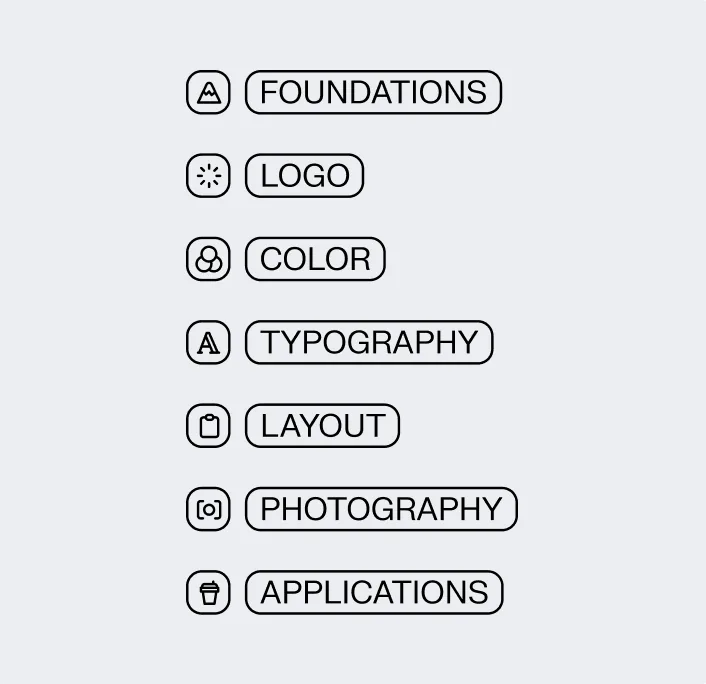
Develop the chosen direction into a complete identity: logo, color, typography, layout, imagery, and applications.
04

Design the website and product look and feel as one digital system, then build a responsive site your team can update on its own.
05

Deliver final guidelines, an asset library, and templates, with a handover that keeps the brand consistent as you grow.
We run a short diagnostic before any creative work — stakeholder interviews, positioning audit, competitive scan, and an honest assessment of current brand equity. Rebranding your business is disruptive; if the answer is "you don't need a full rebrand," we say that. Many companies arrive asking for a rebrand and leave with a scoped refresh that solves the real problem for a fraction of the cost.
A brand refresh updates visual identity while keeping strategy and name intact. A strategic repositioning changes how the company is positioned, messaged, and targeted — visual identity may stay the same. A full rebrand changes all of it, sometimes including the name. We scope engagements across all three, depending on what the business actually needs.
A rebrand starts from $15k for identity and from $25k for identity plus website. Complex rebrands with product UI integration, naming work, or multi-market rollouts cost more. We confirm a fixed quote after a short brief.
Focused rebrands start from 3–4 weeks. Rebrands that add a full website, new naming, regulatory approvals, or complex product UI integration take longer — we fix the timeline in the proposal.
Equity loss is the primary risk of rebranding. We mitigate it through deliberate design decisions — preserving distinctive elements where possible, bridging old and new during transition, and sequencing the rollout so customers aren't hit with disorienting change all at once. Measurement pre- and post-launch tells us whether equity transferred.
Both. Brand-new identities for greenfield companies and rebranding work for established ones are different disciplines with different constraints. Working with a specialist rebranding agency is more complex because you're not starting from zero — existing equity, stakeholder expectations, customer recognition, and internal culture all factor into decisions.
Yes. Post-M&A rebranding is one of our core engagement types. We help decide whether to maintain both brands, consolidate under one, or create something new, then execute the chosen direction across every touchpoint.
Yes. We provide UI direction, design system guidance, and token architecture so the product experience matches the new brand. Marketing rebrand without product UI alignment creates brand inconsistency — visitors see one brand on the website and a different brand inside the product.
Yes. Launch strategy is part of the rebranding engagement. This includes internal announcement sequencing, customer communication templates, press materials, social assets, and coordination across teams. The rollout matters more than the creative work for long-term success.
SaaS, AI, developer tools, fintech, cybersecurity, biotech, health tech, and adjacent tech-enabled businesses. Each vertical has different rebranding constraints — we match approach to industry context rather than apply a generic process.
Both. Early-stage companies typically rebrand because they've outgrown an MVP brand built quickly at seed stage. Established companies rebrand because markets have shifted or business models have evolved. The process differs by stage but the goal is the same — clarity, credibility, and a system that scales.
Yes. Rebrand strategy is where we start every engagement. Positioning audit, competitive analysis, audience definition, and messaging architecture come before any visual exploration. A rebranding agency that begins with creative directions rather than strategy is selling logo redesign under a rebrand label.
Yes. Corporate rebrand work after M&A, leadership changes, strategic pivots, or repositioning against new competitors is one of our core engagement types. Corporate rebrand projects typically run longer and require more stakeholder coordination than startup rebrands — we scope accordingly.
Both. A lot of rebrands start with the website because that's where customers first encounter the brand, but a pure website rebranding agency approach often leaves strategic gaps. We cover positioning, identity, messaging, and website implementation as one engagement — the website is the result, not the scope.
Positioning and identity built around your next goal: funding, hiring, category leadership, or enterprise sales.

Strategy comes first: positioning and messaging are agreed before any design work starts.
Everyone on your project has a Landor, Interbrand, or BBDO background. You work with the team directly, with no account layer in between.

The same senior people stay with your project from kickoff to launch, with no handoffs between phases.
Every Friday we review the week’s work together and agree on the next. Decisions happen daily in Slack. You see progress as it happens, not on delivery day.

Each Friday ends with clear decisions and an agreed plan for the week ahead.
A documented system and workshops for your team, so you can apply, extend, and maintain the brand without us.

New hires can pick up the brand on day one and use it correctly without a designer in the room.