By clicking "Accept all cookies", you agree to storing cookies on your device to enhance site navigation, analyze site usage and assist in our marketing efforts as outlined in our privacy policy.
By clicking 'Accept all cookies', you agree to storing cookies on your device to enhance site navigation, analyze site usage and assist in our marketing efforts as outlined in our privacy policy.
Brand strategy is the foundation on which every subsequent brand decision is built. Without it, visual identity work becomes aesthetic guesswork, messaging becomes inconsistent across the team, and the company ends up with something that looks professional but communicates nothing distinctive. With it, every downstream decision — logo direction, website copy, sales deck structure, product voice — has a reference point that keeps everything coherent.
This guide explains what brand strategy is, how it differs from brand identity and brand guidelines, what its core components are, which frameworks practitioners actually use, and how to build one — whether you're working on it internally or considering bringing in outside help. It's built for founders, marketing leaders, and in-house brand teams who want to understand the discipline before diving into execution.
What Is Brand Strategy?
Brand strategy is the set of deliberate decisions that define what a company stands for, who it serves, how it differentiates from alternatives, and how it consistently presents itself across every context where the brand appears.
That definition covers more ground than most companies realize when they first approach the work. Brand strategy isn't a tagline, a visual direction, or a marketing campaign. It's the strategic layer that precedes all of those — the answer to the question of why the brand makes the specific choices it makes, not just what those choices are.
Brand strategy is not the same as marketing strategy, though the two are frequently confused. Marketing strategy defines how a company reaches and converts its target audience: which channels, which messages, which offers. Brand strategy defines what the company is that marketing is representing. Marketing strategy operates within a timeframe of quarters; brand strategy operates within a timeframe of years. Marketing strategy changes as channels and campaigns evolve; brand strategy changes when the business itself changes.
Brand strategy is not the same as brand identity. Identity — the visual and verbal system of logo, colors, typography, and voice — is the expression of brand strategy. You can't build an identity coherently without the strategy underneath it. The most common expensive mistake in branding is starting with the logo before the strategy is clear.
Brand strategy is not brand guidelines. Guidelines are the maintenance rules for the identity — how to use the logo correctly, which colors apply where, what the voice sounds like in different contexts. They're downstream of both strategy and identity.
When does a startup need brand strategy? Not at the first dollar of revenue, but earlier than most founders think. Pre-fundraise, when the company is trying to articulate its positioning to investors for the first time, the strategy needs to exist even in rough form. Pre-hire, when the company needs to communicate a consistent picture of what it is to attract the right people. Pre-launch, when the website, the sales deck, and the product need to tell the same story. The earlier the strategy exists, the less work it takes to maintain consistency as the company grows. Working with a strategic brand consulting firm in these pre-inflection moments compresses what might be weeks of internal iteration into a focused engagement.
Transform your startup brand and website to match your ambition
Metabrand is a startup branding agency working closely with founders and technology teams to bring ambitious ideas to life and give them the clarity, character, and presence they deserve.
Thank you! Your submission has been received!
Oops! Something went wrong while submitting the form.
Brand Strategy vs Brand Identity vs Brand Guidelines
The three terms describe a sequential dependency — each one builds on the previous — and treating them as interchangeable is how brands end up incoherent.
Brand strategy is the set of decisions that define what the brand is: its positioning in the market, the audience it serves, the differentiation it claims, the personality it expresses, and the architecture that governs how it grows. Brand strategy answers the question "what should this brand be?" — not what it looks like, not what rules govern its use, but what it is and why. This layer is primarily intellectual and strategic, produced through research, competitive analysis, and deliberate choice.
Brand identity is the visual and verbal system that expresses the strategy. The logo and all its variations, the color palette with all its specifications, the typography system, the photography direction, the illustration style, the voice principles, and the key messaging frameworks — all of these are identity. Identity translates the strategy into perceivable form. A positioning that claims "precision and speed" should produce a different visual identity than one that claims "warmth and accessibility." The strategy determines what the identity should communicate; the design work determines how to communicate it. For a detailed treatment of how these relate, visual identity vs brand identity covers the distinction in depth.
Brand guidelines are the documentation that allows a team — internal and external — to maintain the identity consistently over time. Logo clear space rules, minimum size thresholds, color codes for every medium, typography scale, voice do's and don'ts, application examples for common contexts. Guidelines don't make decisions; they record decisions already made through the strategy and identity work, and provide the reference that prevents those decisions from being relitigated every time a new piece of content is produced.
The sequential dependency: strategy must exist before identity work can be done coherently; identity must be complete before guidelines can document it. Starting with guidelines before strategy is finished produces rules without rationale. Starting with identity before strategy is finished produces aesthetics without direction.
Components of Brand Strategy
Brand Purpose, Mission, and Vision
These three terms describe the foundational "why" layer of brand strategy — why the company exists, what it does, and where it's going.
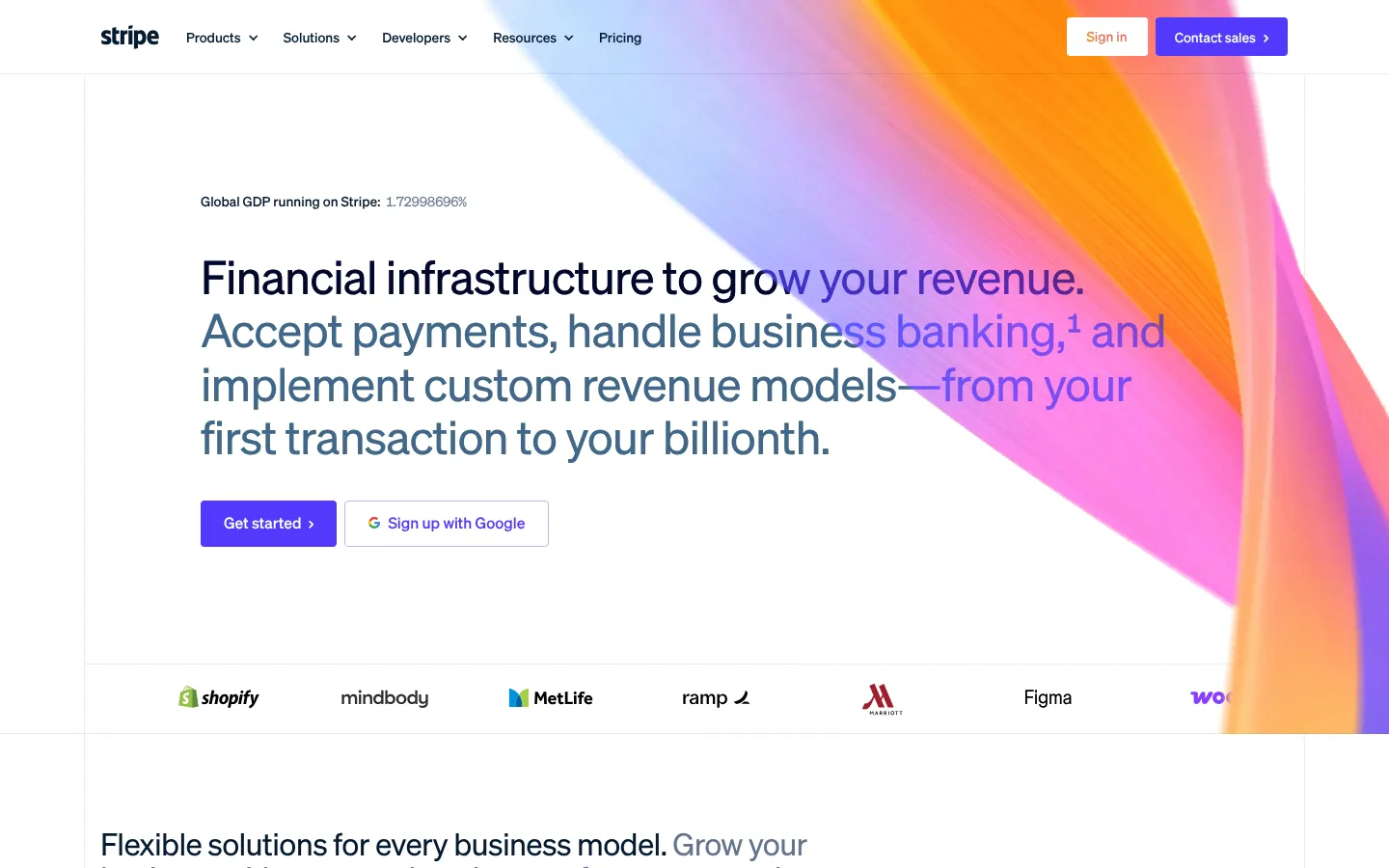
Brand purpose is the reason the company exists beyond making money. It's the answer to "why does the world benefit from this company existing?" Purpose is not aspirational marketing language — it's a genuine answer to a genuine question. Patagonia's purpose is environmental protection. Stripe's purpose is increasing the GDP of the internet.
Mission is the operational expression of purpose: what the company actually does to pursue that purpose. Vision is the future state the company is working toward — what success looks like when the purpose is more fully realized.
For startups, these statements often emerge from founder motivation rather than brand strategy exercises, which is appropriate. The brand strategy work clarifies and sharpens them into language that communicates clearly externally, not just internally.
Audience Definition and Prioritization
Audience definition in brand strategy is not a demographic profile. It's a specific description of who experiences the problem the product solves, in what context, with what consequences — and which segment of that audience the brand should prioritize first.
Most B2B companies have multiple distinct audiences: the economic buyer, the technical evaluator, the daily end-user, the internal champion, and procurement. Each has different priorities, different vocabularies, and different trust signals that matter to them. Trying to serve all of them with the same positioning produces messaging that's relevant to no one in particular.
Audience prioritization — choosing which segment to address first, most directly, and most specifically — is one of the most consequential brand strategy decisions. Brands that prioritize clearly are more distinctive than brands that try to be everything to everyone. The prioritization decision shapes every subsequent element of the strategy.
Positioning Statement and Differentiation
The positioning statement is the most compact expression of the brand strategy. The classic formula: "For [specific audience], [brand] is the [category] that [differentiation] because [proof point]."
Good positioning statements are specific enough to exclude people who aren't the target audience. Stripe's implicit positioning: for developers who need payment infrastructure, Stripe is the API-first solution that handles the complexity of global payments because of its comprehensive documentation and developer-first design. A positioning that could apply to any company in the category is not a positioning — it's a category description.
The differentiation component is where most brand strategy work gets difficult. Genuine differentiation means claiming something specific that competitors either can't claim or don't claim, and that the target audience actually values. "Innovative," "trusted," and "customer-focused" are not differentiation — they're claims every company makes. The brand positioning framework covers how to develop positioning that holds up under competitive pressure.
Brand Personality and Voice
Brand personality is the set of human characteristics that the brand consistently expresses — the answer to "if this brand were a person, how would they behave and communicate?" Personality is important because it guides the subjective decisions that pure logic can't fully resolve: which typeface, which tone, which photography style, which words.
Brand archetype frameworks — the twelve archetypes from Jung adapted for brand use (Hero, Caregiver, Explorer, Creator, Sage, and so on) — are a useful starting point for personality definition, because they provide a shared vocabulary and a set of associations that most people understand intuitively. Linear's archetype is closer to the Magician or Sage — precise, controlled, built for those who know what they want. Notion's leans toward the Creator — playful, open, enabling.
Voice principles translate personality into language guidance: the specific dimensions along which the brand's communication is calibrated. Formal versus casual, technical versus accessible, serious versus playful — and the specific position on each dimension that fits the brand's personality and audience expectations.
Value Proposition and Messaging Hierarchy
The value proposition answers: what does the customer get from this brand that they can't get as easily elsewhere? It typically has functional dimensions (the product does X that alternatives don't, or does Y faster) and emotional dimensions (working with this brand makes the customer feel capable, confident, ahead of the curve).
The messaging hierarchy organizes the value proposition into a structure that the full team can use consistently. The primary message is the most important, most differentiating claim — the one that anchors all other communications. The secondary messages are the supporting reasons to believe the primary claim. The proof points are the specific, verifiable evidence that supports each secondary message.
For B2B companies with multiple stakeholder types, the messaging hierarchy often branches — a primary message that works at the organizational level, with stakeholder-specific emphasis layers for each decision-maker type. The brand messaging system documents these layers and makes them usable across the team.
Brand Architecture for Multi-Product Companies
Brand architecture is the structural decision about how a company's products, services, and sub-brands relate to each other and to the parent brand. Three primary models exist.
The branded house puts everything under a single master brand: Google, Amazon, Apple. Every product launch builds equity in the parent brand. The risk is that any product failure reflects on everything else.
The house of brands treats each product as a distinct brand: Atlassian more loosely manages Jira, Confluence, and Trello as separate brands under a parent umbrella. The advantage is independent audience targeting; the disadvantage is divided brand equity across multiple names.
The endorsed brand model allows products to maintain distinct identities while the parent brand provides a credibility signal: "Slack, a Salesforce company." The parent brand benefits from association with the product's reputation; the product benefits from the parent's credibility in enterprise contexts.
For B2B companies with expanding product lines, this decision becomes critical before launch, not after. Getting architecture right at the strategy stage costs almost nothing; redesigning it after multiple products have been launched and marketed under the wrong structure is a significant undertaking. For companies dealing with multi-stakeholder architecture decisions, the B2B branding agency practice covers these frameworks in the context of complex B2B buying environments.
Competitive Frame and Category Strategy
Category strategy is the decision about which competitive frame the brand chooses to be evaluated within — and occasionally whether to create a new category entirely.
Category fit means competing within an existing, understood category: the brand is evaluated against a set of direct competitors the market already recognizes. The advantage is reduced education cost; the disadvantage is that you're competing on the terms of a category someone else defined.
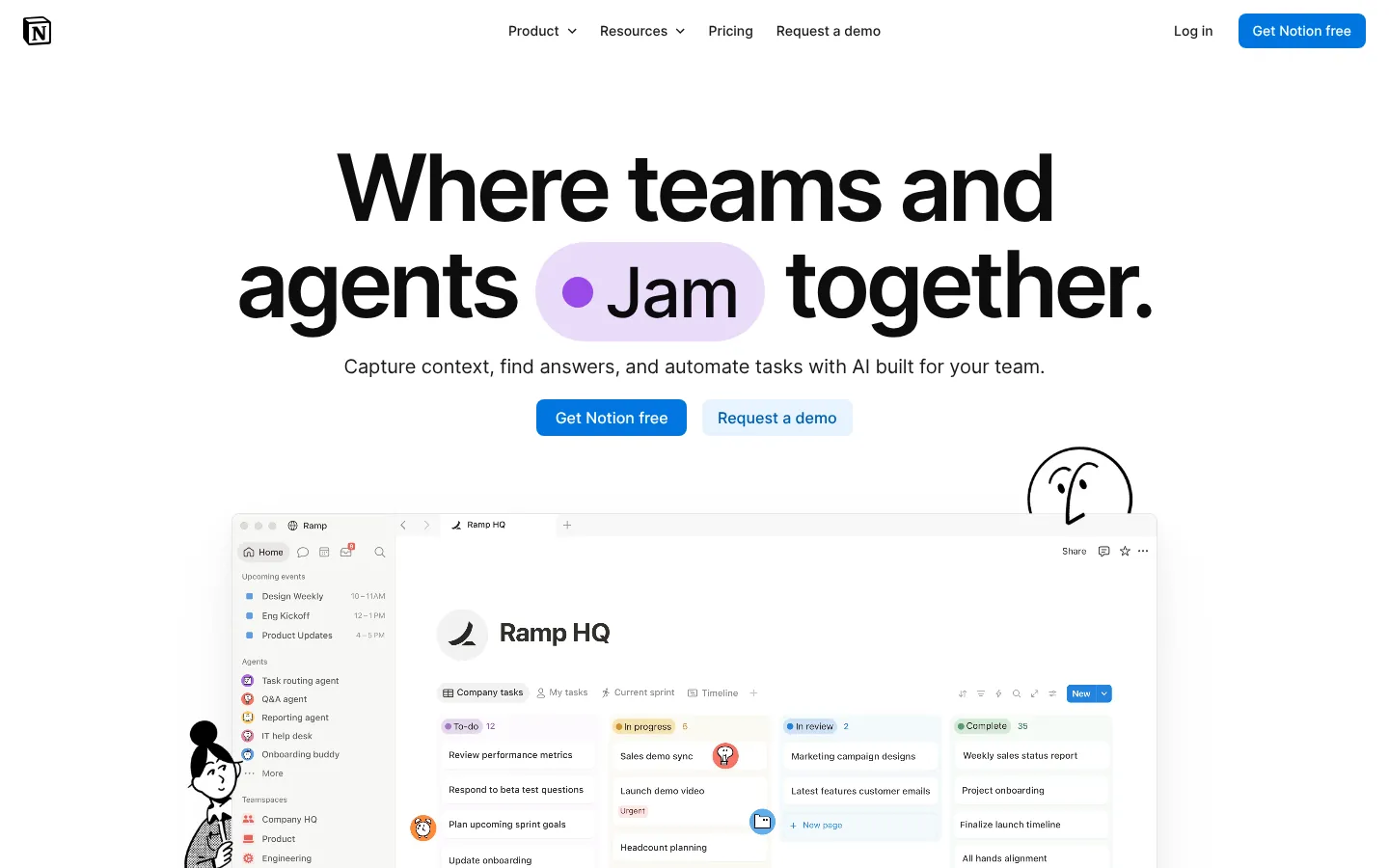
Category creation means arguing that the existing categories are inadequate to describe what your product actually does, and proposing a new frame that your product defines. Salesforce didn't position as "better enterprise software" — it positioned as the first "Software as a Service" company. Notion didn't position as "another note-taking app" — it positioned as "the all-in-one workspace."
Category creation requires more marketing investment and patience than category fit, but when it works it produces durable positioning advantages that are very hard for followers to displace.
The brand pyramid organizes brand elements hierarchically. At the foundation: functional benefits — what the product does at the most basic level. Above that: emotional benefits — how using the product makes the customer feel. Above that: brand values — the principles that guide the company's decisions. Above that: brand personality — the human characteristics of the brand. At the apex: brand essence — the single most compressed articulation of what the brand fundamentally stands for. Building from the foundation upward ensures that essence is rooted in something real, not imposed from above.
Jobs-to-be-Done Framework
Clayton Christensen's JTBD framework applied to brand strategy: customers don't buy products — they hire them to do specific jobs in their lives or work. The job might be functional (process expense reports faster), emotional (feel less anxious about financial compliance), or social (appear competent and organized to my finance team). Understanding which job customers are hiring your brand to do reveals positioning opportunities that feature-level product thinking misses, because the job is often different from the product category the company thinks it's in.
Multi-Stakeholder Positioning Matrix
In B2B contexts, the positioning matrix maps each decision-maker type against their primary concern, their evaluation criterion, and the brand's most credible response. Economic buyer row: concern is ROI and vendor risk; brand response is named customer outcomes and company track record. Technical evaluator row: concern is integration and security; brand response is API documentation and compliance certifications. End-user row: concern is workflow fit; brand response is UI quality and onboarding design. The matrix prevents the common mistake of writing positioning for one audience while ignoring the others who can veto the deal.
Trust Stack Model
Trust in B2B is built in layers across the customer journey. Layer one: category credibility — the brand signals it belongs in the consideration set. Layer two: demonstrated competence — the brand shows it understands the specific problem. Layer three: social proof — comparable organizations have trusted the vendor and gotten results. Layer four: risk mitigation — compliance, security, and contractual assurances. A brand strategy that only addresses some of these layers leaves gaps that surface during procurement review.
Category Design Framework
The Play Bigger framework argues that the most powerful brand strategy is designing the category rather than positioning within someone else's. Category design involves naming a problem in a new way that makes your product the obvious solution, creating the language and frameworks the industry uses to think about the problem, and becoming the company associated with the category you've defined. This is harder than conventional positioning but produces durable competitive advantages that are difficult to replicate.
How to Build a Brand Strategy: Step-by-Step
Step 1: Stakeholder interviews. Conduct structured interviews with founders, key employees, early customers, and where possible, investors who know the business well. The goal is to surface the genuine differentiation the company has built, the language customers use to describe the product's value, and the misalignments between internal self-perception and external market perception.
Step 2: Audit current brand expression. Catalog every touchpoint where the brand currently appears — website, sales materials, product UI, social presence, outbound emails, proposals — and assess the consistency and quality of brand expression at each. The gaps reveal where strategy is most needed.
Step 3: Customer research. Qualitative interviews with current customers who chose the product over alternatives, and ideally with prospects who chose not to. What problem were they solving? What made the decision? What almost made them go elsewhere? Brand positioning survey questions in this context focus on unprompted perception: "How would you describe this product to a colleague?" and "What would you miss if you couldn't use it?"
Step 4: Competitive landscape mapping. Identify the five to ten most direct competitors and map their positioning claims, visual identity approaches, and the audiences they're explicitly targeting. The map reveals where the category is crowded and where there's open space.
Step 5: Define audience priority. Based on the research, choose the primary audience segment the brand will address most specifically. Not the only audience, but the one whose language shapes the positioning, whose trust signals dominate the identity, and whose problems anchor the value proposition.
Step 6: Develop positioning hypotheses. Generate three to five distinct positioning directions — each representing a different strategic interpretation of the research findings. Each direction should be specific enough to differentiate, credible enough to deliver on, and relevant enough to the primary audience to earn attention.
Step 7: Test positioning with customers. Share the directions — in rough language, not polished form — with a small group of target customers and gather their reactions. Which lands? Which feels generic? Which creates a "that's exactly right" response?
Step 8: Refine and document the final positioning. Develop the selected direction into the full positioning platform: positioning statement, value proposition, audience prioritization framework, and competitive differentiation story.
Step 9: Develop verbal identity. Voice principles, tone variations for different contexts, vocabulary do's and don'ts, and key message frameworks. This layer is frequently skipped and produces inconsistent brand expression the moment the team grows beyond the founders.
Step 10: Create the brand strategy document. The complete strategic foundation formatted as a brief for the identity team, the marketing team, and external agencies. This document is the output that makes the strategy durable rather than ephemeral. Working with professional brand strategy services at this stage compresses the process into a structured four to six week engagement and brings in external perspective that founder teams typically can't provide for their own businesses.
Brand Strategy for Startups: Specific Considerations
Startup brand strategy operates under constraints that enterprise brand frameworks don't account for. Budget is limited, the product is evolving faster than any documentation can track, and the team is too small to have dedicated brand ownership.
The timing question is the most common point of confusion. Pre-product-market fit, a comprehensive brand strategy is premature — the positioning will likely need to change as market feedback comes in. But minimal brand strategy — a positioning hypothesis, a target audience definition, and a basic verbal identity — is worth investing in even at seed stage. The test: can every person on the team describe what the company does, who it's for, and why it's different, in the same words? If not, the strategy is incomplete enough to be creating friction.
The most common startup brand strategy mistake is building strategy around the product as it exists today rather than around the problem the company is solving and the audience that has that problem. Strategy anchored to specific product features becomes misaligned every time the product roadmap shifts. Strategy anchored to the problem and the audience is more durable through pivots.
When to hire external help: when the founder has been the primary articulator of the positioning for more than a year and is too close to it to see where it's not landing externally. When the company is preparing for a significant fundraise and needs the positioning to be airtight. When the team has grown beyond ten people and brand inconsistency is visibly affecting sales and recruiting. Internal brand strategy development is possible; external brand strategy support compresses the timeline and brings the comparative context that founders rarely have.
Common Brand Strategy Mistakes
Skipping discovery and jumping to design. The most expensive mistake in brand strategy is starting with the logo before the positioning is clear. Design work done against unclear strategy gets redone. Discovery work done before design pays back in fewer revision cycles and more coherent output.
Positioning for everyone. A positioning broad enough to include all possible buyers is specific enough to attract none of them. The fear of excluding potential customers produces positioning that excludes all of them by saying nothing distinctive. Specificity attracts; breadth repels.
Confusing brand strategy with marketing campaigns. Brand strategy is the foundation that campaigns are built on, not a campaign in itself. Startups that develop a tagline and call it brand strategy have a marketing asset, not a strategic foundation.
Generic positioning. "Trusted partner," "innovative leader," "customer-first" — these claims appear on hundreds of websites and communicate nothing. Brand strategy that produces these outputs hasn't done the work. Real differentiation is specific, defensible, and occasionally uncomfortable in how clearly it says who the brand isn't for.
Treating strategy as a one-time exercise. A brand strategy built at seed stage and never revisited typically becomes misaligned within eighteen months. The product has changed, the market understanding has deepened, the audience has shifted. Strategy should be reviewed whenever significant business changes occur — not annually on a calendar, but whenever the underlying reality it describes has materially changed.
Strategy disconnected from product reality. Positioning that claims things the product doesn't deliver creates a trust deficit with every customer who experiences the gap. Brand strategy has to be anchored in what the product actually does, not what the founding team wishes it did.
Strategy never documented or shared internally. A brand strategy that lives only in the founder's head, or only in a deck that was presented once and then filed, is not a functioning brand strategy. Documentation, distribution, and active use are what convert a strategy exercise into a brand asset.
Brand Strategy Examples
Stripe. Stripe's brand strategy is built on a counterintuitive choice: treating developer documentation as a primary brand asset, not a technical afterthought. The implicit positioning — for developers who need payment infrastructure, Stripe is the API-first solution that makes the complex simple — shaped everything: the website, the copy, the product design, the hiring. The brand strategy preceded and shaped the identity, not the other way around.
stripe.com
Linear. Linear deliberately positioned against the category convention — "project management for engineers who care about quality" — by building a product that looked and worked the way engineers thought software should. The brand strategy includes an explicit exclusion: this is not for everyone, and the design signals that. The polarization is intentional. The SaaS branding agency practice covers how developer-facing SaaS companies approach this kind of targeted differentiation.
linear.app
Airbnb. Airbnb's "Belong Anywhere" strategy shifted the brand from a functional accommodation platform to an emotional proposition about belonging and community. The strategic choice was to compete on emotional positioning — community, belonging, local experience — rather than functional positioning against hotels. The strategy preceded the redesign that expressed it.
airbnb.com
Patagonia. Patagonia's brand strategy is purpose-led in a way that shapes product decisions, not just marketing decisions: the company repairs products rather than encouraging replacement, donates to environmental causes, and has built a brand whose strategy constrains and guides every business decision. The strategy is the business model.
patagonia.com
Notion. Notion's strategy created a category ("all-in-one workspace") rather than competing within the existing note-taking or productivity tool categories. By defining a new category, Notion became the reference point that all followers are measured against — which is the most durable competitive position in brand strategy.
notion.com
HubSpot. HubSpot's brand strategy is content-first: build authority through genuinely useful education, and let the content do the positioning work that advertising would otherwise need to do. The strategy shaped the company's growth model — inbound marketing as both business strategy and brand strategy simultaneously.
When to Hire a Brand Strategy Consultant or Agency
DIY brand strategy works when: the founder has a genuinely clear articulation of the positioning, a small team with shared vocabulary, and enough comparative context to evaluate the positioning against alternatives. It doesn't require an agency to write a positioning statement.
External brand strategy support makes sense when: the founder is too close to the product to see where the positioning isn't landing externally; the competitive landscape is complex enough that mapping it requires dedicated research; the company is preparing for a fundraise or significant growth stage that requires the positioning to be airtight; or the internal team doesn't have the time or comparative context to do the work at the quality the moment requires.
The difference between a brand strategy consultant and an agency: a consultant brings individual senior expertise at lower cost but with limited capacity. An agency brings a team — researcher, strategist, writer — with broader capability to deliver the full strategy plus the identity and implementation work that follows. For most Series A startups, a boutique brand strategy agency is the right combination of senior attention and full-scope capability.
Frequently Asked Questions
What is brand strategy in simple terms?
Brand strategy is the set of decisions that define what a company stands for, who it's for, how it's different from alternatives, and how it consistently communicates that across every context. It's the foundation that design, messaging, and marketing are all built on.
What's the difference between brand strategy and brand identity?
Brand strategy defines what the brand should be — its positioning, audience, differentiation, and personality. Brand identity is the visual and verbal system that expresses that strategy — the logo, colors, typography, voice, and messaging. Strategy comes first; identity executes against it.
What's the difference between brand strategy and marketing strategy?
Brand strategy defines what the company is and how it consistently presents itself — a multi-year foundation. Marketing strategy defines how the company reaches and converts its target audience through specific channels and campaigns — a quarterly operational plan. Marketing strategy operates within the positioning that brand strategy defines.
How much does brand strategy cost?
Professional brand strategy engagements typically run $25,000 to $80,000 for a focused scope. Discovery, positioning, brand architecture, and verbal identity as a standalone strategy engagement is toward the lower end. Comprehensive work that includes messaging frameworks and handoff documentation for an identity team is toward the higher end.
How long does brand strategy take to develop?
A focused brand strategy engagement takes four to six weeks with an external agency. Internal strategy development, without the structure and comparative context an agency brings, typically takes longer and produces less refined output. The timeline depends on stakeholder availability for interviews and workshops more than on the inherent complexity of the work.
Do startups need brand strategy?
Yes — calibrated to stage. Pre-product-market fit, a positioning hypothesis and basic verbal identity are worth developing. A comprehensive brand architecture is premature. From Series A onward, the case for full brand strategy is clear: the brand is doing meaningful work in sales, recruiting, and investor contexts, and inconsistency is expensive.
What does a brand strategist do?
A brand strategist conducts research (stakeholder interviews, competitive analysis, customer research), identifies genuine differentiation, develops positioning hypotheses, tests them, and documents the final platform in a form that guides identity and messaging work. The role sits between business strategy and creative execution.
What's the difference between a brand strategy consultant and agency?
A consultant brings individual expertise at lower cost but limited capacity — typically able to deliver strategy documentation but not the identity and implementation work that follows. An agency brings a team with broader capability to deliver strategy through execution, under one brief and with continuity across the full engagement.
How do you measure brand strategy success?
Brand strategy success shows in downstream metrics over time: inbound lead quality, enterprise deal velocity, brand search volume growth, messaging consistency across the team, offer acceptance rates for key hires, and the quality of coverage in relevant media. More immediately: does the team use the strategy document to make real decisions?
When should you update or refresh brand strategy?
When the business reality the strategy describes has materially changed: the product has pivoted, the target audience has shifted, the company has moved upmarket or into a new category, or a merger or leadership change has altered the company's direction. Strategy should be reviewed whenever the gap between "what the strategy describes" and "what the company actually is" becomes large enough to create friction.
Build the Foundation Before the Creative Work
The most common brand mistake is starting with design before strategy is clear. Four to six weeks of strategy work prevents months of confused positioning and redesign. If you're at a stage where getting the foundation right matters, our brand strategy agency practice covers the full scope from discovery through handoff.
Dmitry Komissarov
Founder
Brand and Website from 3–4 weeks
Metabrand is a startup branding agency working closely with founders and technology teams to bring ambitious ideas to life and give them the clarity, character, and presence they deserve.
Thank you! Your submission has been received!
Oops! Something went wrong while submitting the form.
Learn More
Next Reads for Visionary Founders. Still Curious? Dive Deeper.