By clicking "Accept all cookies", you agree to storing cookies on your device to enhance site navigation, analyze site usage and assist in our marketing efforts as outlined in our privacy policy.
By clicking 'Accept all cookies', you agree to storing cookies on your device to enhance site navigation, analyze site usage and assist in our marketing efforts as outlined in our privacy policy.
Why do companies rebrand? It's not a cosmetic decision. Rebranding is expensive, disruptive, and risky — so when businesses choose to do it, there's almost always a serious business reason underneath. The companies that get it right aren't chasing trends or acting on leadership preference. They're responding to a specific change in their business reality: a new strategy, a new market, a new audience, or a brand that's become a liability rather than an asset.
This article breaks down the seven core reasons why companies rebrand, with real examples for each, a look at recent rebrands from 2024 to 2026, and an honest section on when rebranding is the wrong call entirely.
Why Rebranding Is Important for Business Growth
Brand equity isn't static. The associations customers hold about a company — who it's for, what it stands for, why it matters — form over time and shift whether you manage them or not. Rebranding as a strategic practice is how businesses take control of that shift rather than being defined by it.
The argument for why rebranding is important starts with a simple observation: companies evolve faster than their brands do. A business that launched as a tool for freelancers and now serves enterprise teams is operating with a fundamental mismatch if the brand still reads as scrappy and accessible when it needs to read as credible and scalable. That mismatch creates friction — in sales conversations, in recruitment, in investor meetings, in the market's assessment of where the company belongs.
Rebranding is important because it's the mechanism for closing that gap. Not by changing who the company is, but by aligning how it presents itself with who it has actually become.
There's also a competitive dimension. Markets don't stand still. Category leaders rebrand to defend their position. Challengers rebrand to claim territory. Companies in crowded categories rebrand to differentiate when everything has converged. A brand that was distinctive five years ago may be generic today — not because the company changed, but because the market caught up.
Why rebranding is important isn't a universal truth, though. A strong brand with genuine equity doesn't need to be touched. The businesses that benefit most from rebranding are the ones where the current identity is creating a measurable problem: wrong audience, wrong perception, wrong category associations. When none of those are true, the case for rebranding weakens considerably. Understanding when to hire a rebranding agency versus handling an identity update internally is part of scoping that question properly.
7 Reasons Why Companies Rebrand
1. Business model or strategy shift
When the underlying business changes direction, the brand eventually has to follow. A company that was built around one product and has become a platform, or one that served consumers and has pivoted to B2B, will find that the original brand anchors it in the wrong place. The rebrand signals to the market that the story has changed — not just the product.
Example: Facebook's 2021 rebrand to Meta is the most visible recent case of this. The company wasn't abandoning its social network; it was separating the corporate identity from a single product to signal a strategic commitment to the metaverse and a broader technology portfolio. The parent entity needed a brand that didn't reduce it to one platform.
meta.com
2. Mergers, acquisitions, or spin-offs
Post-M&A rebranding is among the most structurally necessary forms of the work. Two companies combining brings two identities into conflict. One absorbs the other, both transition to something new, or — as happens more often than it should — neither decision gets made cleanly and the result is brand confusion that costs both companies.
Example: Warner Bros. Discovery's handling of its streaming identity illustrates the risks of indecision. HBO Max became Max in 2023 to accommodate Discovery content alongside HBO's premium programming. The rebrand confused subscribers about what the platform was, diluted HBO's considerable brand equity, and was partially reversed in 2024 when the company reintroduced "HBO" to the product name. It's a useful case study in what happens when a rebrand serves an internal organizational rationale without adequately accounting for customer perception.
hbomax.com
3. Outgrowing the original audience
Companies are often founded with a specific early adopter in mind, and the brand reflects that: informal, accessible, priced for small teams, communicated in language that resonates with the founding audience. When the business scales into larger organizations or a different buyer profile, that original brand becomes a liability in the new context.
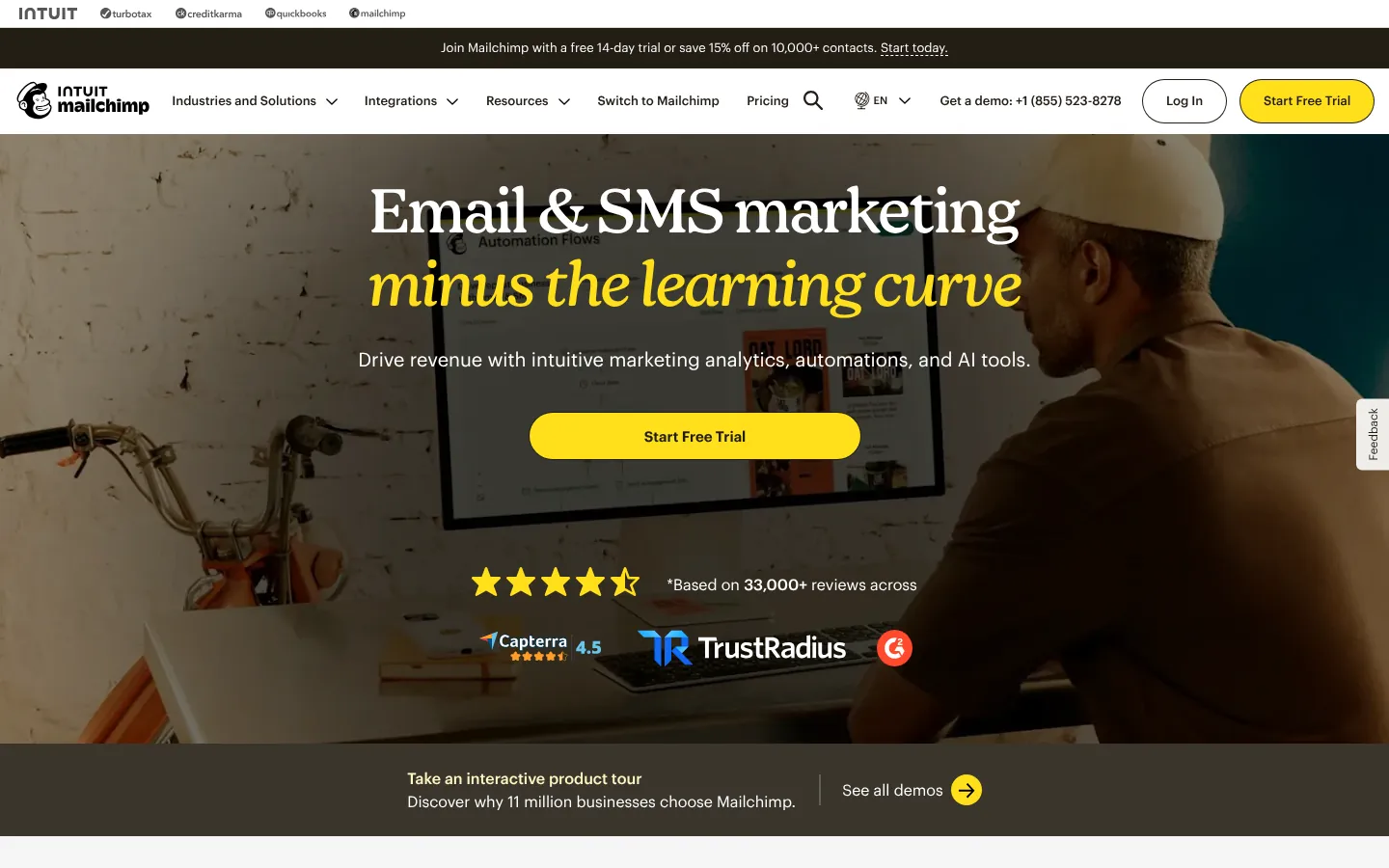
Example: Mailchimp's evolution across multiple brand updates — most significantly in 2018 and again in 2021 — tracks its expansion from a small business email tool to an all-in-one marketing platform for growing companies. Each rebrand reflected a genuine shift in who the product was for and what it could do. The name stayed; nearly everything else evolved.
mailchimp.com
4. Moving into new markets or categories
A brand built around a specific product or service category can limit a company's ability to grow beyond it. The name implies a scope the business has outgrown, or the visual identity carries associations that don't translate to the new category. Why rebrand in this case? Because the existing brand is actively working against the expansion.
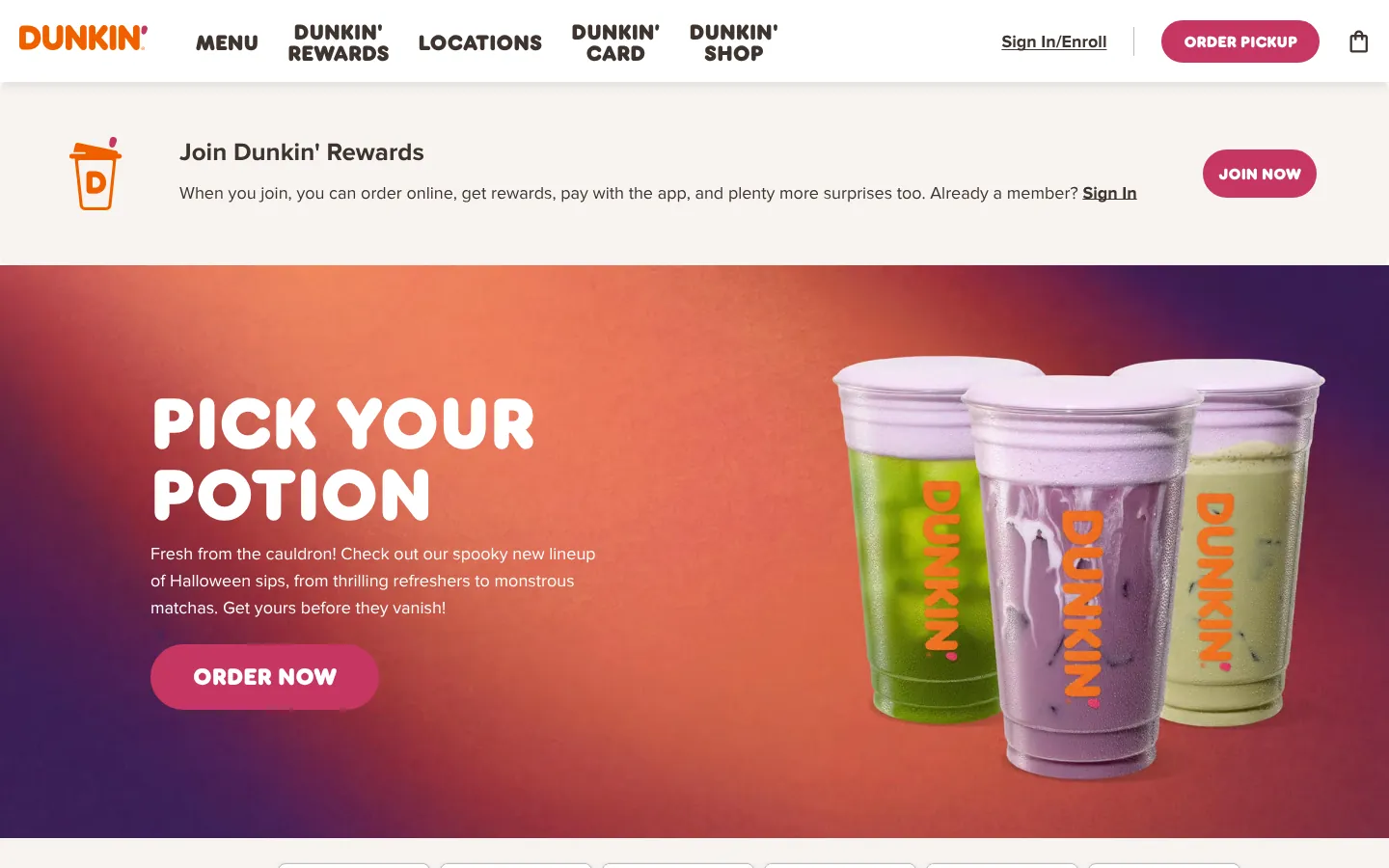
Example: Dunkin' Donuts dropping "Donuts" from its name in 2019 is the clearest recent illustration. The word "Donuts" constrained the brand to a product category the company had long since moved beyond. The rename to Dunkin' enabled a broader food-and-beverage positioning without abandoning the equity in the existing name and visual identity.
dunkindonuts.com
5. Reputation recovery after a crisis
Rebranding after a significant public failure or reputational event can signal genuine change — but only if the business has actually changed. A cosmetic rebrand over an unchanged organization is quickly recognized and punished. The companies that rebrand successfully after a crisis are the ones where the external identity change reflects internal transformation.
Example: Several fintech and crypto companies undertook identity pivots following the regulatory and reputational pressure of 2022 to 2024. The pattern: distance the corporate entity from a damaged product or trading identity, relaunch under a cleaner brand with a clearer compliance posture. The credibility of those moves depended on whether the underlying operations had genuinely changed, which varied considerably by company.
6. Updating an outdated visual identity
Sometimes the reason to rebrand is simply that the existing identity is no longer competitive in the contexts where it needs to perform: digital interfaces, small-screen formats, high-contrast environments. This is the most contained reason to rebrand, and it often resolves as a brand refresh rather than a full rebrand. But when the visual identity is dated enough to undermine credibility, updating it becomes a business priority.
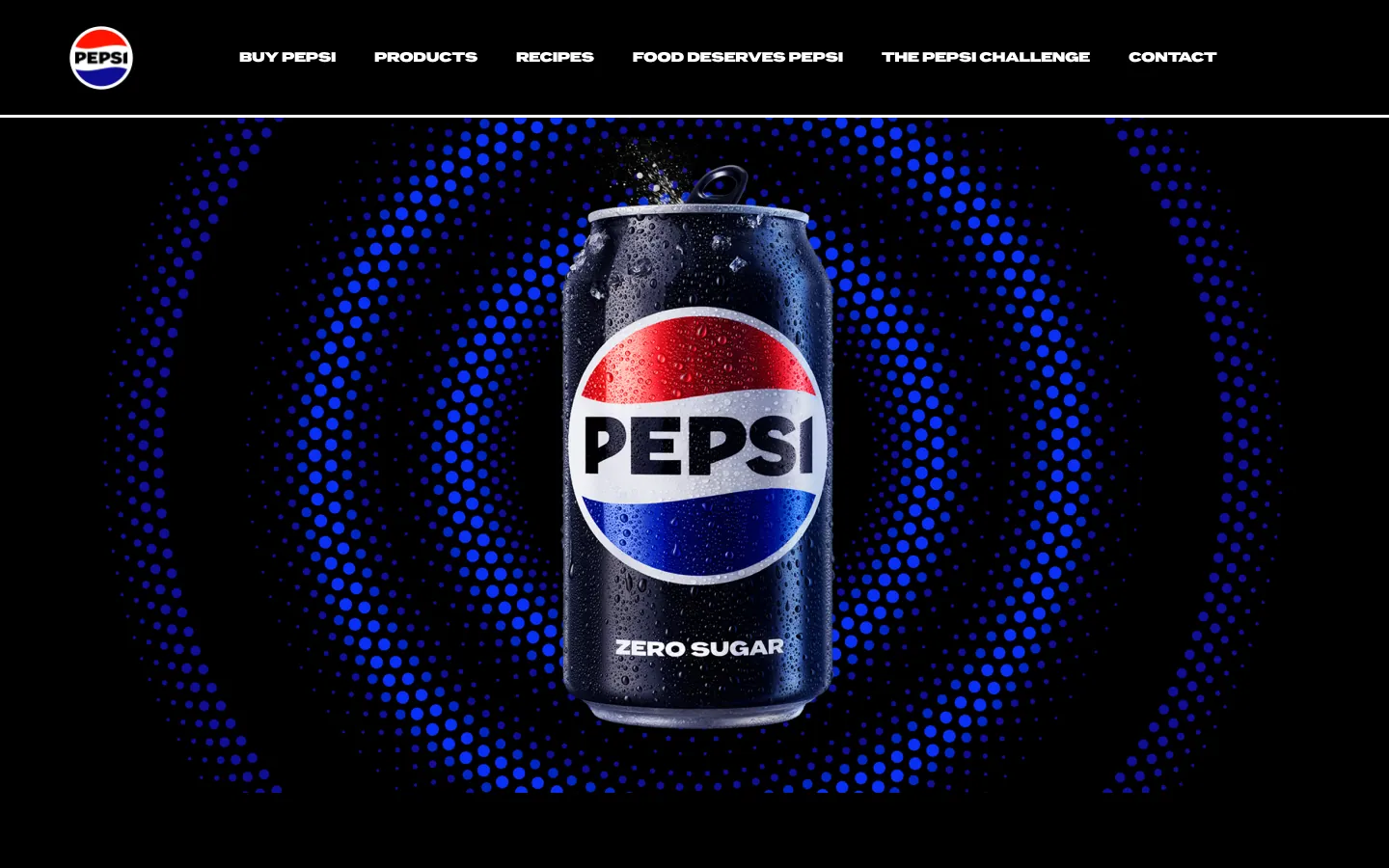
Example: Pepsi's 2023 visual identity update modernized a logo that had accumulated design layers over decades. The refresh simplified the mark, updated the typography, and optimized for digital contexts. It's a good example of visual identity work that addressed a real functional problem without repositioning the brand or changing its strategic story. Burger King's 2021 nostalgic refresh accomplished something similar through a different direction entirely.
pepsi.com
7. New leadership or ownership
Leadership transitions, founder exits, and ownership changes create natural inflection points for brand review. A new CEO or new owner often inherits a brand that reflects the predecessor's vision, and the rebrand becomes a way of establishing strategic ownership of where the company is going.
Example: Twitter's transformation into X under Elon Musk's ownership in 2023 is the most extreme version of this: a complete name change, logo replacement, and repositioning as an "everything app" rather than a social media platform. It discarded significant brand equity in one of the most recognized names in tech — whether that trade was worth it depends on the strategy it was intended to serve, which remains contested.
x.com
Recent Rebrands Worth Watching
The following recent rebrands from 2024 to 2026 illustrate the range of reasons companies rebrand and what the outcomes look like. For deeper analysis of agency rebrands that reshaped their industries, the dedicated cases page covers the landmark examples in more depth.
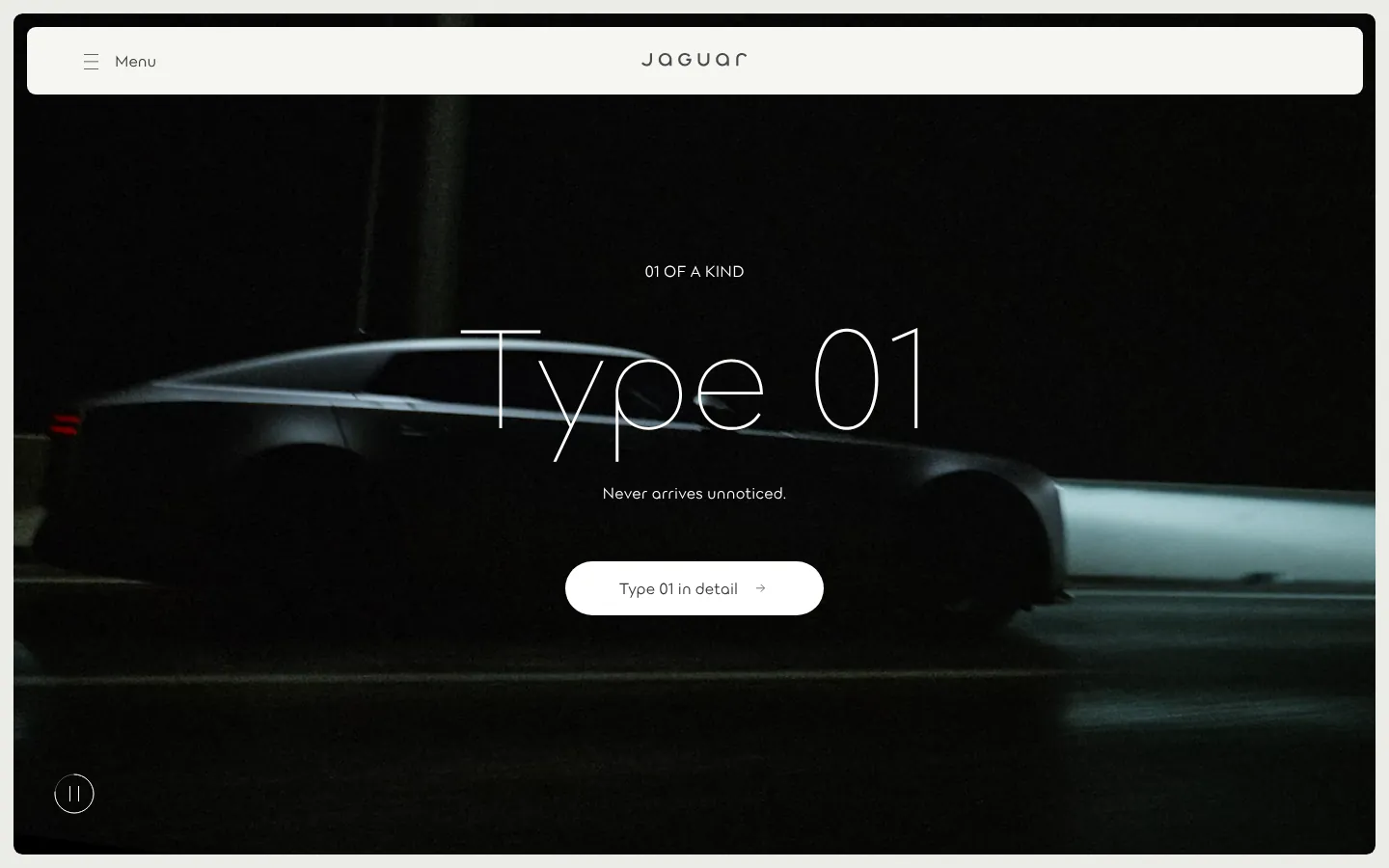
Jaguar (2024). Jaguar's rebrand was among the most discussed of the year. The company dropped its existing visual identity in favor of a stripped-back, luxury-fashion-adjacent aesthetic ahead of its full transition to electric vehicles. The reaction was divided: some read it as a credible repositioning toward a premium EV audience; others saw the removal of heritage visual cues as unnecessary brand destruction. The full judgment awaits the product launches the rebrand is intended to support.
jaguar.com
Kia (ongoing evolution, 2021-2024). Kia's logo redesign in 2021 and the sustained brand evolution through 2024 has consistently been cited as a case where a rebrand preceded and then supported genuine product improvement. The new identity signaled a move upmarket before the products fully delivered on it — and when they did, the brand was already positioned correctly.
kia.com
Several AI-era SaaS rebrands (2024-2025). A wave of B2B software companies rebranded in 2024 and 2025 to incorporate AI positioning into their identity. The pattern: companies that had been point solutions rebranded around "intelligence" or "AI-native" narratives. The quality of these rebrands varied significantly. The ones that worked had genuine product changes to back the new positioning. The ones that didn't looked like AI-washing — a reminder that a rebrand accelerates perception in the direction the product is already moving, but can't substitute for the underlying change.
BP's ongoing identity work (2024). Energy companies navigating the transition from fossil fuel identities to broader energy portfolios have been a consistent source of high-stakes corporate rebranding. BP's continued identity evolution reflects the tension between legacy brand equity and the need to signal genuine strategic change in a skeptical environment.
bp.com
How Long the Rebranding Process Takes
Rebranding timeline estimates are often optimistic. Here's a realistic range based on scope.
Visual refresh: 6 to 12 weeks. A contained update to the visual identity — logo refinement, updated color palette, modernized typography — within an unchanged strategic framework. This is the fastest form of brand work and the most predictable to scope.
Strategic rebrand: 4 to 9 months. A rebrand that involves repositioning work alongside identity development. The strategy phase takes time to do correctly, and there are more rounds of stakeholder input. Four months is possible for a focused company with clear decision-making. Nine months is realistic for organizations with complex internal approval processes.
Full rebrand with new name: 6 to 12 months. Adding a name change extends the timeline significantly — legal clearance, trademark searches across relevant markets, a more extensive rollout plan, and a more substantial customer communication effort. The back end of this range applies to companies with large asset inventories, multiple geographies, or product names that also need to change.
What extends timelines beyond these ranges: internal stakeholder misalignment, scope changes after the project starts, approval processes that weren't factored into the original plan, and underinvestment in the rollout phase. Rebranding is a project that expands into available time and budget if the scope isn't held deliberately.
When Rebranding Is a Bad Idea
Not every impulse to rebrand is worth following. A brand refresh might be enough in situations where the strategy is sound and only the execution needs updating. But there are four situations where rebranding is a bad idea regardless of scope.
The existing brand equity is genuinely strong. If customers recognize you, trust you, and associate you with the right things, a rebrand risks destroying real value in exchange for a problem you don't actually have. Audit before you assume the brand is the issue.
You rebranded recently. Brand perception takes time to form and time to shift. A rebrand that follows the last one by less than three years signals instability rather than confidence. It also tells the market that the first rebrand didn't resolve whatever prompted it. Rebranding for startups covers this dynamic in more depth — early-stage companies are the most prone to premature rebrand cycles.
The budget doesn't support a complete rollout. A partial rebrand — new website, old everything else — is worse than no rebrand. If the identity can't be updated consistently across all touchpoints, the rebrand creates fragmentation rather than clarity. Better to wait until the investment can be executed properly.
Leadership boredom isn't a business reason. We've seen this more than once: a new executive team wants the brand to reflect their tenure, or founders who've built a successful company want a more sophisticated identity to match their current self-perception. Those are understandable impulses, not business rationales. If there's no external friction the rebrand is solving, there's no justification for the disruption and cost.
What Happens After a Rebrand
The launch is not the finish line. What follows a rebrand matters as much as the rebrand itself.
The first three months are an adoption period. The market is encountering the new identity for the first time; the internal team is learning to apply it correctly; there will be inconsistencies, questions, and occasionally negative reactions. This is normal. The measurement question for this period is execution quality, not market response.
By six months, the first meaningful signals emerge. Sales conversion rates, inbound lead quality, Net Promoter Score data, share of voice in relevant searches — these begin to reflect the rebrand's effect, though it's still early. Brand perception research against a pre-rebrand baseline is the most direct measure if you commissioned it.
Full brand perception shifts take 12 to 24 months. The rebrand sets a new direction; consistent execution in that direction over time is what moves the needle. Companies that rebrand and then revert to old messaging patterns, old design habits, or old brand behaviors undermine the work. The identity has to be lived, not just launched.
A rebrand that succeeds commercially does two things: it removes friction between how the company is perceived and how it wants to be positioned, and it creates a clearer internal reference point for decisions. The second effect is often underrated. A team that agrees on what the brand stands for makes better decisions faster.
Frequently Asked Questions
Why do companies rebrand?Companies rebrand because the existing brand no longer accurately represents who they are, who they serve, or where they're competing. The most common triggers are strategic shifts, M&A activity, audience evolution, category moves, and outdated visual identity. Rebranding is a response to a business change, not the change itself.
Why is rebranding important?Rebranding is important because brand equity isn't permanent. Markets evolve, companies grow, and the associations built around a brand either support or limit what the business can do next. When the brand has become a constraint — on growth, on perception, on competitive positioning — rebranding is how businesses remove that constraint.
Is rebranding a good idea for small businesses?Sometimes. A small business that has genuinely outgrown its brand or is targeting a new audience has a legitimate case for rebranding. A small business that's rebranding because the owner is tired of the logo does not. The decision should be driven by a real external problem, not internal preference. Budget constraints also matter: a partial rebrand that can't be rolled out consistently creates more problems than it solves.
How long does a rebrand take?A visual refresh takes 6 to 12 weeks. A strategic rebrand takes 4 to 9 months. A full rebrand including a name change takes 6 to 12 months. What drives the variance is scope, stakeholder complexity, and rollout size.
How much does rebranding cost on average?Costs range from around $15,000 for a contained brand refresh to $150,000 and above for a comprehensive strategic rebrand with full identity system and rollout. The range is wide because scope varies significantly. For a more detailed branding cost breakdown by project type, the full guide covers what drives price at each level.
What happens if a rebrand fails?Rebrand failures typically fall into two categories: execution failures (inconsistent rollout, poor internal adoption, budget shortfall mid-project) and strategic failures (wrong diagnosis of what needed to change, rebrand without substance behind it). Execution failures can often be recovered from with time and discipline. Strategic failures — particularly where significant brand equity was discarded for no clear gain — are harder to reverse and more expensive to correct.
Rebranding as a growth lever
When rebranding is part of a growth strategy, measurement becomes non-negotiable — brand recall, pipeline impact, pricing power. We build that into the engagement, not after.
Metabrand is a startup branding agency working closely with founders and technology teams to bring ambitious ideas to life and give them the clarity, character, and presence they deserve.
Thank you! Your submission has been received!
Oops! Something went wrong while submitting the form.
Learn More
Next Reads for Visionary Founders. Still Curious? Dive Deeper.