By clicking "Accept all cookies", you agree to storing cookies on your device to enhance site navigation, analyze site usage and assist in our marketing efforts as outlined in our privacy policy.
By clicking 'Accept all cookies', you agree to storing cookies on your device to enhance site navigation, analyze site usage and assist in our marketing efforts as outlined in our privacy policy.
A brand bible is a comprehensive document that codifies every rule about how a brand should look, sound, and behave in any context. Unlike a basic logo file or a short brand guidelines PDF, a brand bible is the single source of truth that lets any team member, external agency, or freelance partner apply the brand correctly without needing to ask the founders. It covers visual identity, verbal identity, strategy, application examples, and the rationale behind every decision. This guide covers what a brand bible is, how it differs from brand guidelines and style guides, what its core components are, and how successful companies structure theirs — with real examples from companies that have done it well.
What Is a Brand Bible?
A brand bible is the most comprehensive form of brand documentation a company can produce. At its simplest: a brand bible is a complete reference document that answers, definitively, every question about how the brand should be used. Not just "here's the logo" — but why that logo, what it means, how to use it in every context, what to do when there's no exact rule to follow, and how the brand's visual and verbal choices connect to its underlying strategy.
The name reflects the intended function. A bible is a source of truth — the reference you go back to when a question arises that your intuition doesn't resolve. In the brand context, the equivalent question might be: "Can we use the secondary color as a background here?" or "Should our error messages sound apologetic or matter-of-fact?" A brand bible has answers to both.
Standard logo guidelines — a two-page PDF showing the logo in its approved variations — are a subset of a brand bible, not a substitute for one. Logo guidelines cover one element of the brand identity. A brand bible covers the full system: strategy, identity, voice, photography, motion, applications, and edge cases.
Who uses a brand bible in practice: internal marketing and design teams (to apply the brand consistently in new contexts), external agencies (to produce work that holds up without constant revision cycles), freelancers and contractors (to avoid learning the brand from scratch or guessing), and partners who need to represent the brand in co-marketing or licensing contexts.
The question of whether a company needs a brand bible or lighter guidelines depends on how many people are applying the brand, how often external partners are involved, and how consequential inconsistency is. A six-person startup with a shared visual sensibility and one designer probably doesn't need a hundred-page brand bible. A forty-person company working with three agencies and a dozen freelancers almost certainly does. Developing a strong startup branding guide foundation first makes the brand bible creation significantly faster.
Five elements of strong positioning. Diagram by Metabrand
Brand Bible vs Brand Guidelines vs Style Guide
These three terms get used interchangeably in most conversations, and the confusion is understandable — they overlap significantly. But they're distinct documents with different scopes, and knowing which one you need prevents over-building or under-building.
Brand guidelines are typically a practical working document of ten to twenty-five pages covering the core rules of the visual identity: logo usage and variations, primary and secondary color palettes, typography hierarchy, and basic usage rules. Some include a short voice and tone section. Brand guidelines are the everyday reference for design and content work — comprehensive enough to ensure consistency on common tasks, light enough to actually be used.
Style guide is used in two distinct senses. In publishing and editorial contexts, a style guide covers writing rules: grammar conventions, punctuation choices, capitalization standards, preferred terminology. The Chicago Manual of Style and AP Stylebook are style guides in this sense. In design contexts, "style guide" is often used interchangeably with "brand guidelines" to mean the visual rules document. The ambiguity creates confusion — when someone says "style guide," it's worth clarifying which meaning they intend. For a comprehensive comparison of how these terms overlap and diverge, the brand positioning framework and related guides cover how strategy connects to each document type.
Brand bible is the most comprehensive version — typically fifty to one hundred fifty pages or more for larger organizations. It includes everything in the brand guidelines and style guide, plus brand strategy and positioning, detailed voice and tone with contextual examples, photography and imagery direction, iconography and graphic element systems, motion and animation guidelines for digital brands, application examples across every relevant surface, and often the brand's history and evolution rationale. A brand bible provides the rationale for decisions, not just the rules — which means it can guide judgment calls in situations the document didn't specifically anticipate.
The practical decision rule: if all brand work is done by a small internal team who were present during the brand's creation, brand guidelines are probably sufficient. If brand work regularly involves external partners, or if the team has grown beyond the people who built the brand originally, a more comprehensive brand bible is worth the investment.
Transform your startup brand and website to match your ambition
Metabrand is a startup branding agency working closely with founders and technology teams to bring ambitious ideas to life and give them the clarity, character, and presence they deserve.
Thank you! Your submission has been received!
Oops! Something went wrong while submitting the form.
The strategic foundation section of a brand bible defines why the brand looks and sounds the way it does. It typically covers mission and vision statements, brand values (with definitions, not just labels), the positioning statement (who the brand serves, what it does for them, and why it's differentiated), target audience profiles, brand personality (often expressed as a set of characteristics on spectrums — e.g., "confident but not arrogant, technical but accessible"), and sometimes brand archetype frameworks. This section is not decoration — it's the rationale that makes all downstream visual and verbal rules coherent. Without it, the brand bible is a rule book without a reason, and rules without reasons don't survive contact with edge cases.
Logo System and Usage Rules
The logo section is typically the most detailed in any brand bible, and for good reason: logo misapplication is the most visible form of brand inconsistency. A comprehensive logo section covers the primary logo, all approved variations (horizontal, stacked, mark-only, wordmark-only), clear space requirements, minimum size thresholds for different contexts, approved color combinations and background treatments, co-branding rules, and explicit misuse examples showing what not to do. The misuse section is often more valuable than the usage rules — it prevents the specific mistakes that keep occurring in practice. For the process of building this section and others, how to build comprehensive brand guidelines covers the step-by-step approach.
Color Palette
The color section specifies every approved color across the full palette — primary, secondary, and neutral — with exact values for every medium: HEX for digital, RGB for screen, CMYK for print, and Pantone for physical production where color accuracy is critical. Beyond specifications, the color section establishes the usage hierarchy: which colors are the primary brand colors used in most applications, which secondary colors expand the system for supporting contexts, and how the colors interact with each other in recommended combinations. For digital-first brands, this section also covers dark mode variants and accessibility requirements — specifically WCAG AA contrast ratios for text and interactive elements, which are non-negotiable for products used in enterprise contexts.
Typography System
The typography section covers typefaces and how to use them. Primary and secondary typefaces, fallback stacks for web contexts where custom fonts may not load, the full type scale from display headers through body text, approved font weights, line height and spacing specifications, and the hierarchy rules for when to use which level. A well-constructed typography section also includes contextual examples — what a blog article header looks like, what a marketing email looks like, what a product UI label looks like — because abstract type scales don't communicate as effectively as applied examples. For brands using custom or licensed typefaces, the section also covers licensing scope and where the fonts can be used.
Photography and Imagery Direction
Photography brand guidelines are one of the most frequently underbuilt sections in brand bibles, and one of the most consequential omissions. Photos are applied at higher volume than almost any other brand element — across social media, blog content, advertising, and editorial — which means photography inconsistency multiplies quickly. Brand guidelines photography direction covers photographic style in concrete terms: lighting approach (natural versus studio, hard versus soft, direction), composition preferences (documentary candid, editorial environmental portraits, product-focused), color treatment (warm, cool, neutral, desaturated), subject matter (what kinds of people, settings, and activities are on-brand), and post-processing style (whether editing is minimal and natural, or stylized with specific color grading). Without photography brand guidelines, a brand can maintain perfect logo and typography consistency while fragmenting completely through its image choices. Stock photography direction — specifically what kinds of stock images are acceptable and what categories to avoid — is also worth including, because the gap between brand-aligned and off-brand stock is significant.
Iconography and Graphic Elements
The icon and graphic elements section establishes the visual system for supporting design assets. For icons: the style (outline versus filled, stroke weight, corner radius consistency), the grid and sizing system, and the scope of approved icons. For brands with custom illustration systems, this section covers illustration style and constraints. Supporting graphic elements — patterns, textures, geometric forms, background shapes — are documented here with their approved uses and the contexts where they're appropriate versus where they'd be overuse. Consistency in these supporting elements is what distinguishes a brand that feels coherent from one that feels assembled from parts.
Voice and Tone
The voice section defines how the brand communicates in language — across marketing copy, product copy, customer support, social media, and documentation. Voice refers to the consistent personality that comes through regardless of context; tone refers to the adjustments made for different situations (the same voice can be warmer in a welcome email than in a billing notification, without becoming a different voice). A useful voice section goes beyond adjective lists — "friendly, confident, clear" — to provide examples of on-brand and off-brand language in realistic scenarios. Vocabulary do's and don'ts (words and phrases the brand uses, and those it avoids), sentence structure preferences, and formality calibration all belong here. The more specific this section is, the more useful it is for anyone writing brand copy without direct involvement from the original brand team.
Application Examples
Application examples show how the brand works in the real world — not as isolated elements but as assembled compositions. Business cards, letterhead, email signatures, social media post templates, presentation deck templates, product UI (for digital companies), conference and event materials, merchandise, and signage where relevant. These examples serve two purposes: they demonstrate that the brand system works in practice and give designers concrete references to align to rather than constructing applications from scratch. Application examples also surface problems in the brand system — a color that looks wrong at print scale, a typeface that breaks at certain sizes — that abstract guidelines documents miss.
Motion and Animation Guidelines
For digital-first brands, motion is a brand surface as real as color or typography — and one that most brand bibles still treat as optional. Motion guidelines cover the animation principles the brand follows: timing curves (ease-in, ease-out, spring), standard duration ranges for different animation types, how the logo can and cannot animate, transition styles for interfaces and marketing contexts, and examples of appropriate versus inappropriate motion. As video content, animated social assets, and interactive web experiences have become central to brand expression, a brand bible without motion guidelines is incomplete for any company with significant digital output.
Brand Bible Examples from Successful Companies
Airbnb. Airbnb's brand documentation — internally called the Design Language System — is notable for how cleanly it separates brand expression by surface. Marketing brand and product brand are documented with their own rules and application logic, while maintaining coherence at the parent level. The system demonstrates how a brand bible can govern both the consumer-facing marketing identity and the product interface without creating conflict between them.
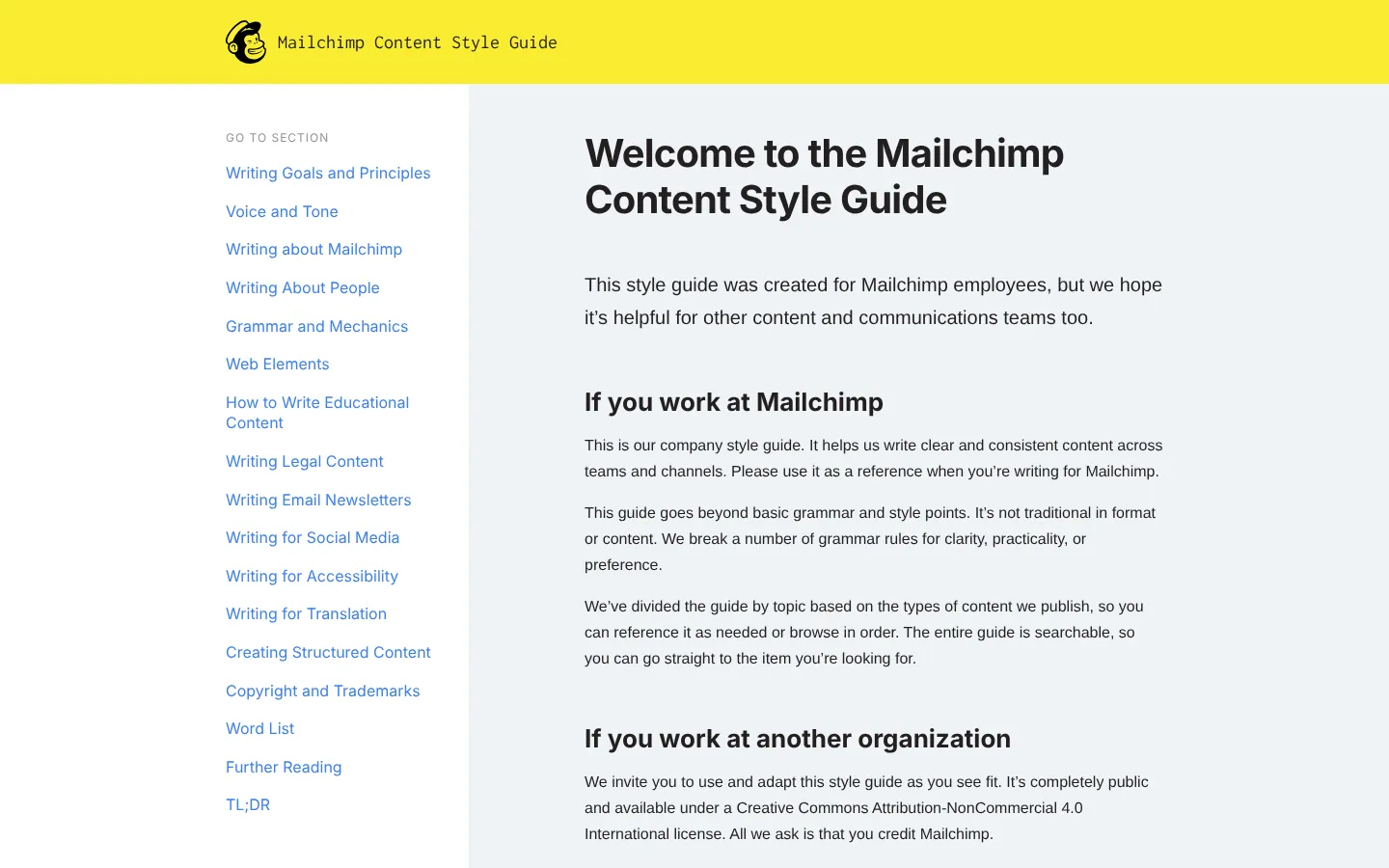
Mailchimp (Intuit Mailchimp). Mailchimp's Content Style Guide became a reference document for the industry because it made voice principles concrete and memorable. The voice characteristics — "Offbeat but not silly," "Confident but not arrogant" — were paired with specific examples showing what each principle looks like in practice, not just what it means in theory. The guide was made publicly available, which is partly why it became so widely cited.
styleguide.mailchimp.com
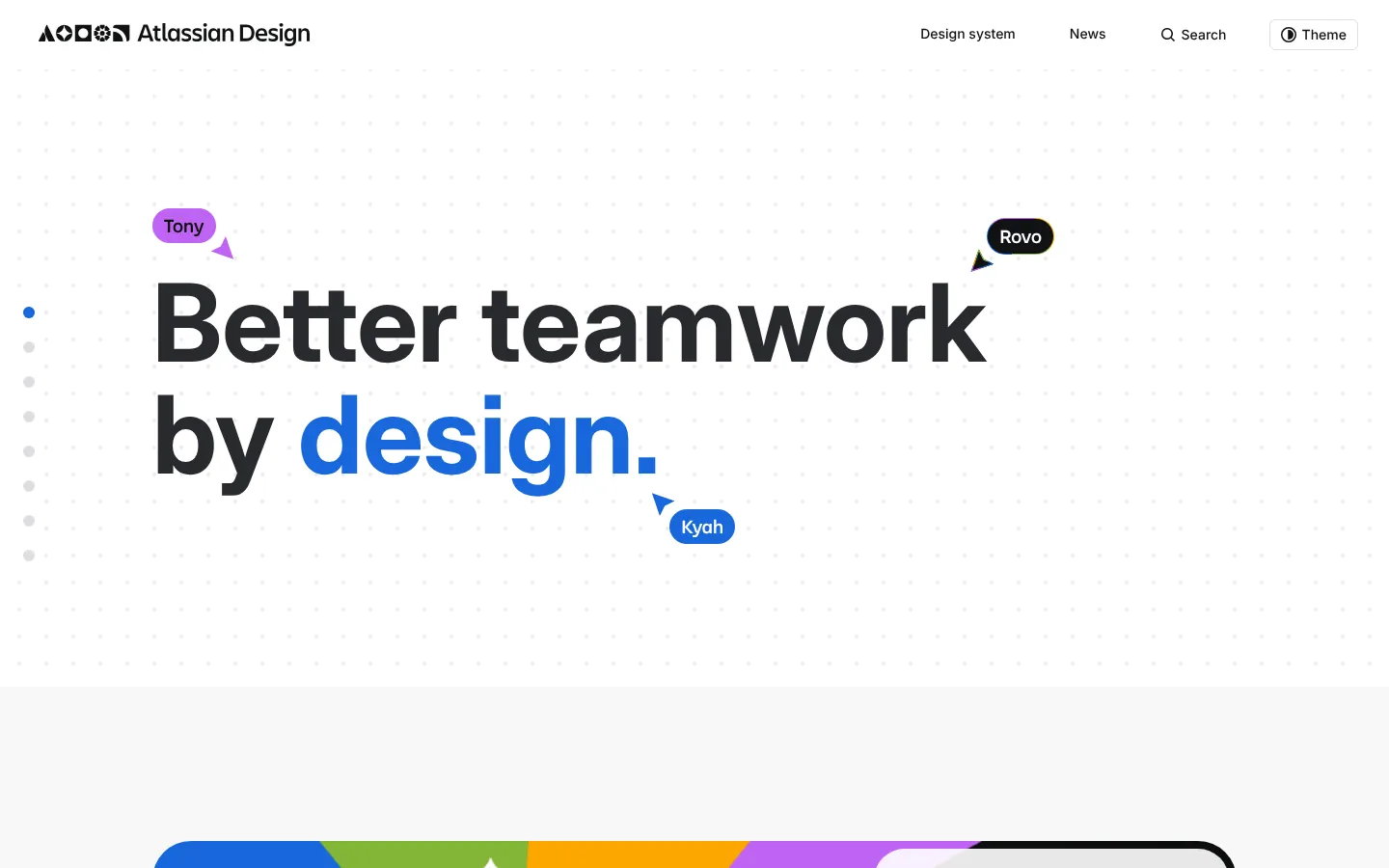
Atlassian Design System. Atlassian's brand documentation represents the modern approach to living brand bibles — digital, version-controlled, with design tokens, accessibility specifications, and code implementation guidance alongside the traditional visual rules. It demonstrates how large-scale digital companies are evolving brand bibles from static PDFs into maintained systems.
atlassian.design
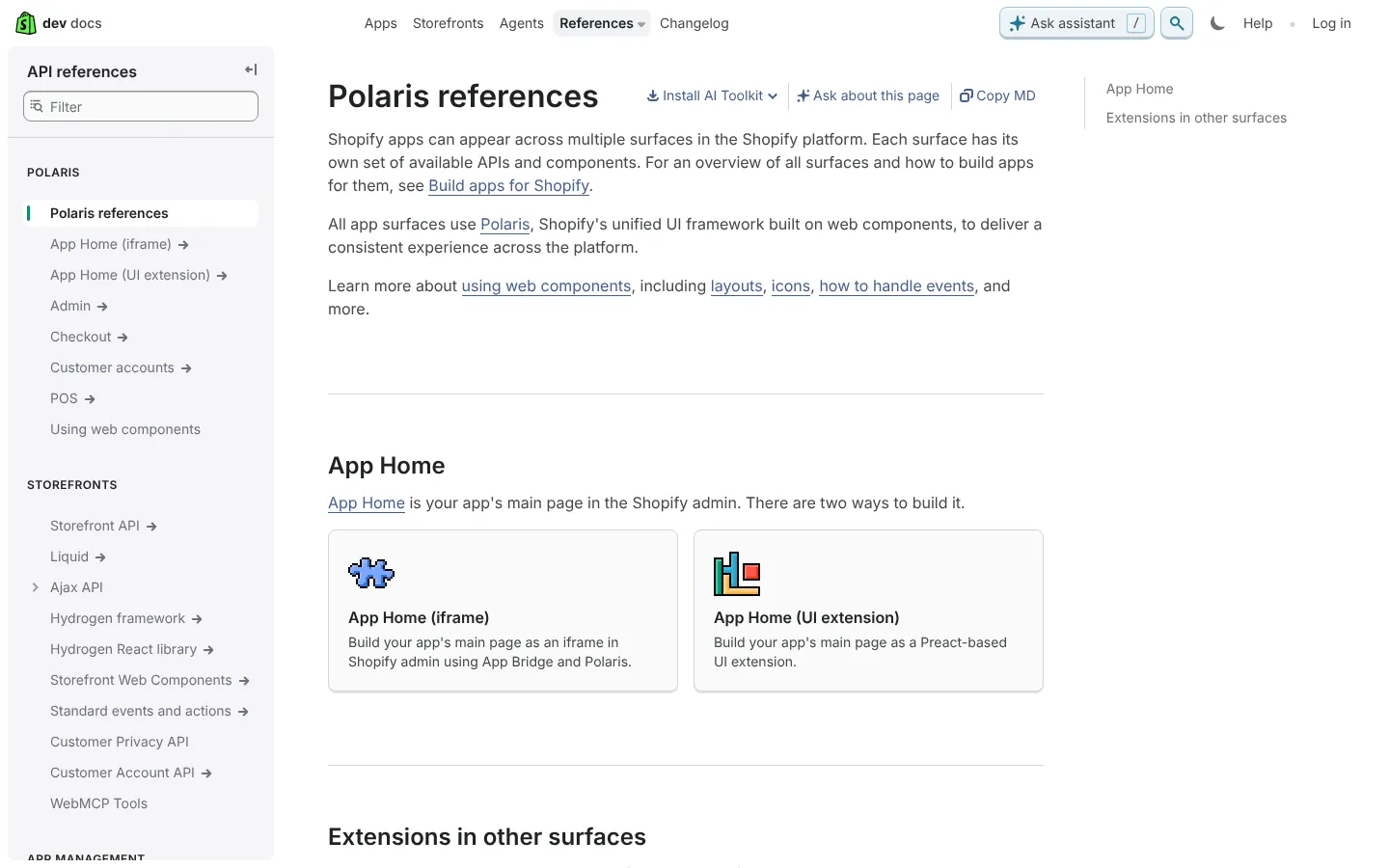
Shopify Polaris. Shopify's Polaris design system shows how a large company can maintain separate brand bibles for distinct contexts — the consumer-facing Shopify brand and the merchant-facing product brand — while keeping them coherent within a parent framework. For companies with multiple distinct audience-facing surfaces, this separation is instructive.
Polaris documentation on shopify.dev
Nike. Parts of Nike's internal brand book have been publicly documented over the years, and they illustrate the print-era approach to comprehensive brand bibles — extensive rules governing how the Swoosh can be used on products, advertising, and sponsorship materials. The precision required when a brand is applied at global scale across hundreds of licensing relationships drove the comprehensive approach that Nike developed.
NASA Graphics Standards Manual (1976). The historical reference case for modern brand bibles. The 1976 NASA manual codified the space agency's visual identity with a precision that influenced how the discipline was practiced for decades. It's been republished, studied, and referenced in design education as an example of what systematic brand documentation looks like when done rigorously.
You work with external agencies or freelancers consistently. Every new external partner who works with your brand without comprehensive documentation requires handholding, produces work that needs significant revision, or gradually drifts the brand in their own direction. A brand bible transfers brand knowledge efficiently.
Brand consistency is already breaking down as the team grows. When the team was five people who shared the brand context implicitly, the light guidelines were enough. At twenty-five or fifty people, consistency requires documentation.
You're a multi-product company where sub-brands need a coherent parent framework. The relationship between the parent brand and product names, visual relationships between product lines, and how sub-brand elements interact with the parent system — these are brand architecture questions that require the comprehensive treatment a brand bible provides.
You're completing a rebrand. The rebrand creates a new brand that nobody has institutional memory of yet. A comprehensive brand bible captures and protects the new direction before it can drift.
You're preparing for a significant fundraise or IPO. Brand maturity signals operational maturity to investors. A comprehensive brand bible is evidence that the company takes its identity seriously and has built systems to maintain it.
You're expanding internationally. A brand that has to work in multiple cultural and linguistic contexts needs comprehensive documentation that accounts for localization — which colors carry different meanings in different markets, which phrases don't translate, which imagery is appropriate across regions.
Brand guidelines are probably enough when:
You have a small team — under fifteen people — with a shared visual sensibility and a single designer who built the brand.
You're a single-product company in a single market, and all brand work is done by the same people who created the brand originally.
Your brand is new enough that it's still evolving rapidly. A brand bible built around a brand that's about to change significantly becomes technical debt rather than a reference asset.
For the companies in the first list, working with a team that offers professional brandbook creation handles the documentation scope that goes beyond what most internal teams can produce efficiently.
Common Brand Bible Mistakes
Building the brand bible before the brand strategy exists. A brand bible without a strategic foundation codifies arbitrary visual decisions and gives them false authority. The rules feel prescriptive without being coherent, because there's no underlying rationale to explain why any of them are the way they are. Strategy first, documentation second.
Rules so prescriptive they kill creative flexibility. A brand bible that tries to anticipate every possible application and prohibit every unapproved variation produces a brand that feels rigid and dead in practice. The goal is consistency, not uniformity. A brand bible should establish enough rules to ensure recognizability and coherence, while leaving room for designers to exercise judgment within the system.
Outdated application examples. Brand bibles are long documents that take significant effort to produce, which creates a natural tendency to leave them unchanged once completed. But application examples that show the brand in contexts that have since been redesigned, or using visual elements that have been updated, actively mislead users of the document. Regular review cycles — ideally annual for application examples — prevent the document from becoming a historical artifact rather than a working reference.
Missing digital-first considerations. Brand bibles designed primarily for print contexts routinely omit dark mode specifications, product UI guidance, motion principles, and accessibility requirements. For digital-first companies, these omissions are significant — they're the contexts where the brand lives most of the time.
No enforcement or ownership mechanism. The most comprehensive brand bible in the world is worthless if nobody reviews new brand materials against its standards. A brand bible requires an owner — someone whose responsibility it is to catch inconsistencies, approve deviations, and update the document when the brand evolves. Without ownership, the document becomes a compliance checkbox rather than a working reference. When the inconsistency has accumulated to the point that the brand needs structural repair rather than documentation, rebranding services address the root problem rather than the documentation symptom.
How to Create a Brand Bible
The high-level sequence for creating a brand bible follows the structure of the document itself.
Start with the strategy layer — mission, values, positioning, and audience documentation — if it doesn't exist yet. The brand bible can't be built coherently without the strategic foundation, and attempting it produces rules without rationale.
Audit existing brand applications before designing new ones. Catalog what's working, what's inconsistent, and where the most frequent misapplications occur. The audit tells you where the documentation gaps are most consequential.
Structure the document following the component hierarchy covered in this article. Work through each section with designers who actively apply the brand — their practical experience surfaces rules that work in theory but break in application.
Build the application examples section last, after the component rules are established. Application examples are where the system either holds together or reveals its problems.
Timeline: a comprehensive brand bible for a growth-stage company typically takes six to ten weeks. A focused version for a smaller company runs three to four weeks. Investment ranges from $15,000 to $40,000 for boutique studios to $60,000 and above for enterprise brand consultancies, depending on scope and the depth of strategy work required. For the step-by-step process for building brand guidelines within a focused scope, the detailed guide covers the construction sequence in more depth.
Frequently Asked Questions
What is the difference between a brand bible and brand guidelines?Brand guidelines are a practical working document of ten to twenty-five pages covering the core visual identity rules. A brand bible is the most comprehensive version — fifty to one hundred fifty pages or more — including brand strategy, photography direction, motion guidelines, application examples, and the rationale behind every rule, not just the rules themselves.
How long should a brand bible be?It depends on the company's complexity. A seed-stage startup might produce a focused brand bible of thirty to fifty pages. A multi-product company with multiple audience segments, international markets, and regular external agency relationships might produce one hundred fifty pages or more. The right length is the one that answers every brand question a team member or external partner is likely to have — no longer, no shorter.
Who creates a brand bible?Brand bibles are typically created by a branding agency or a senior in-house brand designer, in close collaboration with the founders or leadership team. The strategic foundation requires input from people who understand the business deeply; the design execution requires practitioners who can translate that strategy into precise visual and verbal rules. Neither side alone produces a complete document.
How much does a brand bible cost?For a boutique branding studio working with a growth-stage company, brand bible creation typically runs $15,000 to $40,000. Enterprise brand consultancies working with large organizations charge $60,000 to $150,000 and above for comprehensive brand bible projects. The primary cost driver is the scope of strategy work included — a brand bible built on top of existing strategy work is faster and less expensive than one that includes positioning and brand strategy development from scratch.
How often should a brand bible be updated?Application examples and visual specifications should be reviewed annually. The strategic foundation — positioning, values, audience definition — should be reviewed whenever significant business changes occur: a product pivot, a new target market, a leadership transition, or a rebrand. A brand bible that accurately documents a company that no longer exists creates more confusion than no documentation at all.
Do startups need a brand bible?Not at the earliest stage. A seed-stage startup with a small team, a single product, and all brand work done internally can function well with focused brand guidelines. The case for a brand bible strengthens as external partners get involved, the team grows beyond the original brand creators, or the company needs to maintain consistency across multiple products or markets. Investing in a comprehensive brand bible before the brand itself is stable is premature; waiting until inconsistency has already spread makes the documentation work harder.
Brand Bibles Pay Back Over Time
Brand bibles are investments that pay off when teams grow, external partners start working with your brand, or you go through transitions like rebrands or market expansion. Getting it right once prevents brand drift for years. If you're at the stage where the documentation is overdue, our brandbook creation services cover the full scope from strategy documentation through application examples.
Metabrand
Team
Brand and Website from 3–4 weeks
Metabrand is a startup branding agency working closely with founders and technology teams to bring ambitious ideas to life and give them the clarity, character, and presence they deserve.
Thank you! Your submission has been received!
Oops! Something went wrong while submitting the form.
Learn More
Next Reads for Visionary Founders. Still Curious? Dive Deeper.