By clicking "Accept all cookies", you agree to storing cookies on your device to enhance site navigation, analyze site usage and assist in our marketing efforts as outlined in our privacy policy.
By clicking 'Accept all cookies', you agree to storing cookies on your device to enhance site navigation, analyze site usage and assist in our marketing efforts as outlined in our privacy policy.
The best tech website design solves a hard problem: explaining a complex product quickly to an audience that has very little patience for marketing language and a high baseline for design quality. A great tech company website doesn't just look credible — it makes the product understandable in the first scroll, earns trust through specificity, and moves visitors toward a meaningful action without friction.
This collection covers 30 tech company websites that do this well. Each example is drawn from a real company with a public site, selected across SaaS, AI, developer tools, fintech, security, and infrastructure. For each, we've broken down exactly what works about the design and what's worth adapting for your own site. When you're building an investor-ready startup website, these examples are the right benchmarks to work from.
Not every visually impressive tech site is actually a good one. The distinction matters because tech company website design serves a specific commercial function — it has to communicate to technical evaluators, business buyers, and investors, often simultaneously. Here's what separates the best tech website designs from ones that merely look good in portfolio screenshots.
Clarity about the product within the first three seconds. The hero has to answer "what does this do and who is it for" without requiring the visitor to scroll, read a paragraph, or watch a video first. The best tech company websites treat the headline as a product specification, not a brand promise. Vague aspirational copy ("the future of work") fails this test every time.
Visual demonstration, not just description. Text explains what a product does. A screenshot, an embedded interface preview, or a short animation shows it. The most effective technology website examples lead with product visuals in the hero or the first section below it — not stock photography, not abstract shapes, not diverse teams in open-plan offices.
Performance as a design choice. Heavy, image-dense sites with autoplay background videos make a statement about priorities. For technology audiences, a fast-loading, well-structured site signals technical competence in the same way an articulate engineer signals competence in an interview. Minimalism isn't emptiness — it's the absence of things that don't do work.
Trust signals specific to tech. For enterprise software, trust signals are specific: SOC 2 compliance badges, named enterprise customers with recognizable logos, security documentation, uptime records. Generic testimonials are nearly useless in this context. Specificity — "used by 40,000 engineering teams at companies like X" — earns the credibility that "thousands of satisfied customers" doesn't.
Motion that explains, not decorates. Background loops and particle animations are noise. Animations that show how data flows through a system, how an interface responds to user input, or how a feature works are signal. The best tech web design uses motion as a communication tool, not as visual texture.
Typography under technical scrutiny. Engineering teams notice typefaces. A well-chosen monospace in code samples, a clean geometric sans-serif in body copy, and a clear typographic hierarchy distinguish sites that have been designed with intention from ones assembled from templates. The difference is visible in five seconds to anyone who works in tech.
How We Selected These Examples
This list prioritizes tech company websites that demonstrate strong design execution alongside real commercial substance. Selection criteria: the company has to be a genuine technology business with a public website, not an agency portfolio or concept project; the design has to perform specific communicative work rather than just look impressive; the examples represent a range of subverticals and company stages; and the work has to be current — we excluded sites that were landmark examples five years ago but haven't held up.
Where we were uncertain about a company's current site quality, we substituted a comparable example from the same category. The goal is a collection that's useful as a reference, not a status list.
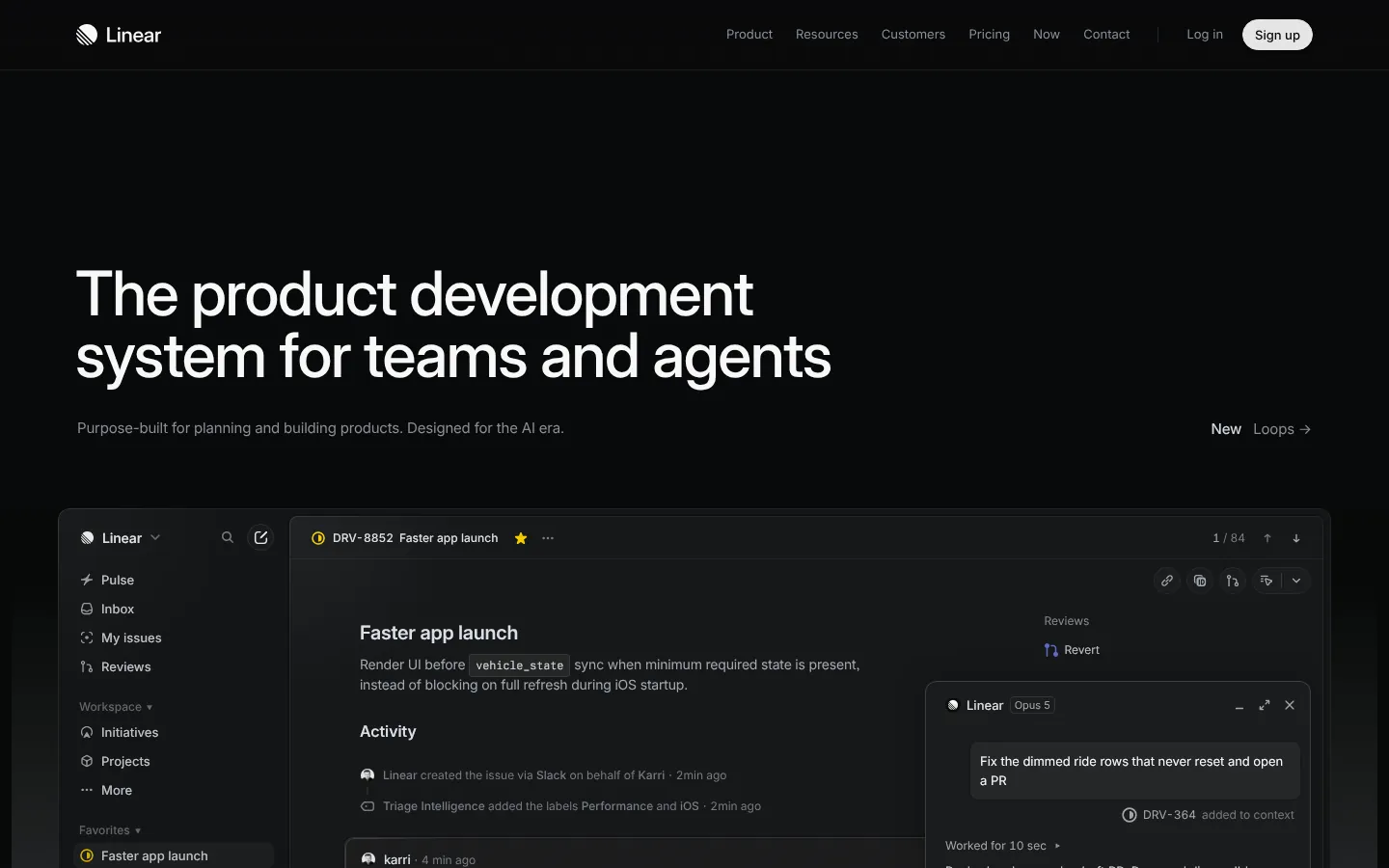
Linear's website is one of the most studied in B2B SaaS for good reason. The dark-mode aesthetic, the precision typography, and the product-forward hero all communicate that this is a tool built by and for people with high design standards. The animation work — used to show interface speed rather than just look impressive — directly reinforces the product's core value proposition. Every design choice is in service of the claim that Linear is fast.
Adapt this: Use motion to demonstrate your product's defining quality, not to fill space.
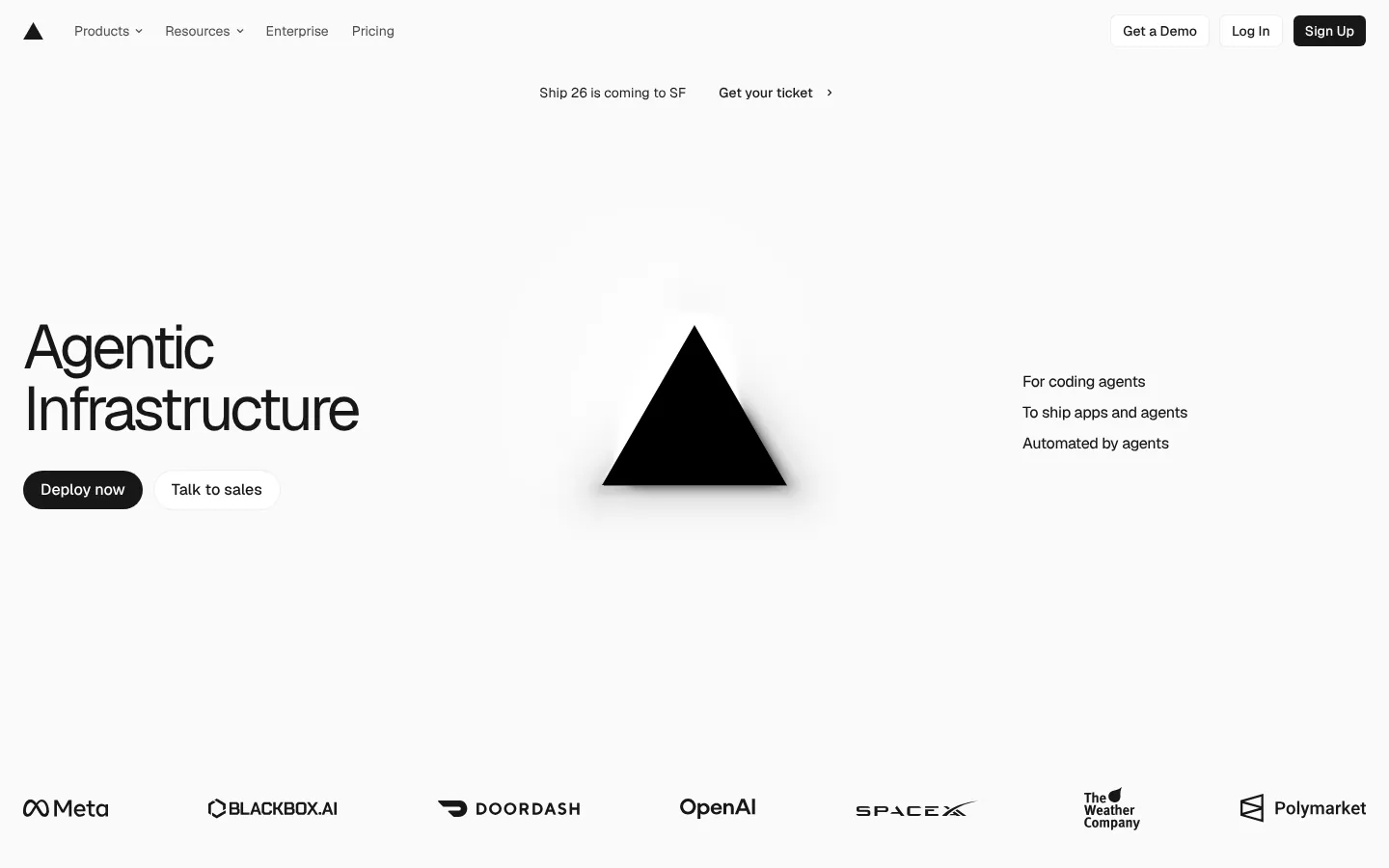
Vercel's homepage achieves something technically difficult: it communicates to developers (who want specificity and performance proof) and to CTOs (who want enterprise credibility) simultaneously. The hero demonstrates deployment speed through an animated build log — a product demo in the form of design. The site loads quickly, which is its own statement. The customer logo block features names that carry weight in engineering circles.
Adapt this: If your product's value is speed or reliability, demonstrate it in the hero rather than claiming it.
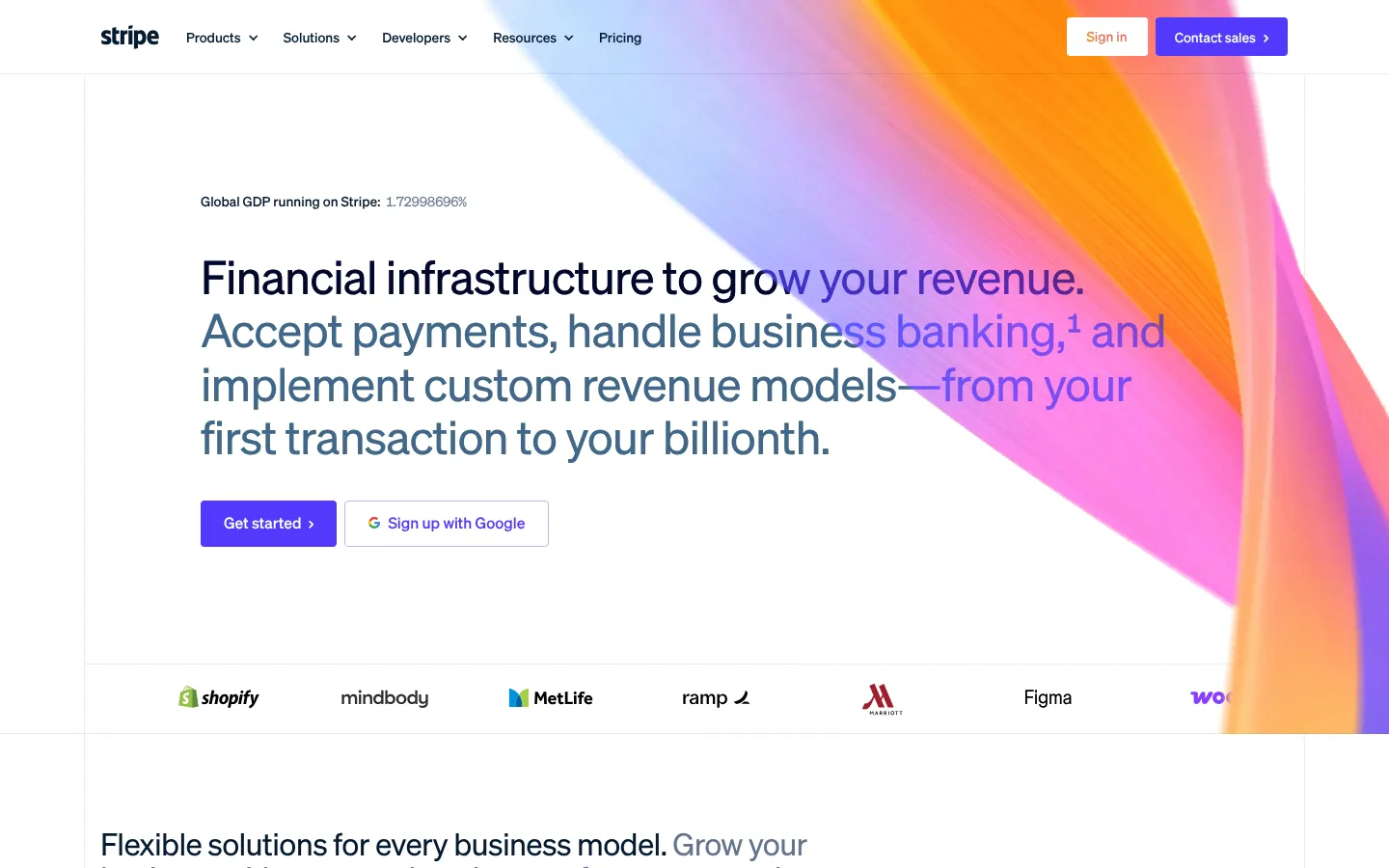
Stripe set the reference standard for fintech website design a decade ago and has continued to evolve it rather than drift from it. The documentation-as-product-surface approach — where developers can evaluate the API through the marketing site before ever signing up — turned the website into a sales tool. The color gradient, the card UI components, the code samples embedded in marketing pages: these are design choices that signal Stripe understands its audience.
Adapt this: If your product has a developer audience, treat documentation and code examples as first-class marketing assets.
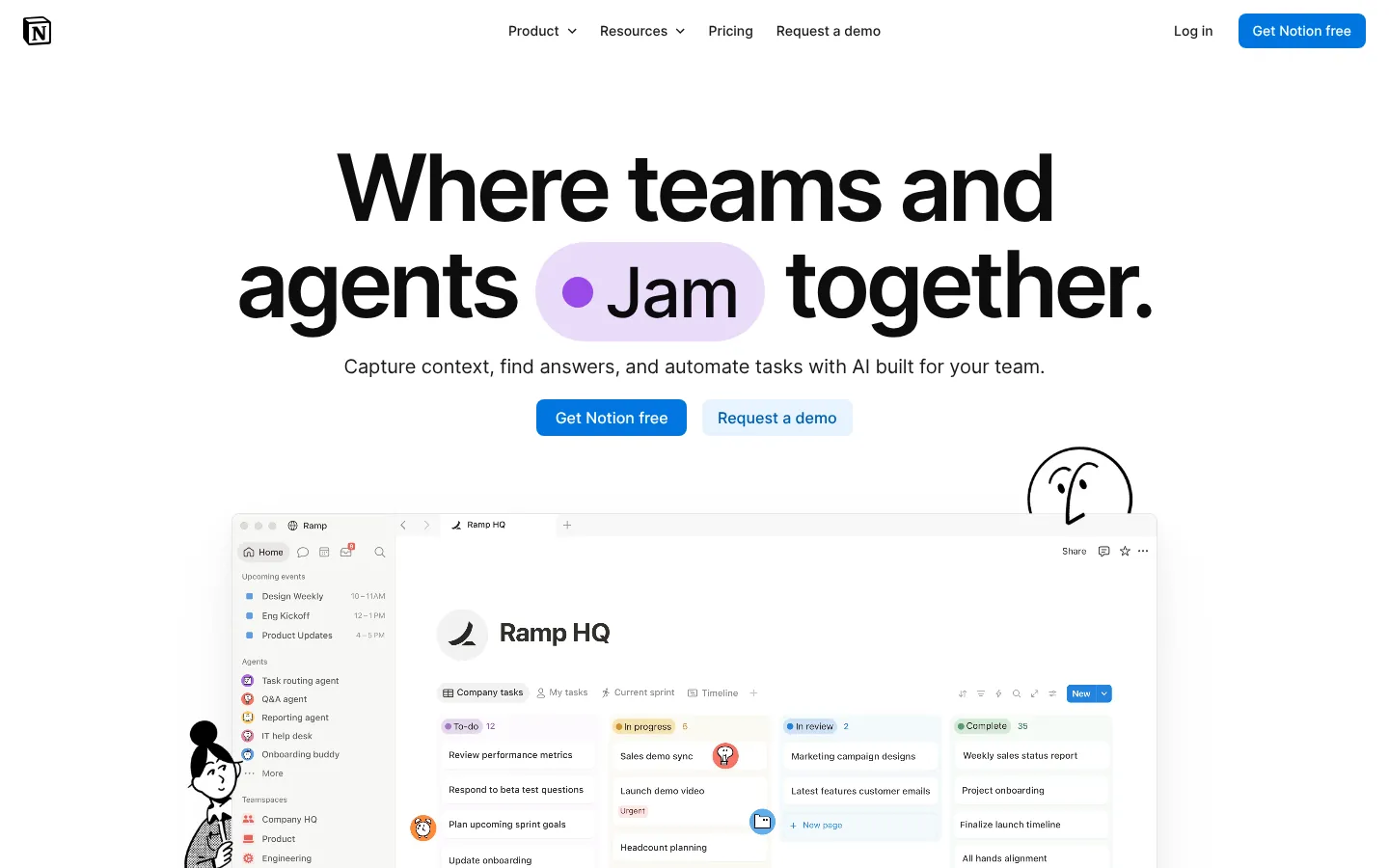
Notion's website communicates flexibility through structure — the marketing site itself demonstrates the kind of organized, clean information architecture that Notion enables. The product screenshots are integrated into the page layout rather than presented as separate "features" sections. The enterprise page is worth examining as a separate case study: it recontextualizes the same product for a completely different buyer without feeling like a different brand.
Adapt this: Use your website's own structure to demonstrate your product's design philosophy.
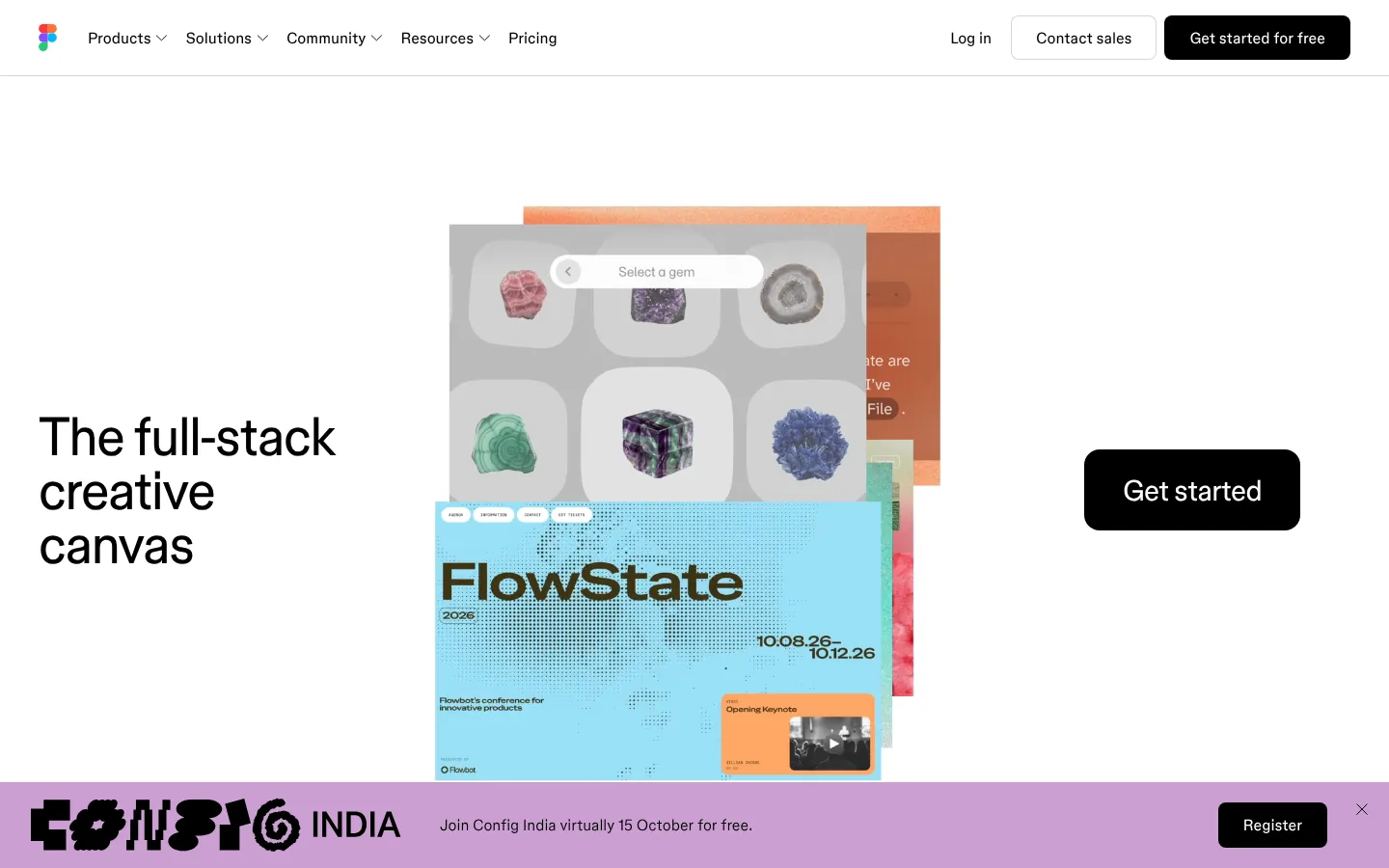
Figma's site has to perform for designers — an audience that will evaluate the website's design quality with professional scrutiny. The interactive elements, the embedded demos, and the visual system all meet that standard. The "for enterprise" section successfully transitions from the collaborative, accessible product brand to a more formal enterprise posture without losing coherence. Product screenshots are used generously and contextually throughout.
Adapt this: Design for your most demanding audience segment, not your most forgiving one.
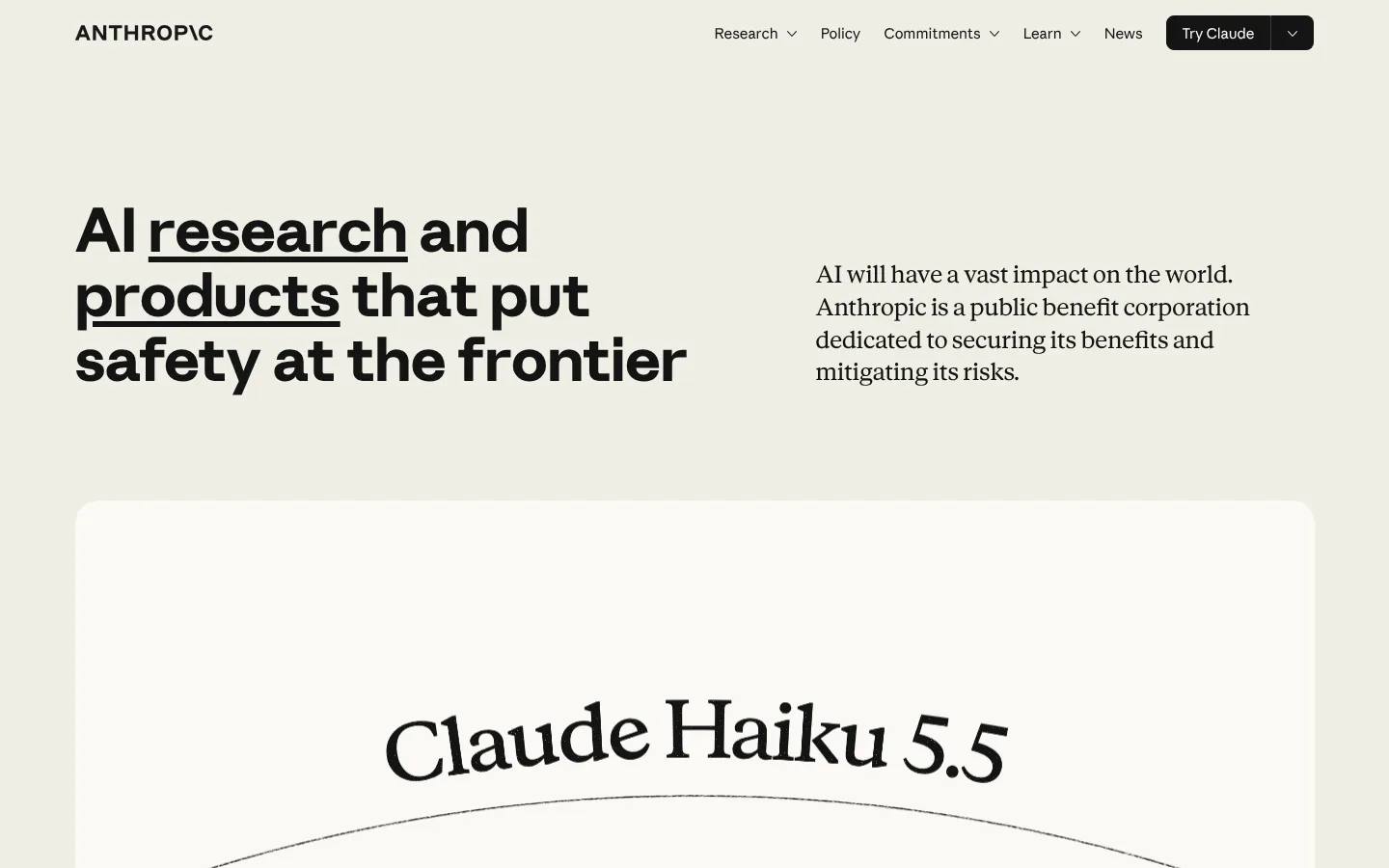
Anthropic's website takes a deliberately restrained approach relative to most AI companies. Where competitors lean into speculative visuals and hyperbolic claims, Anthropic communicates through clarity, research citation, and measured language. The design reflects the company's positioning as a safety-focused research organization rather than a consumer product company. This restraint is itself a design choice — and a differentiating one in a category full of visual noise.
Adapt this: In a crowded category, restraint and clarity can differentiate as effectively as visual ambition.
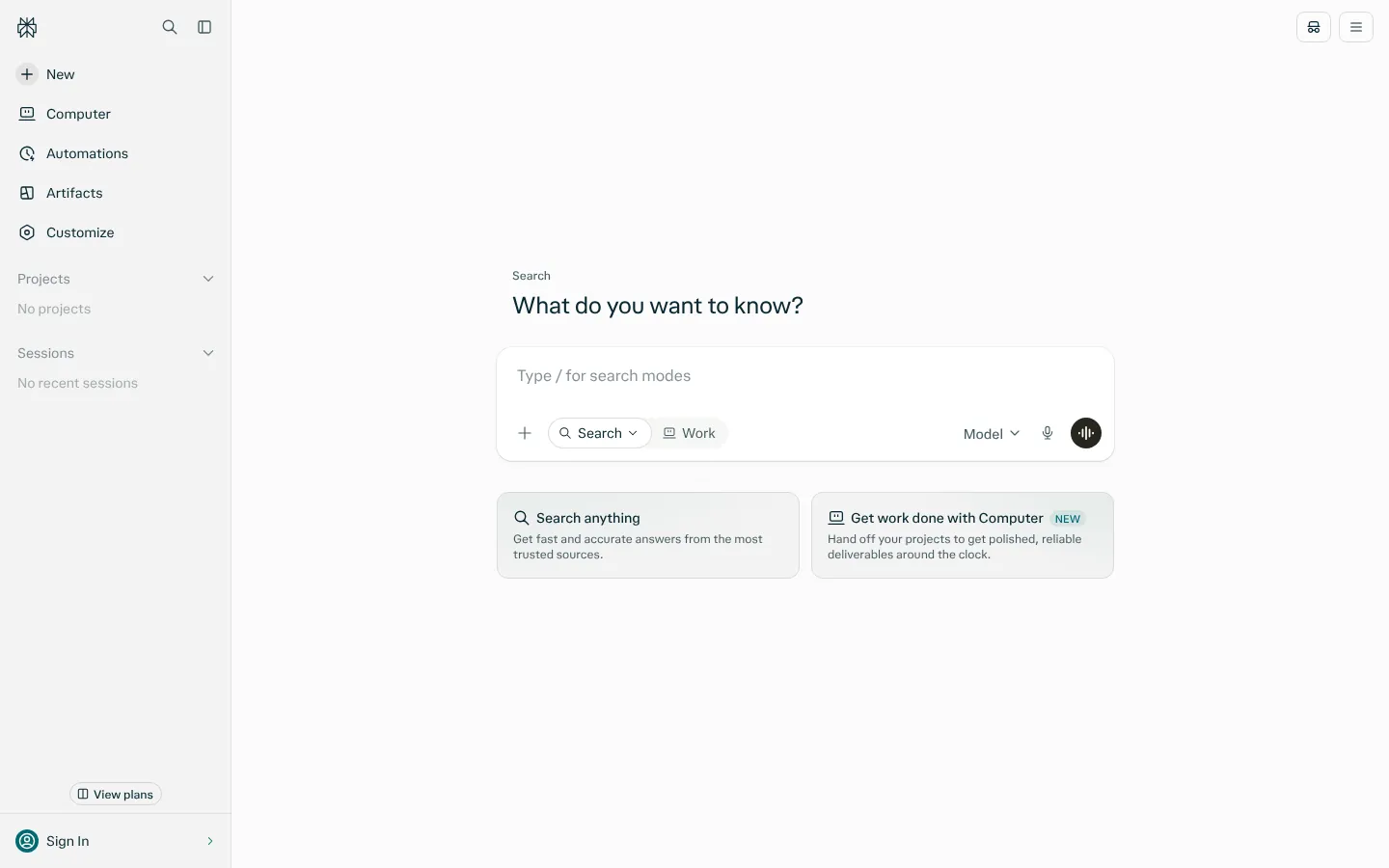
Perplexity's site is unusually product-forward: the search interface itself is embedded prominently in the homepage, reducing the distance between "landing on the site" and "understanding what the product does" to near zero. The minimalist design system keeps focus on the interaction. For a company competing against established search behavior, eliminating friction from the discovery-to-trial path is a sound design strategy. Working with a tech branding agency that understands search product positioning — where the product UI and marketing site need to feel continuous — typically means integrating brand and development work from the start rather than treating them as separate projects.
Adapt this: If your product can be experienced immediately, embed that experience in the marketing site.
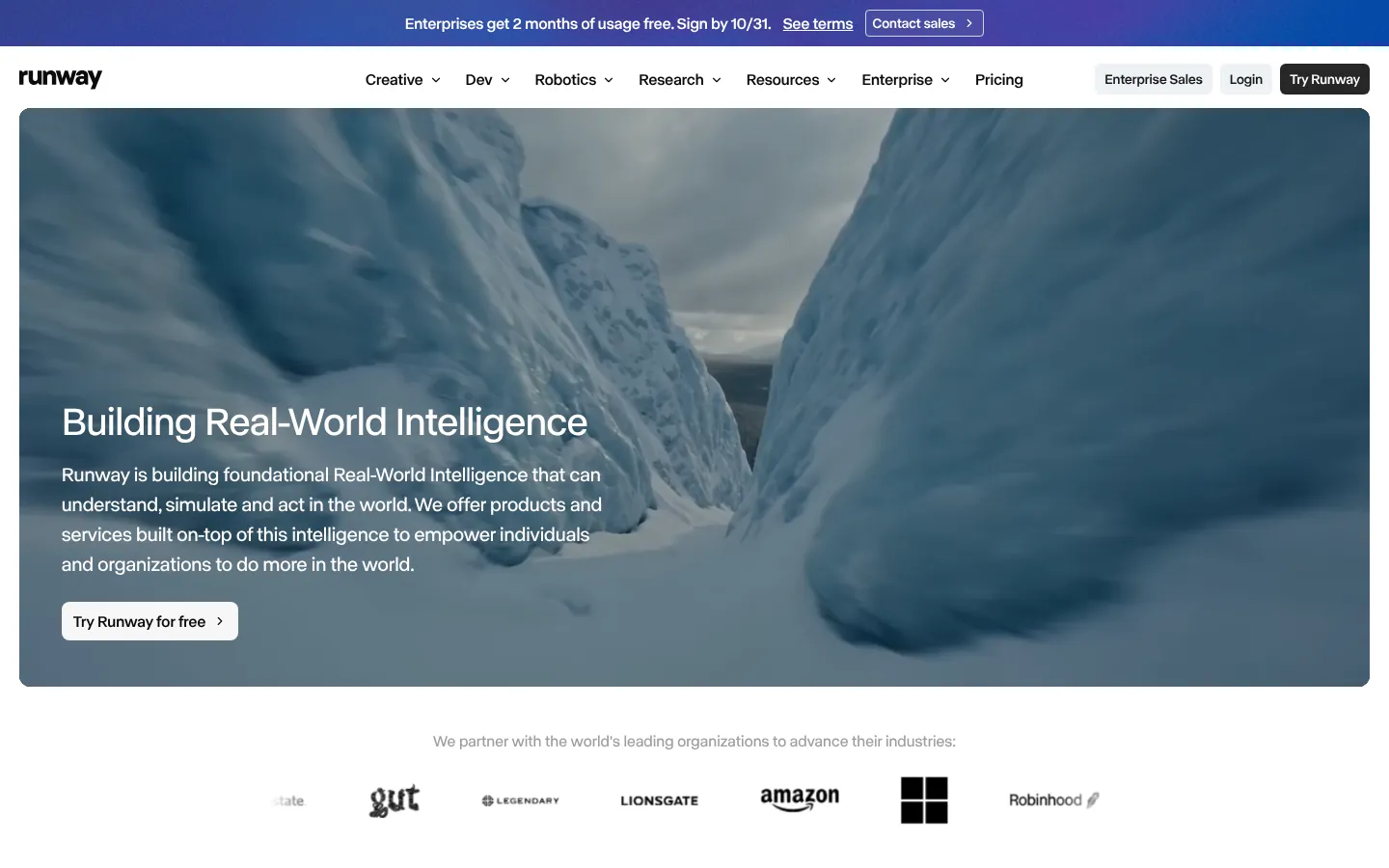
8. Runway
runwayml.com
Category: AI video and creative tools runwayml.com
Runway demonstrates its product through its marketing: the homepage shows outputs from the AI tools rather than describing features. Video-forward design makes sense for a video product. The visual quality of the examples on the site is itself a trust signal — it's proof that the outputs are good enough to showcase. The aesthetic is more consumer-creative than enterprise SaaS, which matches the product's positioning accurately.
Adapt this: Show outputs, not features. Let the work speak before the copy does.
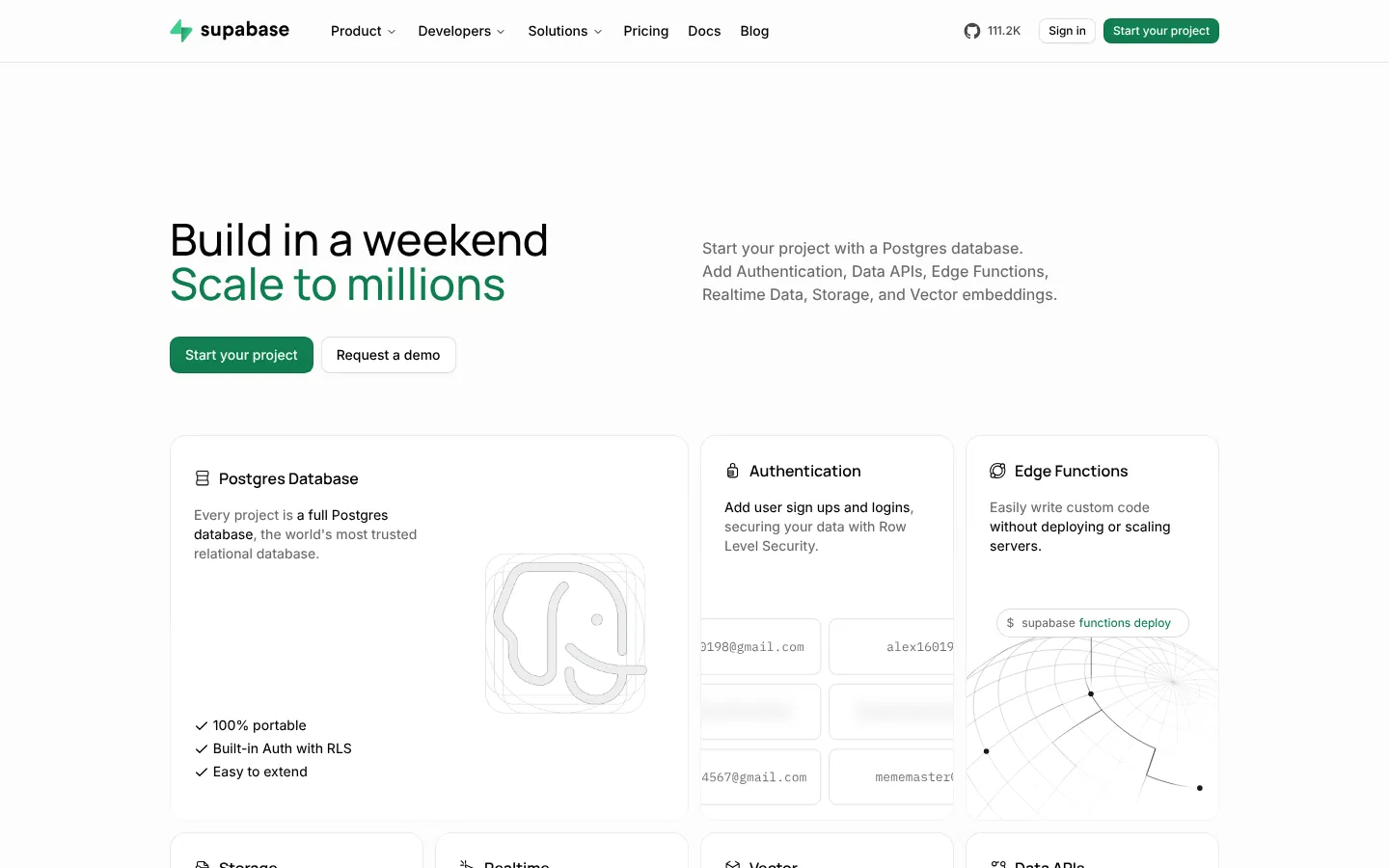
Supabase has built a strong developer brand with a green-dominant identity in a category dominated by blues and grays. The website leads with code — the hero includes actual SQL syntax — which signals immediately that this is a tool for technical builders. The open-source emphasis is woven through the design without being overstated. Product demos and starter templates are accessible from the homepage, reducing the time from landing to evaluating.
Adapt this: Distinctive color choices in a visually converged category are worth the risk if the rest of the design is strong enough to carry them.
10. Cursor
cursor.com
Category: AI code editor / Developer tools cursor.com
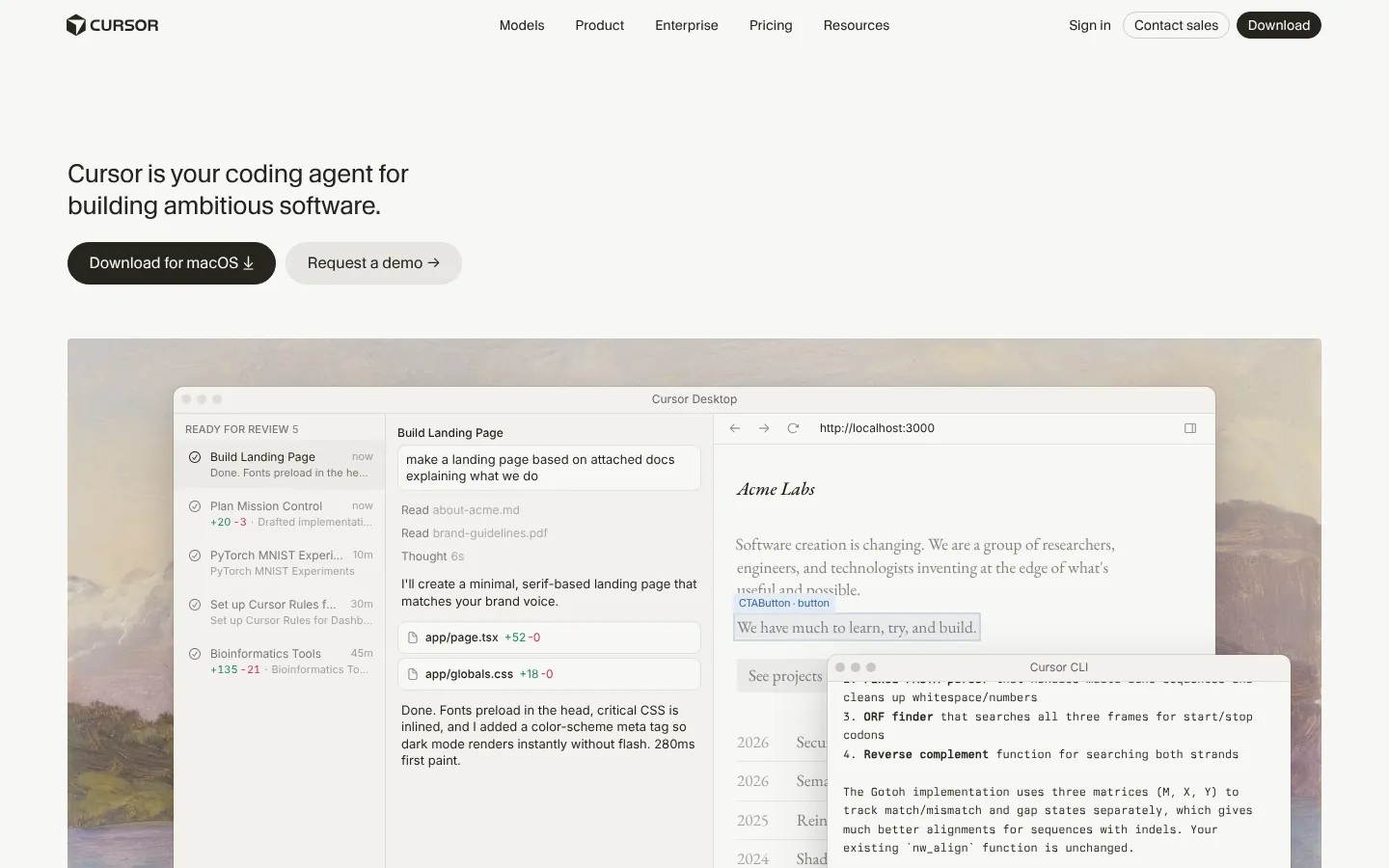
Cursor's site is notable for its directness: the product is explained in one sentence in the hero, the primary CTA is a download button, and the page focuses on demonstrating the AI coding experience rather than building an elaborate marketing narrative. For a developer tool competing on capability, reducing friction to the download moment is the right strategic choice. The design is polished without drawing attention to itself.
Adapt this: If your product's best argument is the product itself, minimize the distance between landing and installing.
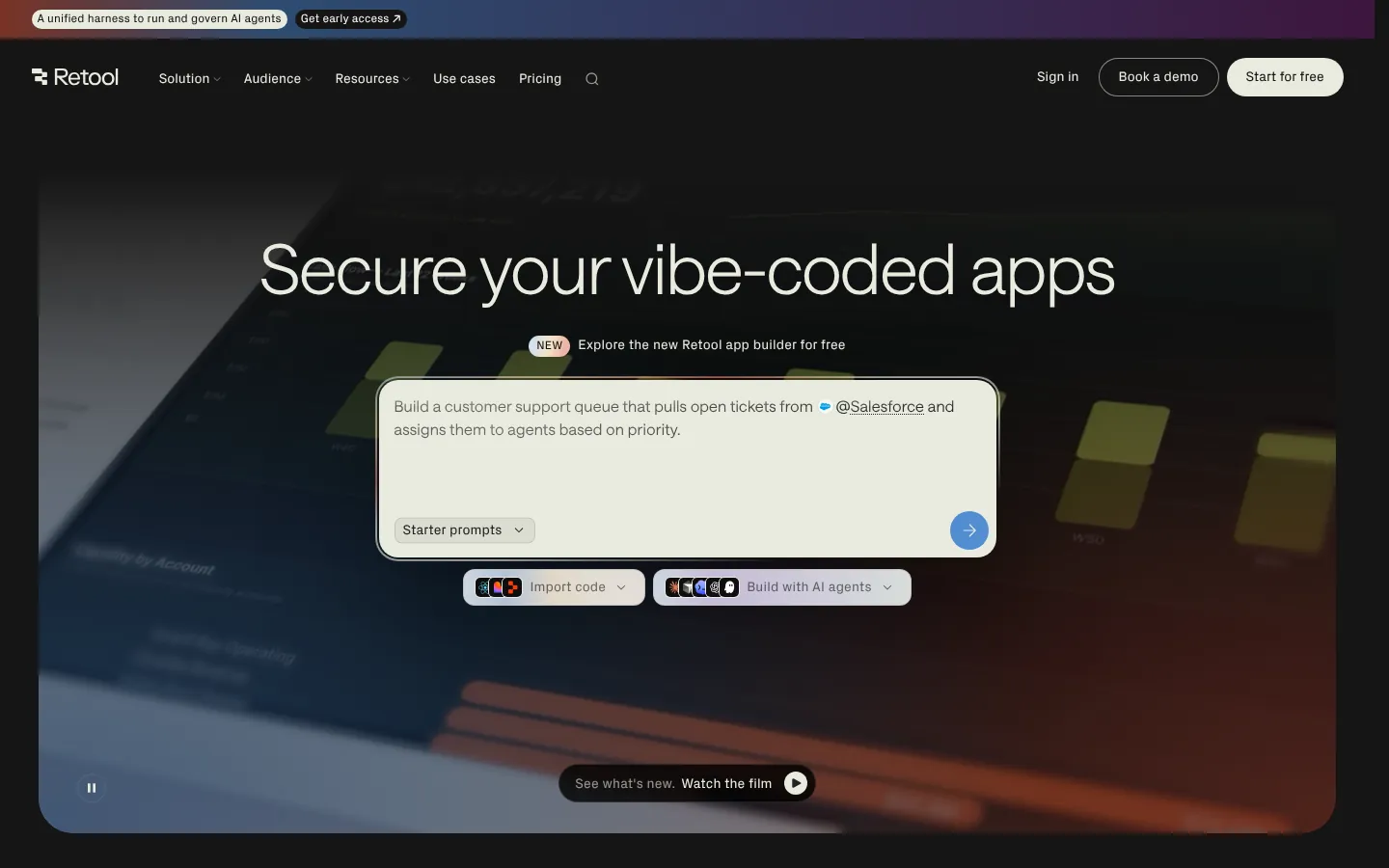
Retool's website manages a complex positioning challenge: the product serves both developers (who build with it) and business stakeholders (who approve purchasing it). The site addresses both audiences through layered messaging — developer-facing technical specifics alongside business-case framing. The product demonstration is thorough without being overwhelming. Enterprise trust signals are prominent: SOC 2, named customers, dedicated enterprise page.
Adapt this: When your product has multiple distinct audiences, design the navigation to accommodate both without diluting either.
Ramp's website is clean, fast, and specific. The hero copy quantifies the value proposition — "save an average of 5% on spending" is a claim that earns attention in a way "manage company spending better" doesn't. The product screenshots are high-quality and contextual. The customer proof section features companies with recognizable names and specific outcomes rather than generic endorsements. It's a good reference for fintech website design that prioritizes credibility over aesthetics.
Adapt this: Quantify your value proposition where possible. Specific claims convert better than general ones.
13. Mercury
mercury.com
Category: Fintech / Banking for startups mercury.com
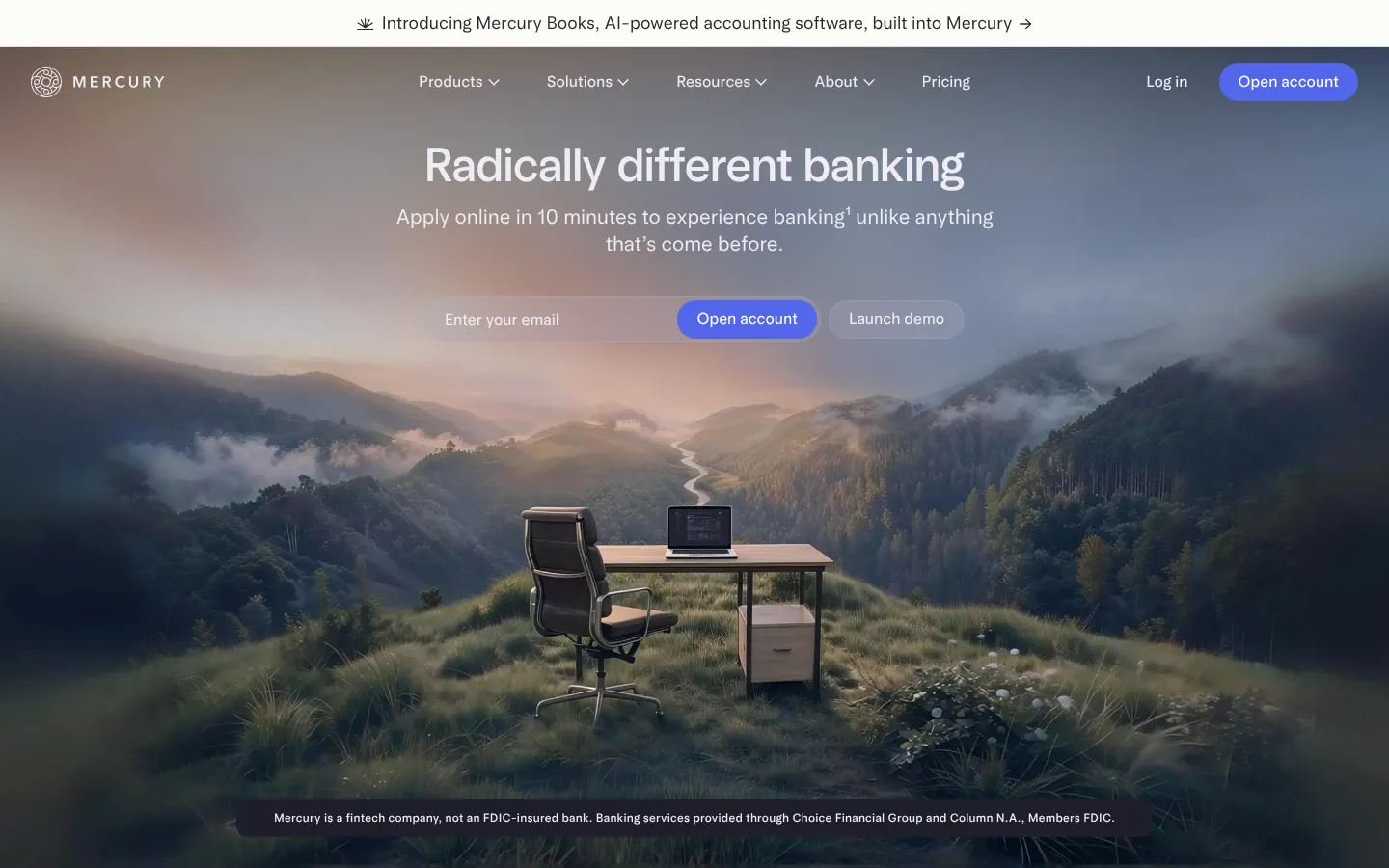
Mercury's site communicates "banking, but designed like a tech product" — the aesthetic is noticeably more product-forward than traditional financial services, while still maintaining the trust signals that banking requires. The interface previews are central to the design. The copy is direct and founder-friendly. This is a strong reference for companies operating at the intersection of financial services and technology, where trust and design quality both have to be present simultaneously.
Adapt this: In categories with high trust requirements, you can differentiate through design quality without sacrificing credibility signals.
14. Brex
brex.com
Category: Fintech / Corporate cards and finance brex.com
Brex's site has evolved significantly since its founding and now communicates enterprise financial infrastructure credibly. The dark-mode aesthetic, the product dashboard previews, and the enterprise customer logos position it squarely in the enterprise spend management category. The site manages the transition from "startup card" to "enterprise platform" through design — the visual system and copy choices have been updated to match the strategic repositioning.
Adapt this: When a company repositions, the website needs to lead that change, not lag behind it.
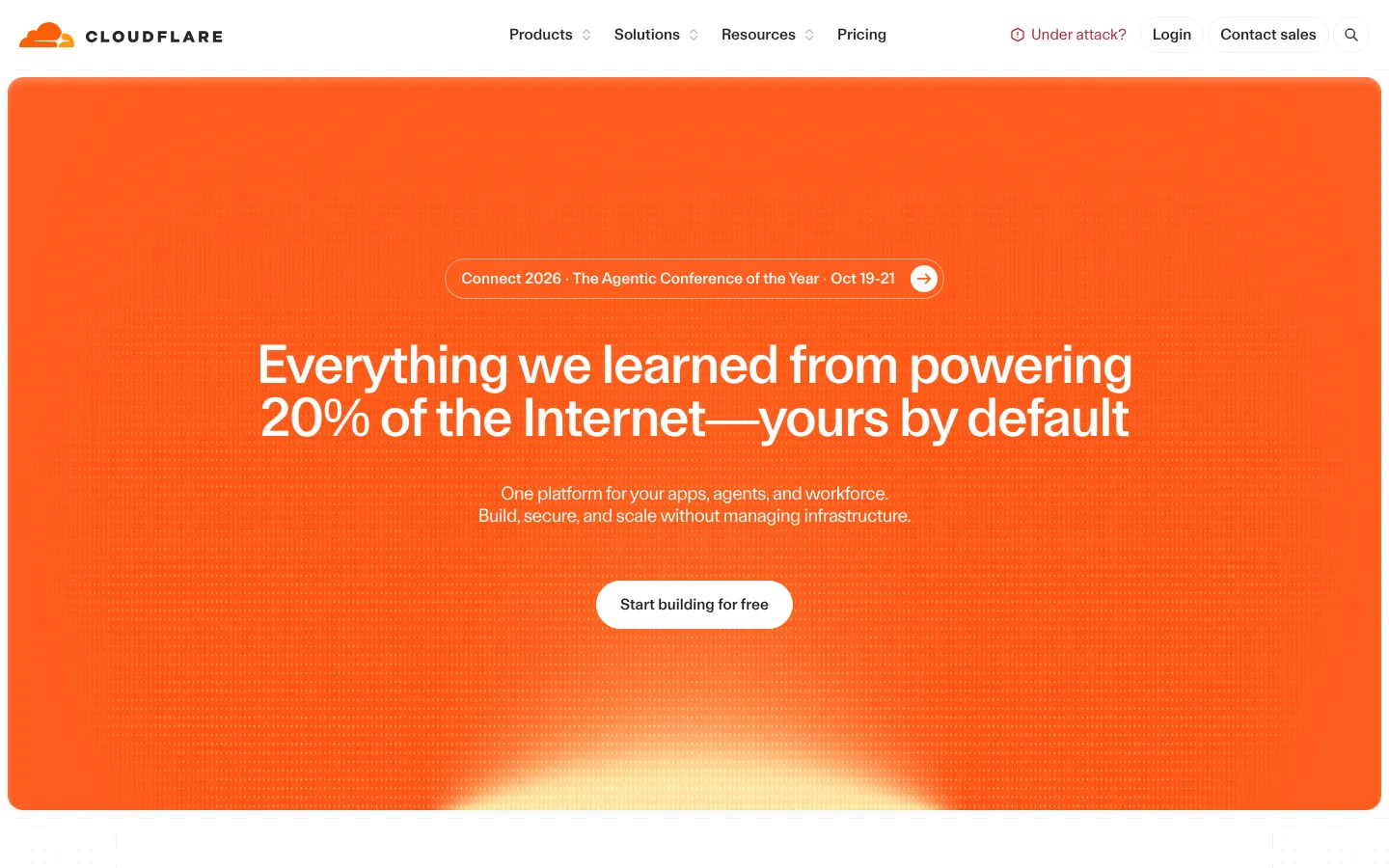
Cloudflare's website handles extraordinary technical complexity with unusual clarity. The product portfolio is broad — CDN, security, DNS, zero trust, developer platform — and the site navigates this breadth without collapsing into jargon. The homepage communicates scale and reliability through specific numbers. The design system is coherent across a massive site with hundreds of product pages. For companies managing complexity at scale, it's one of the best technology websites design references available.
Adapt this: When product breadth is a liability for clarity, lead with outcomes and verticals rather than features.
1Password's website earned its position through consistent execution. The balance between consumer accessibility and enterprise security credibility is better managed here than almost anywhere in the security category. The product demos are clear, the pricing page is transparent, and the compliance documentation is treated as a marketing asset rather than an afterthought. The design is warm relative to the category — a deliberate choice that differentiates in a sector dominated by dark and aggressive aesthetics.
Adapt this: Category visual conventions are a starting point for differentiation, not a mandate.
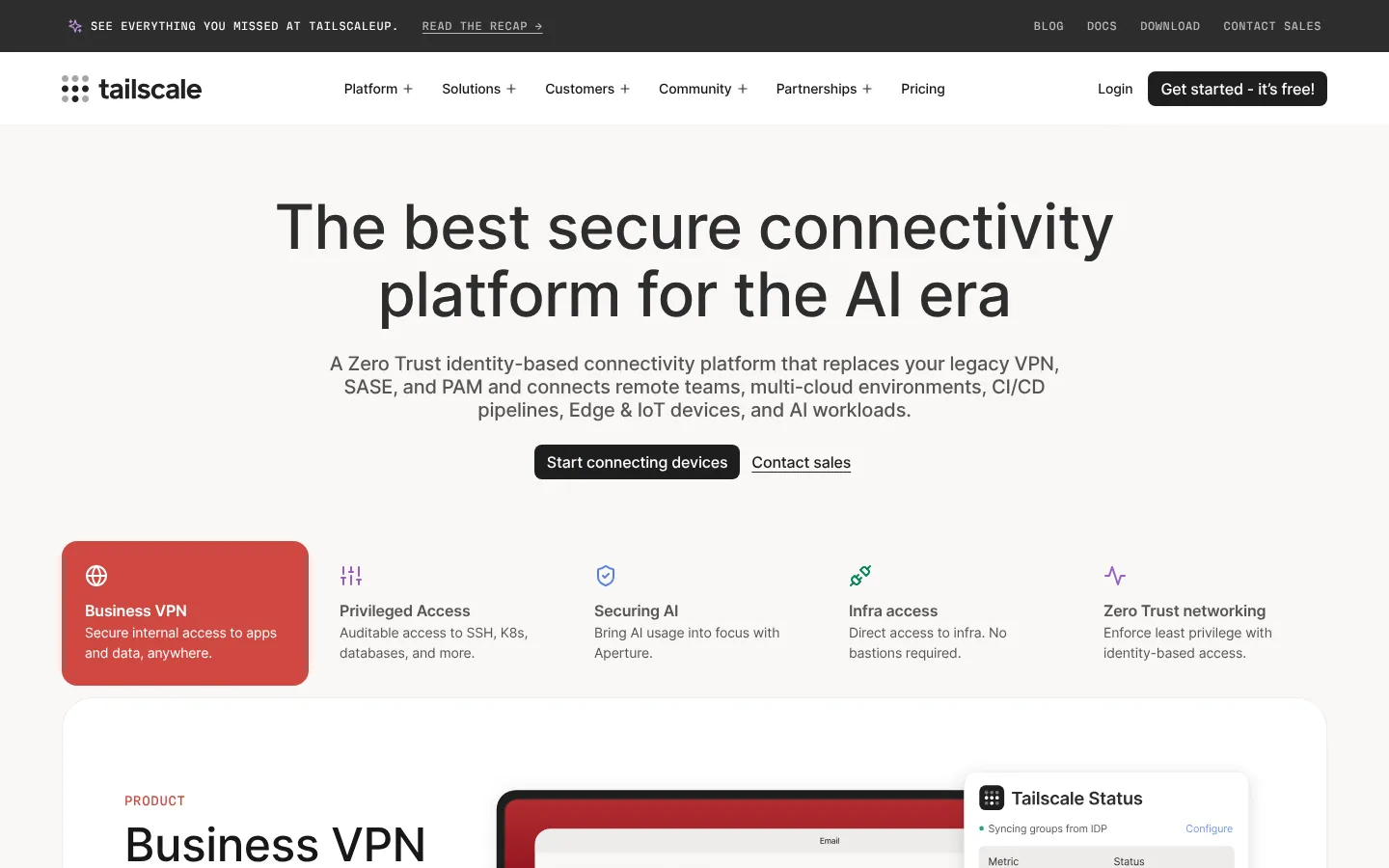
Tailscale's site is a strong example of developer-focused security company website design. The copy is technical and specific, which is exactly right for an audience of engineers evaluating a networking product. The pricing page is notable: it's transparent, starts with a generous free tier, and explains the enterprise tier clearly. The site avoids the "contact us to learn about pricing" pattern that frustrates technical buyers. For a SaaS branding agency working in developer tools, Tailscale's pricing page design is worth studying.
Adapt this: Transparent pricing is a trust signal. "Contact us for pricing" is a friction point for technical buyers.
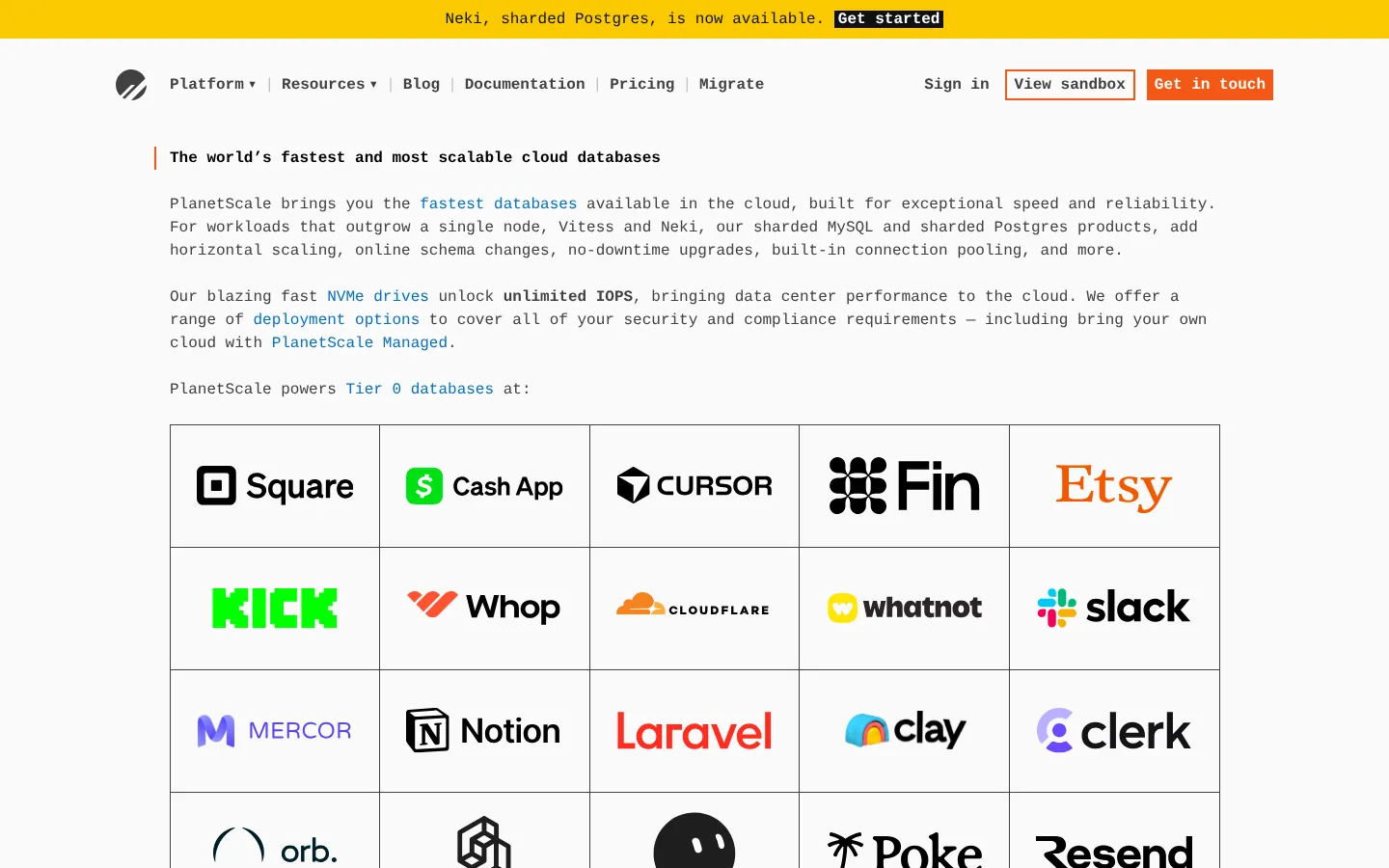
PlanetScale's website communicates database infrastructure to a technical audience with clarity and visual confidence. The monospace type, the dark palette, and the code-first content all signal that this is a product built by engineers for engineers. The technical documentation is prominent and well-designed. The marketing copy leads with technical specifics rather than benefits — which is the right choice when the audience is sophisticated enough to evaluate claims on their merits.
Adapt this: For technical audiences, specificity is more persuasive than polish.
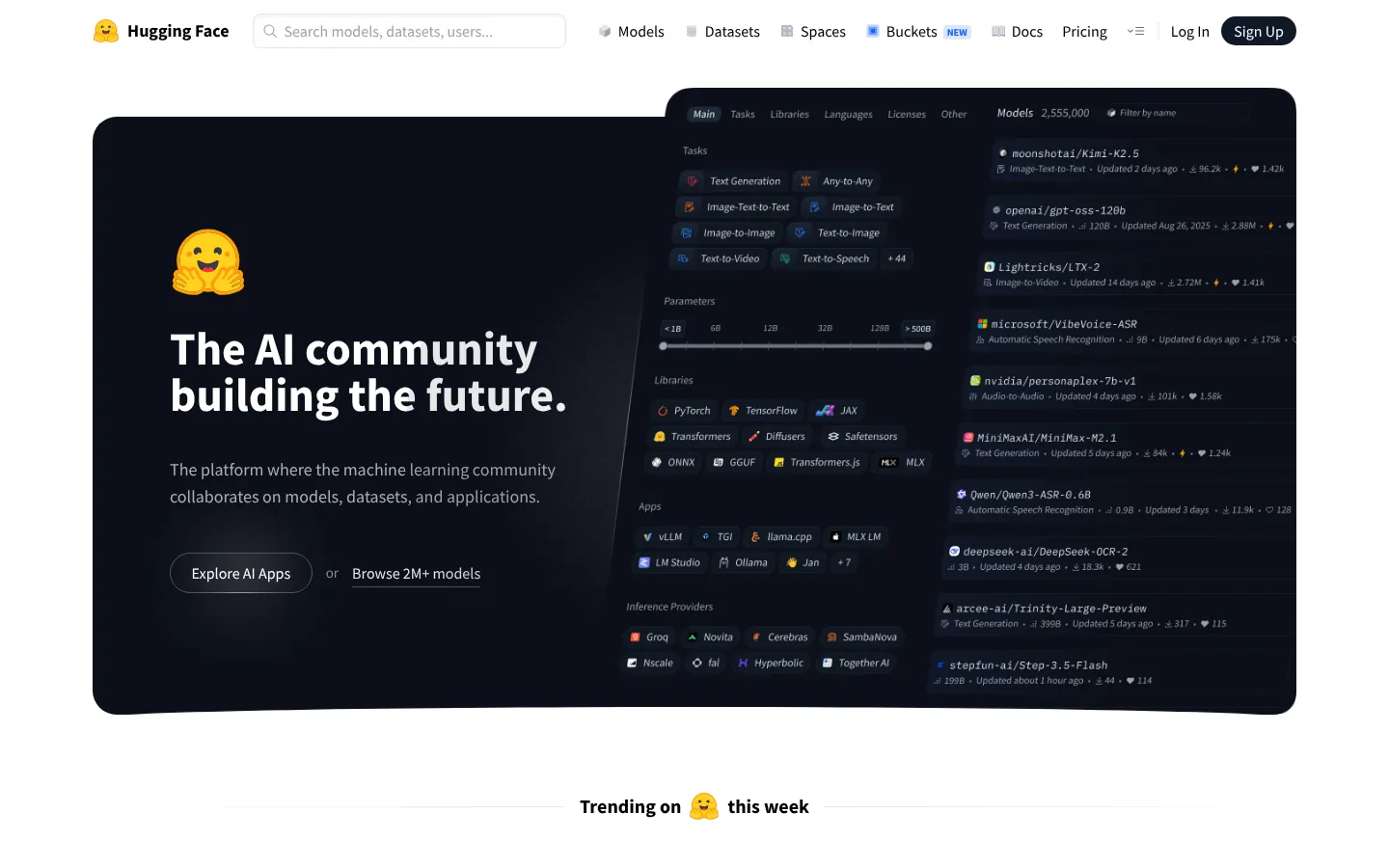
19. Hugging Face
Category: AI / Machine learning platform huggingface.co
Hugging Face's website looks different from almost every other AI company site — deliberately informal, community-focused, and organized around the model and dataset repositories that constitute its actual product. The emoji-heavy, approachable aesthetic is a deliberate positioning choice in a category prone to corporate seriousness. The product is the community, and the site makes the community visible. It's an unusual example of high tech website design that prioritizes authenticity over polish.
Adapt this: If your product is community-driven, let the community be visible in the design.
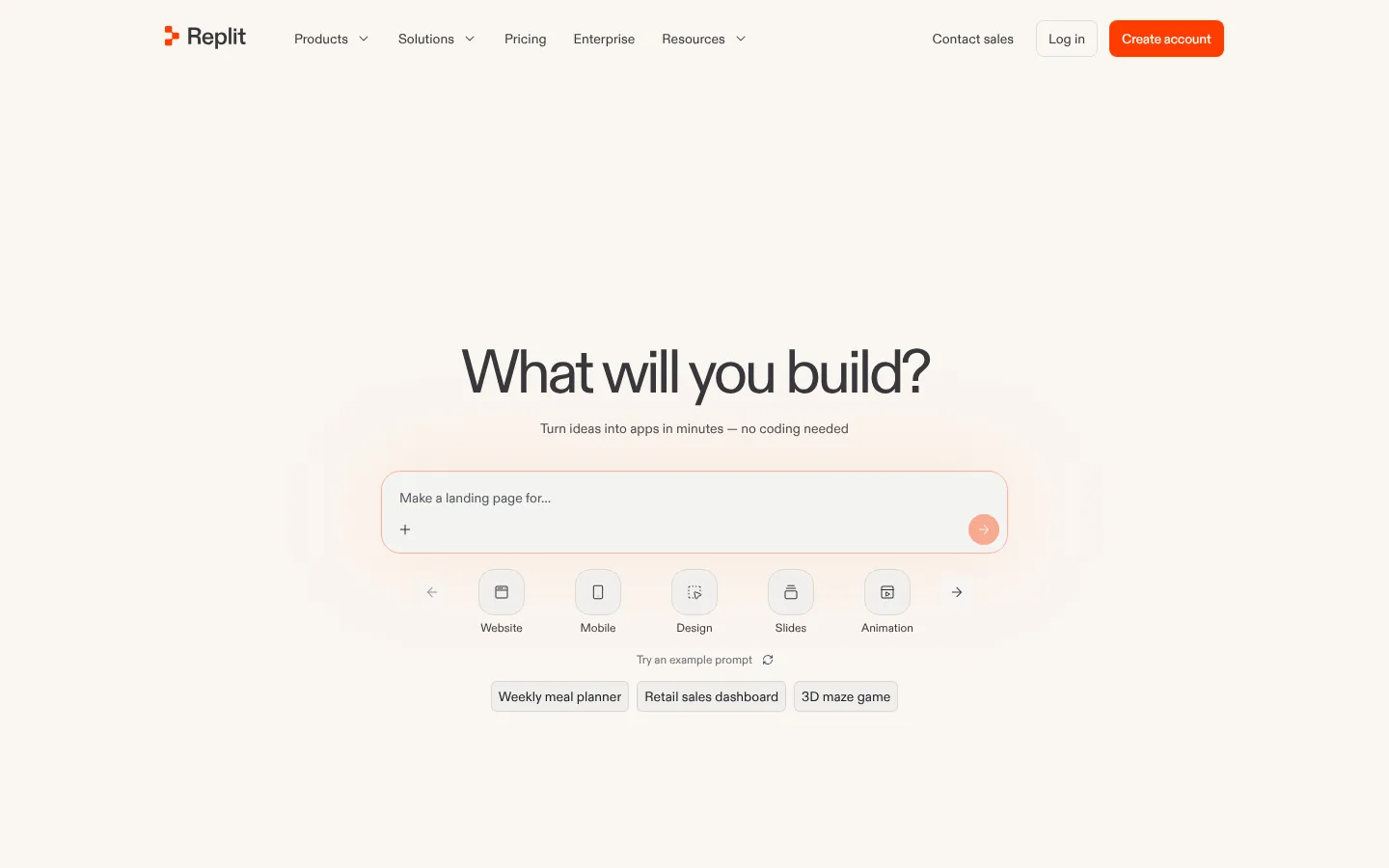
20. Replit
Category: Developer tools / Online IDE replit.com
Replit's website bridges consumer accessibility and developer credibility — the product serves everyone from students to professional engineers, and the site communicates this range without becoming incoherent. The AI-forward positioning is integrated throughout. The product is demonstrated rather than described in the hero. The pricing page is clear and includes a generous free tier. For a product with a broad user base across multiple technical skill levels, Replit's navigation approach is worth studying.
Adapt this: When your user base spans skill levels, lead with the outcome (building software), not the mechanism (IDE).
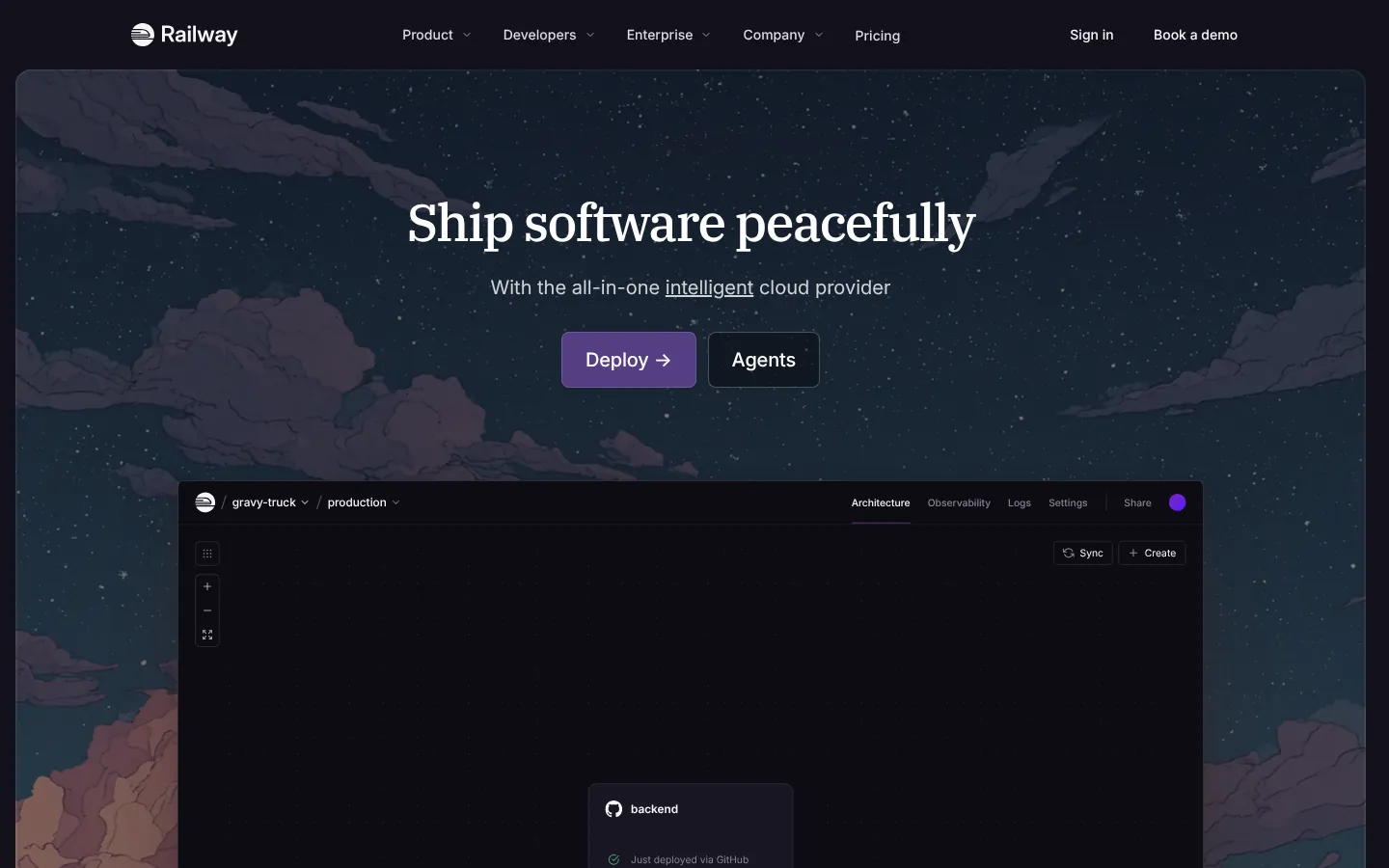
Railway's site is a good example of infrastructure company website design that maintains design quality without sacrificing technical credibility. The dark interface aesthetic, the deployment visualization in the hero, and the developer-friendly copy all communicate "built for engineers" without the cold, corporate feel of larger infrastructure companies. The pricing page is notably transparent. One of the better small-team infrastructure sites for scale and clarity.
Adapt this: Infrastructure products can have warm, human-scaled design without losing technical credibility.
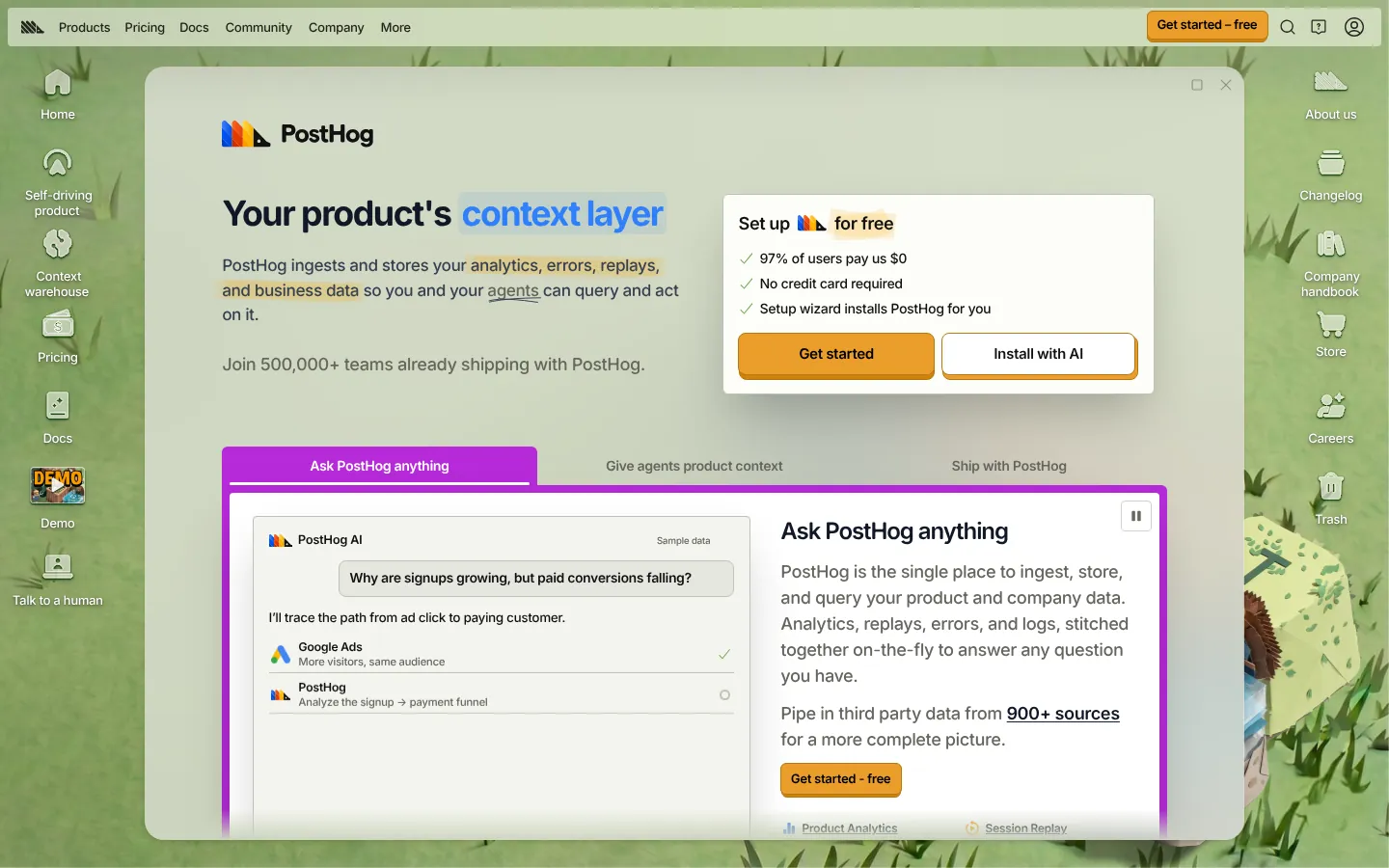
22. PostHog
Category: Data / Product analytics posthog.com
PostHog's website leans hard into the open-source positioning and it works. The design has more personality than most analytics tools — hedgehog mascot included — but the technical content is comprehensive: documentation, feature lists, and pricing are all prominent and navigable. The "build in public" transparency extends to the website itself, where roadmaps and changelogs are accessible. It's a strong reference for developer-tool companies wondering how much personality is too much.
Adapt this: Mascots and brand personality work when the underlying technical content is strong enough to earn the trust they require.
23. Plausible
Category: Data / Privacy-focused analytics plausible.io
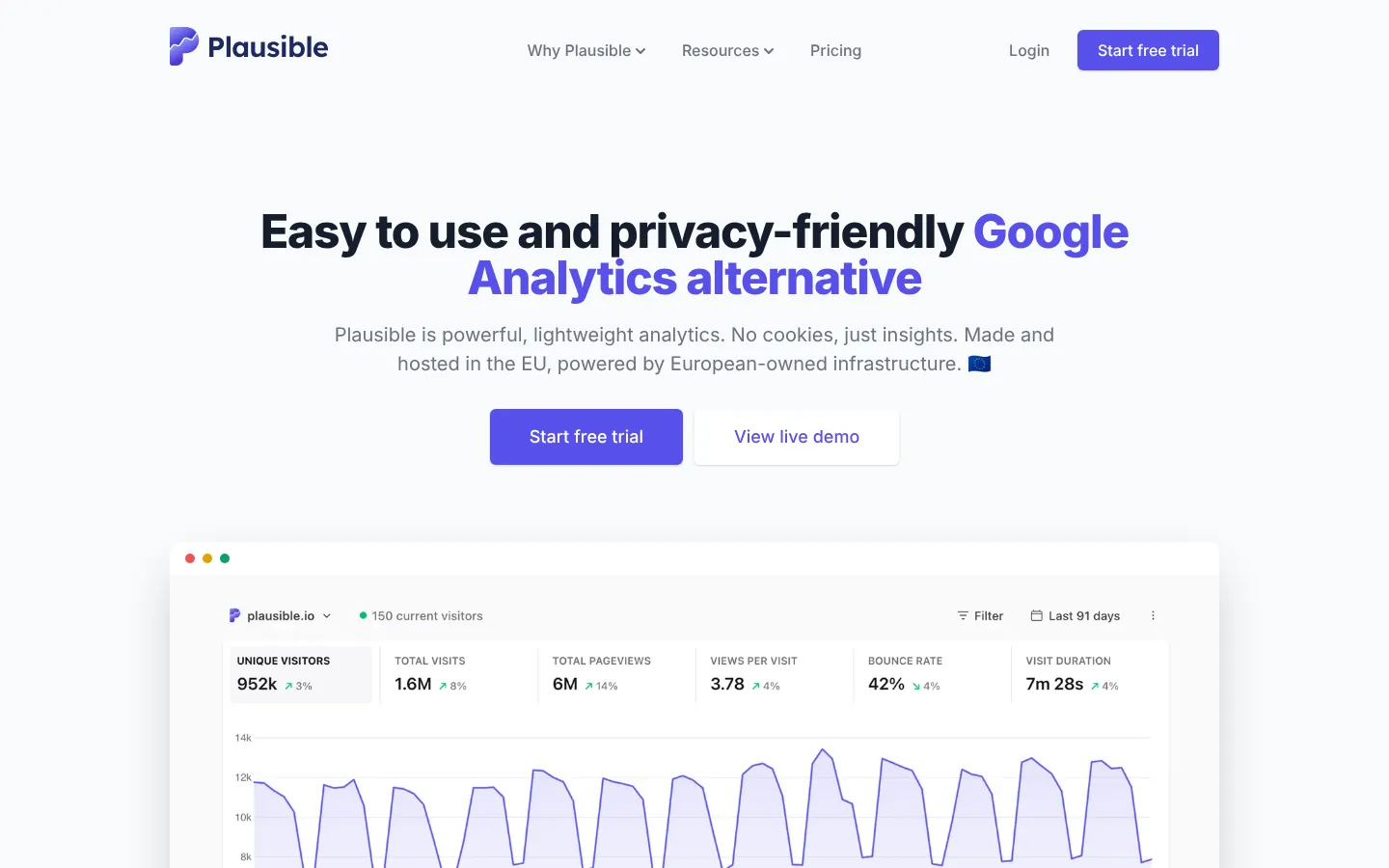
Plausible's website is a masterclass in positioning through contrast. Every design choice communicates "the opposite of Google Analytics": simpler interface, privacy-first, no cookie banners, transparent pricing. The site demonstrates its own product — Plausible's own analytics dashboard is publicly visible on the site. The copy consistently names the problems with the incumbent and explains how Plausible addresses them specifically.
Adapt this: When your positioning is "the alternative to X," let the website make that argument explicitly and consistently.
24. Snowflake
Category: Data / Cloud data platform snowflake.com
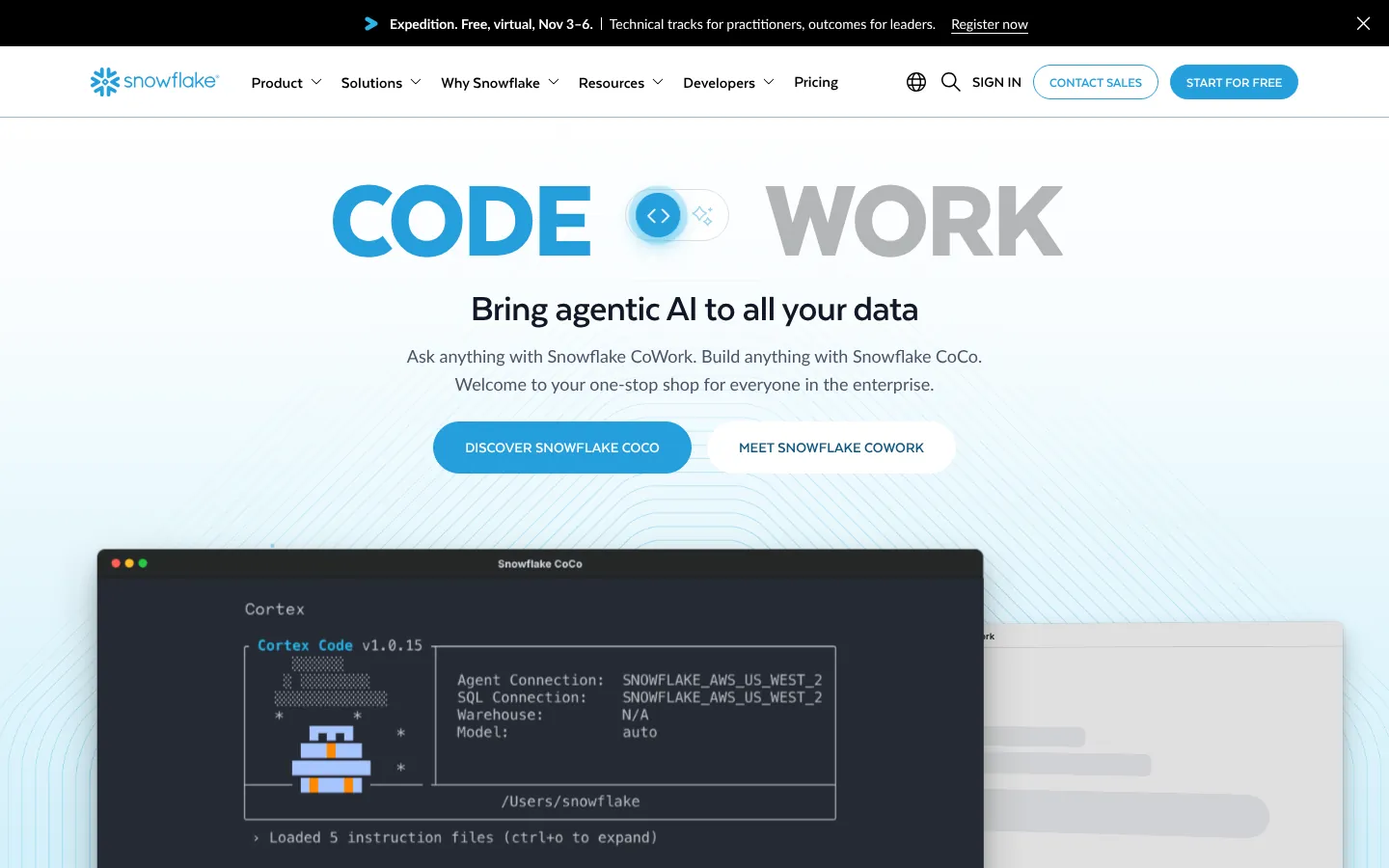
Snowflake's enterprise-scale website manages a complex product portfolio and a sophisticated enterprise buyer effectively. The design is more formal than many SaaS companies, which is appropriate for a platform that large organizations make multi-year commitments to. The customer case studies are detailed and named. The compliance and security documentation is prominent. It's a reference for enterprise data platform website design where trust and specificity matter more than visual experimentation.
Adapt this: For enterprise products with long procurement cycles, invest in case study depth rather than visual novelty.
25. Midjourney
Category: AI / Image generation midjourney.com
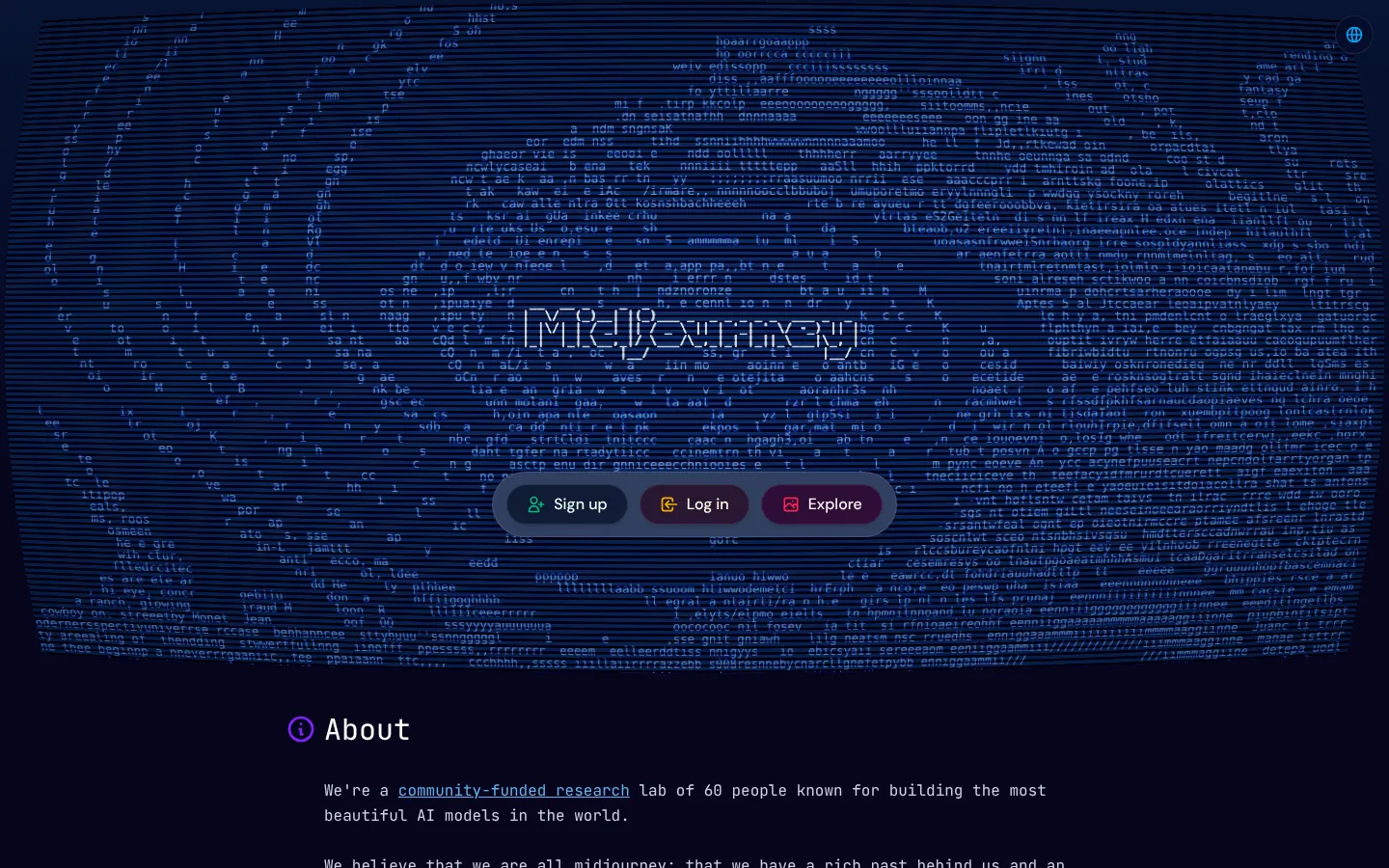
Midjourney's website takes an unconventional approach: relatively minimal marketing site, with the product primarily accessed through Discord. The homepage focuses on showcasing image quality rather than explaining features. The design is gallery-forward, which makes sense for a visual product. The near-absence of traditional marketing copy is itself a statement — the outputs do the selling. Unusual as a tech website design reference, but worth studying for how product quality can replace marketing volume.
Adapt this: If your product's output is visually compelling, build the marketing site around showcasing it.
26. Bluesky
Category: Social technology / Decentralized social bsky.app / blueskyweb.xyz
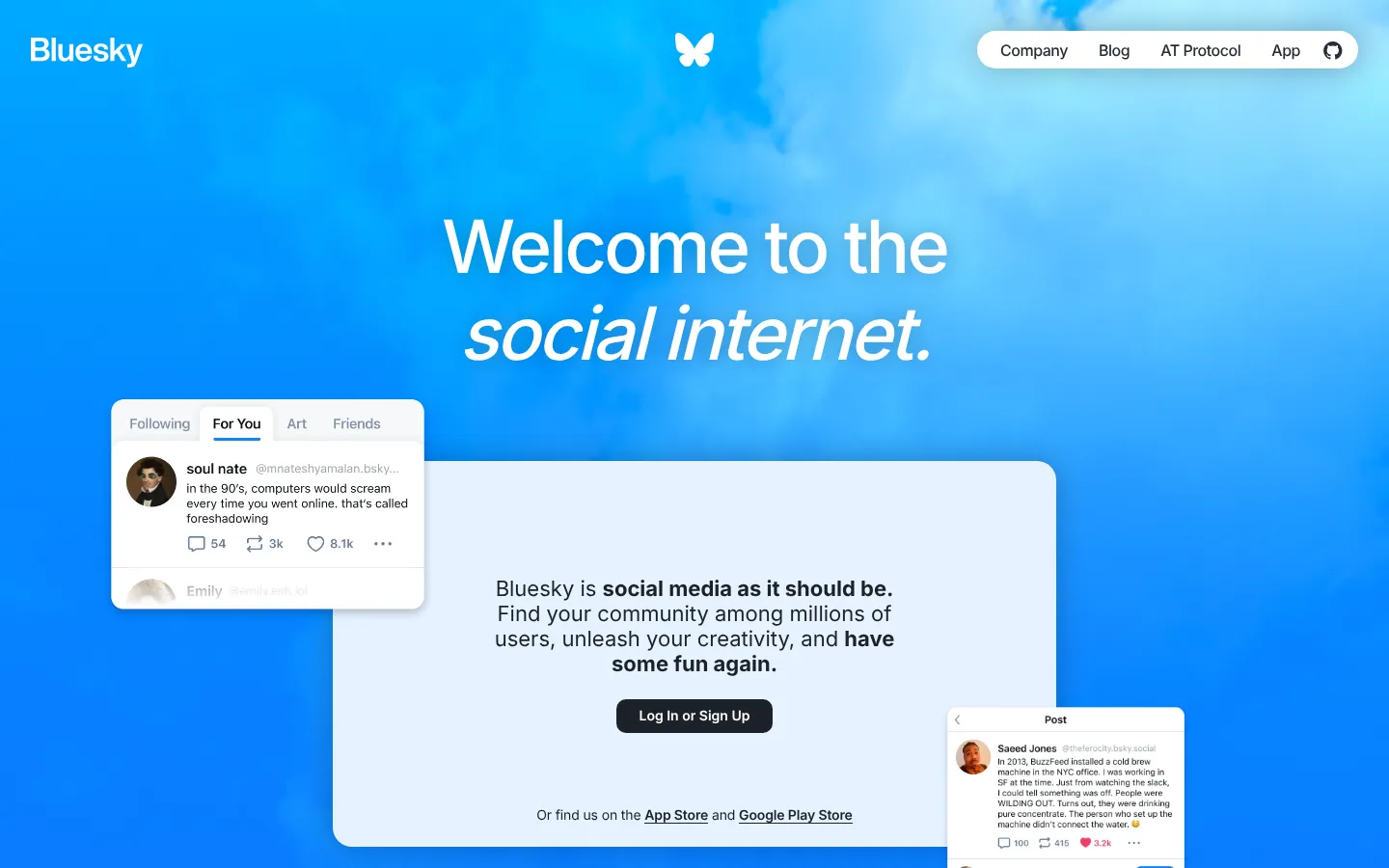
Bluesky's website communicates its decentralized, open-protocol positioning clearly without requiring a technical explanation of ActivityPub or AT Protocol. The design is cleaner and less corporate than legacy social platforms. The sign-up flow is prominent. For a social platform competing primarily on values (openness, interoperability, user control) rather than features, the website has to make those values legible immediately — and it does.
Adapt this: When your differentiator is values-based rather than feature-based, the design should communicate those values before the copy does.
27. Arc Browser
Category: Consumer technology / Browser arc.net
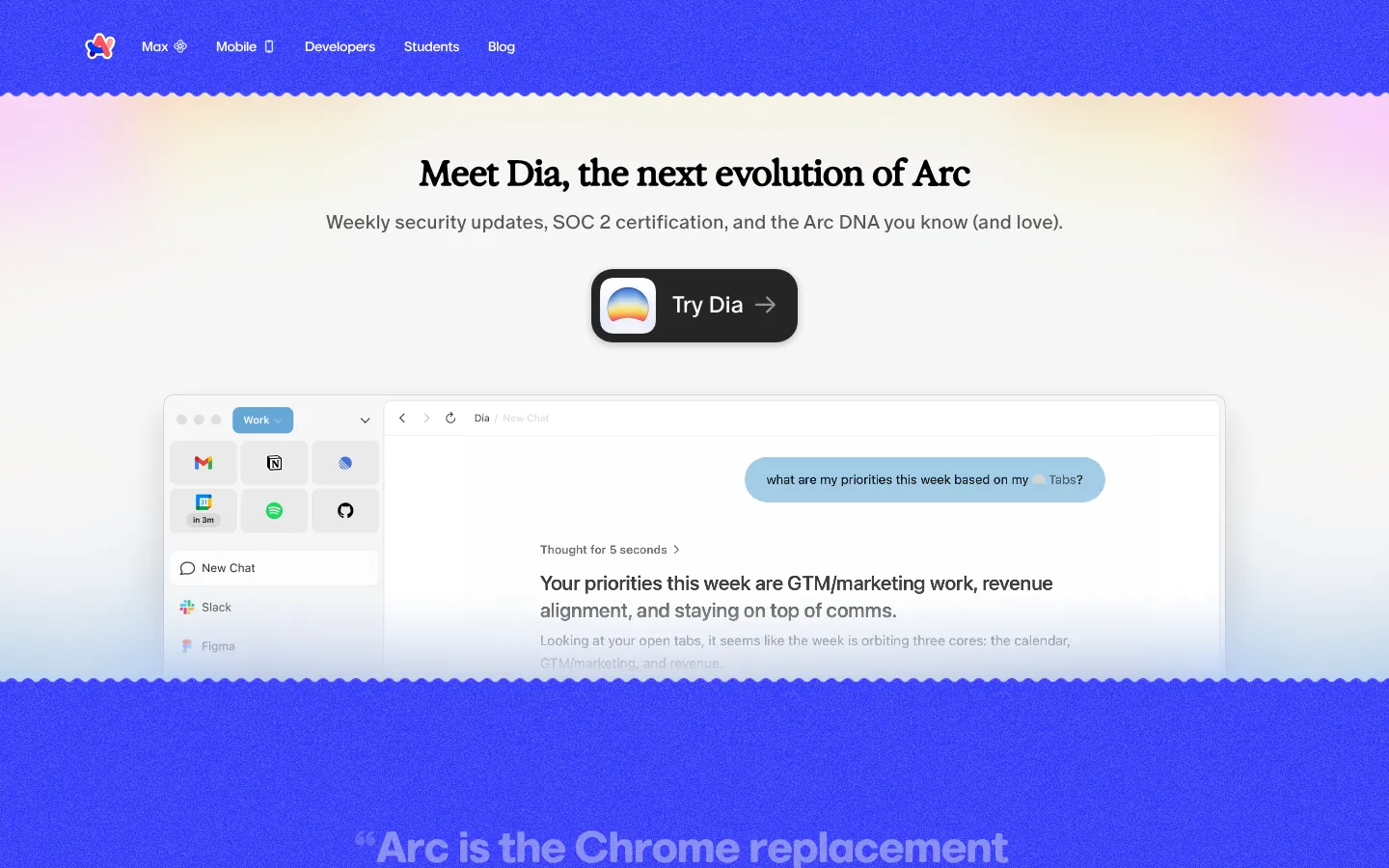
Arc Browser's website matches the product's ambition to reinvent a category most people thought was settled. The design is unusual for a browser — more consumer-product than enterprise software, more lifestyle than utility — which reflects the positioning accurately. The visual system is distinctive. The product is demonstrated through animated previews. For companies trying to create a new category or reframe an existing one, Arc's approach to tech website design is instructive.
Adapt this: If you're creating a new category, the website needs to communicate why the category needed reinventing before it explains what your product does.
28. Loom (Atlassian)
Category: SaaS / Async video communication loom.com
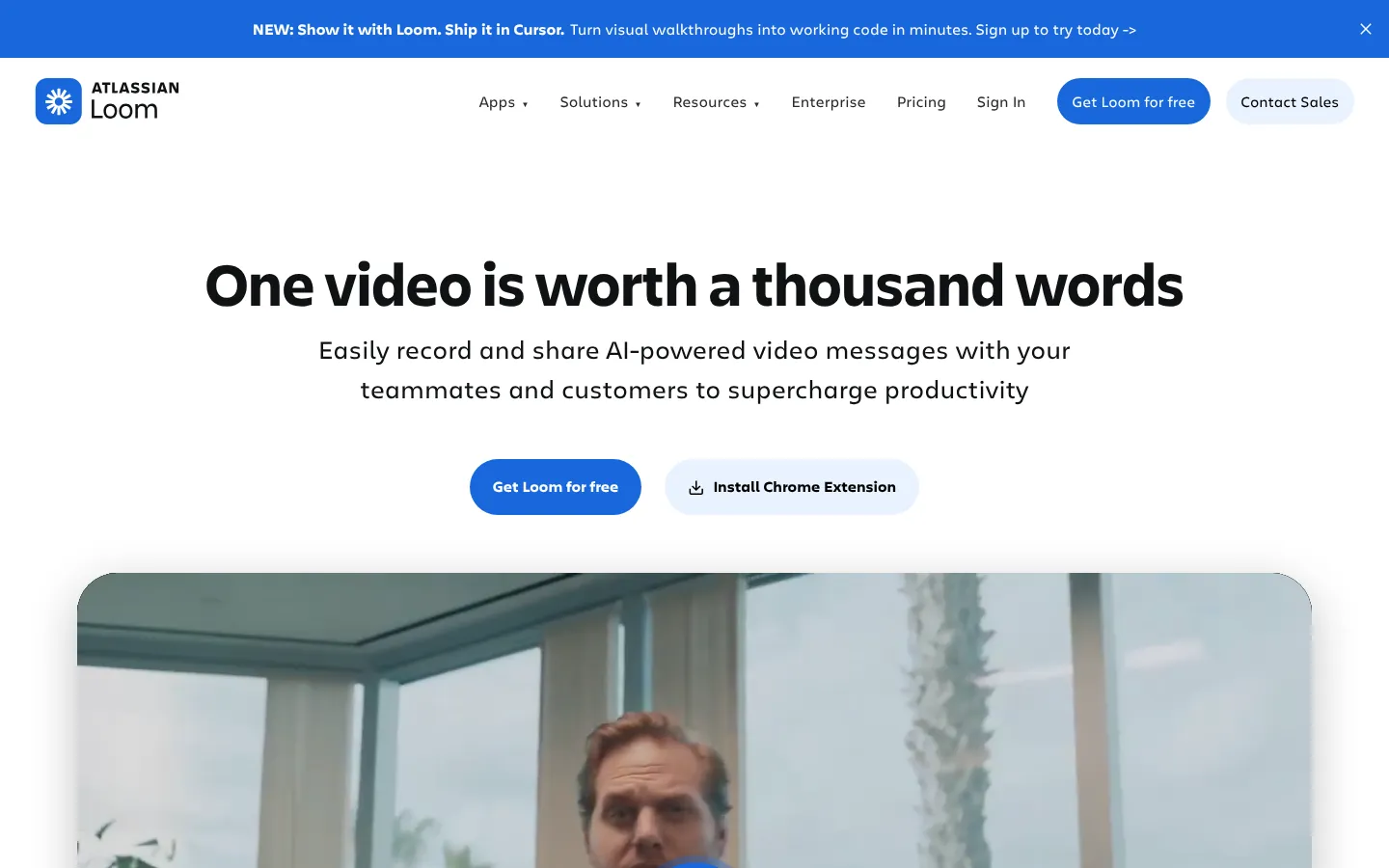
Loom's website is a strong reference for how async communication products demonstrate value. The hero includes embedded video examples — the product is present in the first second. The use cases are specific and professional: "replace this meeting," "review this code," "give this feedback." The pricing page is transparent. Since the Atlassian acquisition, the enterprise integration messaging has been added cleanly without disrupting the product's accessible, human tone.
Adapt this: Embed the actual product experience as early as possible in the page hierarchy.
29. Webflow
Category: SaaS / No-code web development webflow.com
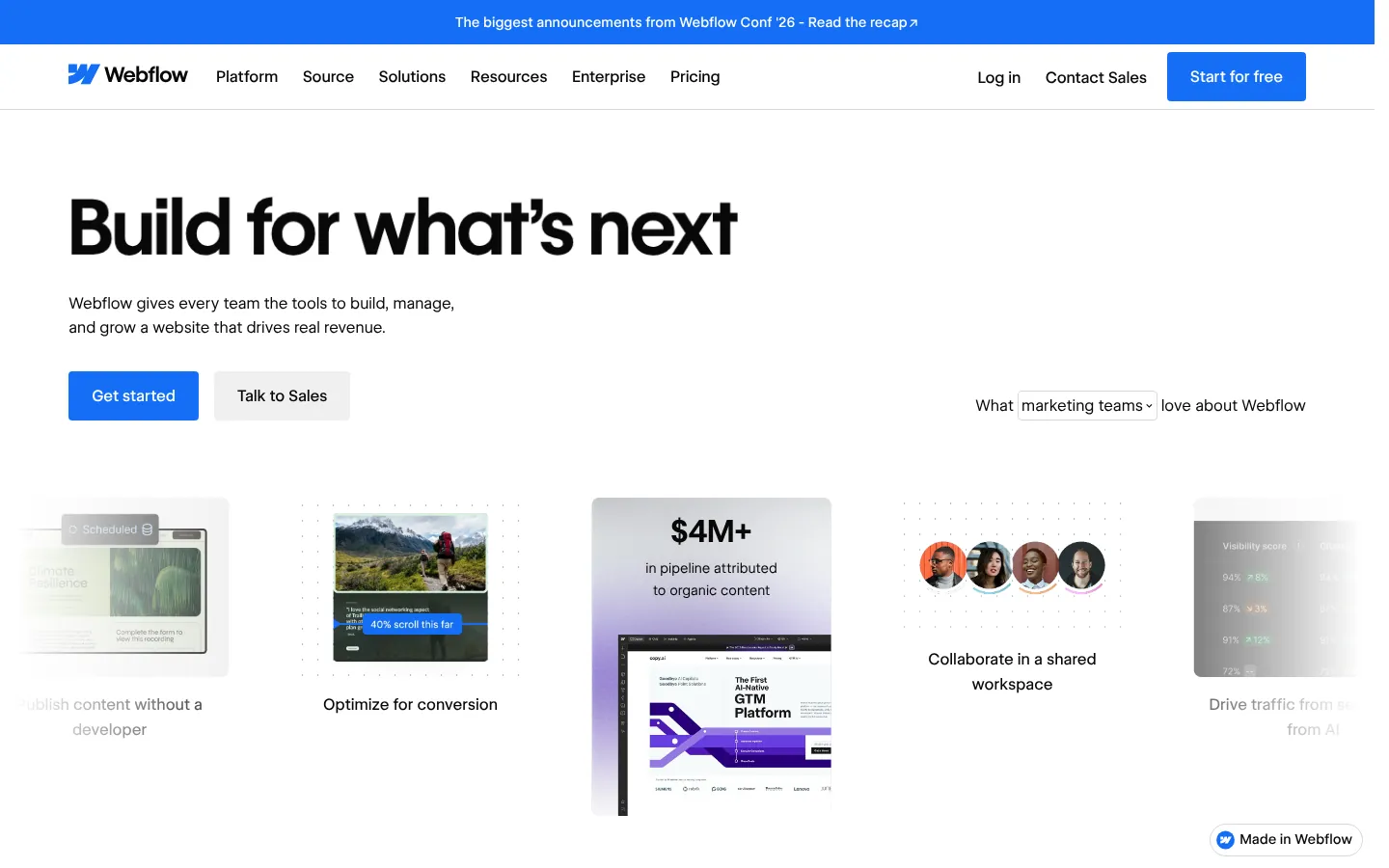
Webflow's website has to demonstrate design quality to an audience of professional designers — arguably the highest-scrutiny audience for web design for technology companies. It consistently does. The product examples are embedded throughout, the design system is visually distinctive, and the enterprise messaging is handled on a separate page that maintains brand coherence. The pricing architecture is complex but navigable. For no-code platforms, Webflow remains one of the cleaner execution references.
Adapt this: For products sold to design-literate buyers, every design choice in the marketing site is evaluated as evidence of product quality.
30. Descript
Category: SaaS / Audio and video editing descript.com
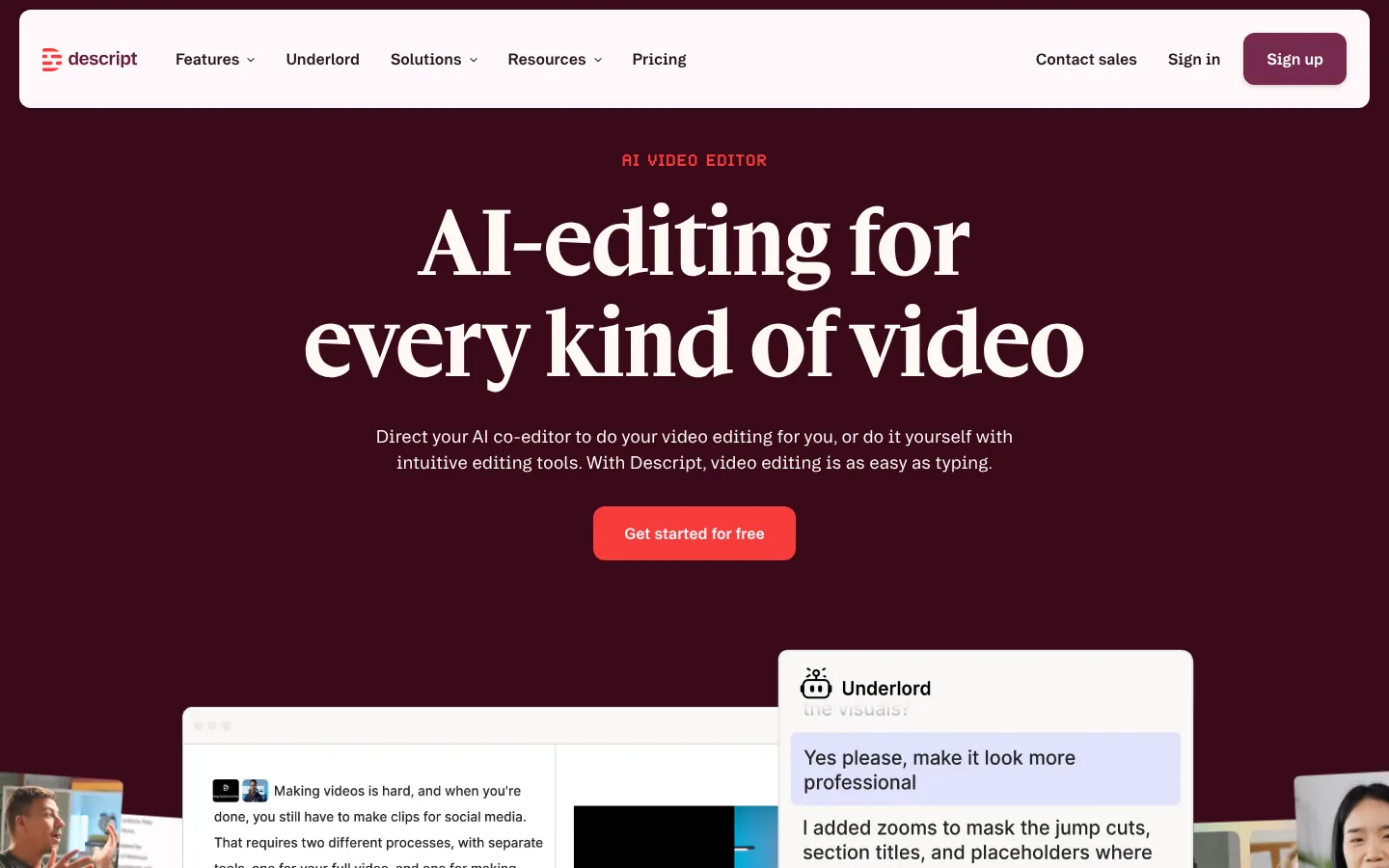
Descript closes this collection well because it illustrates how a complex product with multiple use cases can be presented clearly. The hero demonstrates the product interface. The use cases (podcasting, video editing, transcription, screen recording) are organized so that different visitor types can navigate to what's relevant without being overwhelmed. The product screenshots are genuinely informative rather than decorative. For multi-use-case SaaS products, Descript's information architecture is worth studying.
Adapt this: When your product serves multiple use cases, organize the website by user type, not by feature set.
Common Patterns Across Great Tech Websites
Looking across these 30 best tech company websites, several design patterns appear consistently in the sites that work.
Product-first heroes. The best tech website examples put the product — an interface screenshot, a terminal output, an animation of the workflow — in the hero or immediately below it. Stock photography of teams in offices and abstract geometric backgrounds have been replaced, in the best executions, by actual product visuals. This isn't an aesthetic preference; it's a conversion choice. Visitors who can see what they're evaluating convert better.
Logo-based social proof over testimonial quotes. Named enterprise customers presented as recognizable logos outperform testimonial quotes in most B2B technology contexts. Quotes require the visitor to evaluate the credibility of the person quoted. Logo blocks transfer credibility from companies the visitor already trusts. The best tech company website design treats the customer logo block as a primary trust mechanism, not a decorative section.
Documentation treated as a design surface. In developer-facing technology websites, the documentation is part of the product experience and therefore part of the brand. Companies that invest in beautiful, searchable, well-organized documentation — and make it accessible from the marketing site — are making a design statement about quality and care. The worst tech website designs treat documentation as an afterthought; the best treat it as a showpiece.
Pricing transparency as a trust signal. Transparent pricing pages, including self-serve tier details and honest feature comparisons, consistently appear in the technology website examples with the strongest conversion metrics. "Contact us for pricing" is a reasonable choice at enterprise scale, but using it as the only option for every tier signals that pricing is a negotiation and creates friction for technical buyers evaluating independently.
Dark mode as aesthetic alignment, not trend-following. The best dark-mode tech websites — Linear, Vercel, PlanetScale — use darkness purposefully: to create contrast for interface screenshots, to communicate that the product is built for focused work, or to align with the visual context where technical users spend their working hours. The worst use dark mode because it looks modern. The difference is visible in whether the design choices throughout the site are coherent with the mode selection.
Custom illustration that explains, not decorates. Abstract 3D shapes, floating orbs, and gradient blobs are visual noise at this point. The illustration work in strong technology websites serves a specific communicative function: showing how data flows, how components connect, how a workflow operates. Conceptual clarity through custom illustration is harder to execute than decorative illustration but produces significantly better engagement.
Common Mistakes in Tech Company Website Design
Generic tech imagery. Binary streams, circuit board patterns, abstract network visualizations, glowing blue grids: these have become category-generic to the point of invisibility. They communicate "technology" in the vaguest possible sense and differentiate nothing. Technology website examples that rely on these visuals are using design to avoid the harder work of explaining the product specifically.
Value proposition buried in marketing copy. "Empowering teams to do more with less" tells a visitor nothing. Headlines that lead with benefits rather than specifics delay the moment when a visitor understands what the product actually does. The best tech web design treats the headline as the most valuable real estate on the page and uses it to communicate a specific claim.
No product demonstration on the homepage. A marketing site that describes a software product without showing it is asking visitors to take a significant leap of faith. This is the most common and most consequential mistake in tech company website design. Interface screenshots, workflow animations, embedded demos: any of these reduces the cognitive effort required to evaluate whether the product might be relevant.
Competing calls to action in the hero. "Start free trial / Book a demo / Talk to sales / Watch video / See pricing" is not a CTA strategy; it's decision paralysis. The best technology website designs make a deliberate choice about the primary action they want visitors to take and subordinate everything else to it.
Designing for portfolio screenshots rather than conversion. A site that looks stunning in a full-page screenshot but confuses visitors in actual use has failed at its primary job. IT websites and technology company sites that win design awards on visual execution alone but underperform on conversion have optimized for the wrong metric.
How Much Does a Tech Website Redesign Cost?
Tech website design costs scale with scope — specifically, how much brand strategy work is included, whether product UI integration is required, and how many pages and content types need to be built or rebuilt.
For a seed-stage startup building or redesigning a marketing site without new brand work, the range is typically $15,000 to $40,000. This covers a well-designed landing page set — homepage, product pages, pricing, about — with a competent design and development execution. It assumes the brand identity exists and the content strategy is owned internally.
For a Series A or Series B company doing a comprehensive redesign that includes brand integration, content strategy, and a larger page count, the range moves to $40,000 to $120,000. At this level, the design work needs to hold up in enterprise sales contexts, align with product UI, and accommodate a growing content library. For a comprehensive branding cost breakdown that covers both brand and web design investment, the full guide has current ranges by project type.
For a full platform redesign — enterprise technology company, multiple product lines, product UI alignment, international considerations — the investment runs $150,000 and above. The cost drivers at this level are scope, stakeholder complexity, and implementation requirements rather than creative ambition.
Should You Work With a Specialized Agency?
The choice between a generic web agency, a specialized tech branding agency, and in-house design depends on what the website needs to do.
A generic web agency is a reasonable choice when the brand strategy and product positioning are already well-defined, the scope is primarily executional, and design quality rather than strategic depth is the primary requirement. The risk is that generic agencies may produce visually strong work that doesn't address the specific credibility and clarity requirements of tech audiences.
A specialized agency is worth the premium when the website needs to communicate a complex product clearly, align with enterprise sales requirements, integrate with a product design system, or differentiate within a visually converged technology category. The best tech branding agencies have built enough technology sector context to avoid the common mistakes that generalist agencies make in these engagements.
In-house design teams work well for ongoing execution and iteration once the brand system is established. They struggle with foundational work because internal teams often don't have enough comparative context — they've seen one company's website evolution, not dozens. Knowing how to choose the right branding agency for your specific situation helps set realistic expectations for what each type of partner can and can't deliver.
Frequently Asked Questions
What makes a good tech website? A good tech website communicates what the product does and why it matters within the first scroll, demonstrates the product visually rather than just describing it, and earns trust through specificity — named customers, compliance certifications, transparent pricing — rather than generic claims. Speed and performance are part of the design, not just the engineering.
How much does tech website design cost? For a seed-stage marketing site, $15,000 to $40,000 is a realistic range. For a comprehensive Series A or B redesign with brand integration, $40,000 to $120,000. For enterprise platform redesigns, $150,000 and above. The primary cost drivers are strategic scope, page count, and whether product UI integration is required.
What's the best CMS for tech company websites? Webflow is the most common choice for growth-stage tech companies that need design flexibility without engineering overhead. Next.js with a headless CMS (Contentful, Sanity) is preferred by companies with strong engineering teams that need more custom control. WordPress remains common for content-heavy sites. The right answer depends on who will maintain the site and what the technical requirements are.
How often should tech companies redesign their websites? A full redesign every three to four years is typical for growth-stage tech companies. More important than the redesign cycle is continuous iteration: testing headlines, updating product screenshots, adding customer proof, and improving conversion on high-traffic pages. A site that's iterated continuously will outperform one that's redesigned and left alone.
Should product screenshots be on the homepage? Yes, almost always. Product screenshots reduce the cognitive work required for a visitor to evaluate relevance. They also communicate design quality in a way that copy cannot. The exceptions are products that are too early to have a polished interface, or products where the interface is genuinely difficult to communicate through static screenshots, in which case animated demos are the better choice.
Who designs the best tech websites? The best tech website designs come from teams that understand both design craft and technology business context. That can be an internal design team with sector experience, a specialized tech branding agency, or occasionally a particularly well-matched generalist agency. What matters more than who does the work is whether they understand the specific persuasion problem a technology company's website needs to solve.
Redesigning Your Tech Website?
A tech website redesign usually means untangling brand, product, and content at the same time — three workstreams that need to be coherent but are often owned by different people. If you're scoping that work and want an outside perspective on where to start, we often help founders map it out before the design work begins.
Dmitry Komissarov
Founder
Brand and Website from 3–4 weeks
Metabrand is a startup branding agency working closely with founders and technology teams to bring ambitious ideas to life and give them the clarity, character, and presence they deserve.
Thank you! Your submission has been received!
Oops! Something went wrong while submitting the form.
Learn More
Next Reads for Visionary Founders. Still Curious? Dive Deeper.